I’m an empathetic girl, except when it comes to anyone who despises the taste of coffee.
Having perfected my at-home cup, I can’t fathom anyone disliking the warming flavors that incentivize me to leave my bed every morning. In fact, I’m convinced I could convert tea loyalists and energy drink lovers into coffee connoisseurs if they set aside their Folgers and tried quality beans.
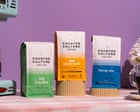
My journey to finding my favorite coffee started with the Starbucks Veranda blend I drank growing up. Then, one day, while browsing my local Whole Foods, I discovered Counter Culture Coffee, an independent specialty coffee brand. I was immediately hooked on its smooth, fresh blends that tasted like the iced coffees I would usually order from my favorite pricey cafes.
Quality aside, I appreciated that Counter Culture was a convenient, reliable option. Often on sale for $12-$16, I found it an accessible way to join the ranks of coffee snobs. While many coffee experts recommend purchasing from a local roaster, I often opt for the convenience of grabbing beans at the grocery store or online. They also offer two subscription options, delivering two bags to your doorstep for under $40 a month.
Counter CultureSingle-Origin Subscription (two bags)$27.30$27.30 at Counter Culture, originally $39 (with code SCHOOL)There’s a reason that specialty coffees often taste better than commercial blends. According to Dr Eric Brenner of Texas A&M’s agricultural department, specialty brands often roast beans light or medium to preserve their flavor profile, which is influenced by origin, elevation and soil.
“Think of a steak. If you buy a really good cut of steak, but you cook it well done, you’re basically cooking the flavor out of that steak. The same thing with coffee. Anything that was very nuanced from that coffee, where it’s from, if you roast too long, then all those characteristics disappear,” he said.
Light roasts have a higher caffeine content than most dark roasts. The roast type also affects your coffee’s flavor. Light roasts have higher acidity, while staying true to a bean’s flavor profile. Meanwhile, dark roasts often have a bolder, intense taste. And how you take your coffee may affect the roast you select: “Typically, most cafes would suggest that a slightly darker roast would be better suited to milk drinks because the acidity is lower in dark coffee, so the chance of splitting the milk is reduced,” Christopher Hendon, a professor of chemistry at the University of Oregon and the co-author of Water for Coffee, said.
I was sent samples of six of Counter Culture’s year-round blends, four single-origin bags and one limited-edition option. Over the past few months, I’ve used them to make iced coffee and hot drinks in my tried-and-true moka pot. I tried each without milk, ranking the flavor on a very scientific scale of one to five (I’m partial to light and medium roasts).
This is an extended excerpt aggregated from a public news feed. Continue to The Guardian for the complete article, photos, and any updates.
Read the full story at The GuardianOpens in a small window so you never lose your place on Wunderpath.

More in Lifestyle
Wunderpath aggregates public news feeds and does not claim ownership of third-party content. Full articles open on the original publisher's site.