
Yogyakarta
 Indonesia
Java's cultural soul, home to sultans, batik and ancient temples
Overview
Yogyakarta is the beating heart of Javanese culture, a special region still governed by a sultan and surrounded by the greatest temple complexes in Southeast Asia. Gamelan music, shadow puppetry and batik workshops are living traditions, not museum pieces. It is also Indonesia's biggest student city, which gives it a young, cheap and unusually creative feel. Volcanic Mount Merapi looms to the north and the Indian Ocean beaches lie an hour south. Costs are among the lowest in Asia for a city with this much going on.
Why Expats Love It
Extraordinary cultural depth, very low costs, a young creative scene and Borobudur on the doorstep.
Must Dos
The essential, top gem experiences for the full tourist experience.
Borobudur
The largest Buddhist monument on earth, a ninth century stone mandala best seen at sunrise.
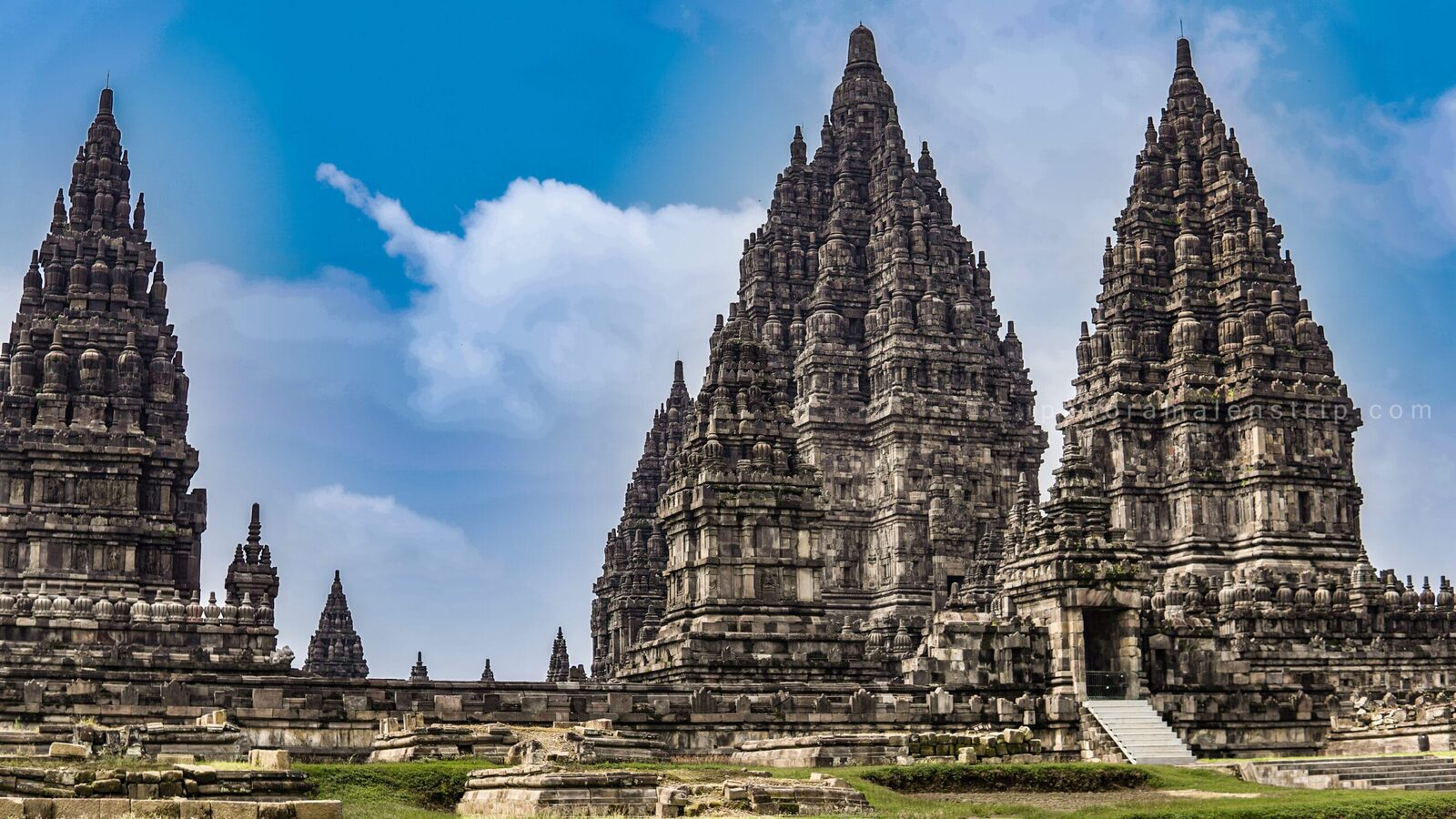
Prambanan
Towering Hindu temple spires from the same era, spectacular at sunset and during Ramayana ballet season.
Kraton and Taman Sari
The sultan's palace and the ruined water castle with its underground mosque.
Malioboro Street
The city's main artery for batik, street food and becak rides, chaotic and essential.
Batik Workshop
Learn wax resist dyeing from the artisans of Kampung Batik Giriloyo.
Wayang Kulit Performance
All night shadow puppet epics accompanied by full gamelan orchestra.
Off the Beaten Path
Live like a local. Special, lesser known experiences for adventurers who want real local flavor.
Kotagede
The old Mataram capital, now a quiet silversmithing quarter with an ancient mosque and royal tombs.
Jomblang Cave
Descend by rope into a collapsed doline where a shaft of light hits the cave floor at midday.
Timang Beach Gondola
A hand hauled cable basket to a lobster fishing rock over open surf.
Kalibiru and the Menoreh Hills
Ridge viewpoints over a reservoir, popular locally and almost unknown abroad.
Museum Ullen Sentalu
An exceptional private museum of Javanese royal culture on the slopes of Merapi.
Selopamioro Bamboo Bridge
A village crossing over the Oyo river, rebuilt by hand after every wet season.
Cost of Living
1-Bedroom Apartment (City Center)
$180/mo
3-Bedroom Apartment (City Center)
$420/mo
Restaurant Meal
$3
Monthly Groceries
$150/mo
Monthly Transportation
$25/mo
Monthly Healthcare
$50/mo
Climate
Tropical monsoon, hot year round with a wet season from November to April
Best Time to Visit
May to September for dry days and clear volcano views
Visa & Residency
Written for US citizens
Visa on arrival for 30 days is available to many nationalities and extendable once. Indonesia's E33G remote worker KITAS allows stays of up to one year for foreign employed remote earners meeting an income threshold.
These notes assume a US passport. If you hold a different nationality, your visa options and timelines may vary. Always confirm current rules with the official embassy or consulate before you commit.
Safety
Very low violent crime. Volcanic activity at Merapi, scooter accidents and strong ocean currents on the south coast are the real hazards.
Healthcare
Panti Rapih and Sardjito hospitals cover routine care well. Serious cases are usually flown to Jakarta or Singapore, so evacuation cover is advised.
Culture & Lifestyle
Culture
Javanese etiquette is subtle and indirect, prizing calm and politeness. Use the right hand, avoid raised voices and dress modestly near kratons and mosques.
Lifestyle
Cheap warung breakfasts, coworking near Prawirotaman, evening gamelan or a puppet show. Weekends mean sunrise at Borobudur, jeep tours on Merapi or the beaches of Gunungkidul.
Language
Indonesian and Javanese, with English in tourist and student areas
Currency
Indonesian Rupiah (IDR)
Timezone
WIB (UTC+7)