Wellington
 New Zealand
New Zealand's compact, creative capital, where craft coffee, film studios, harbor views, and wild wind define a city that punches far above its weight.
Overview
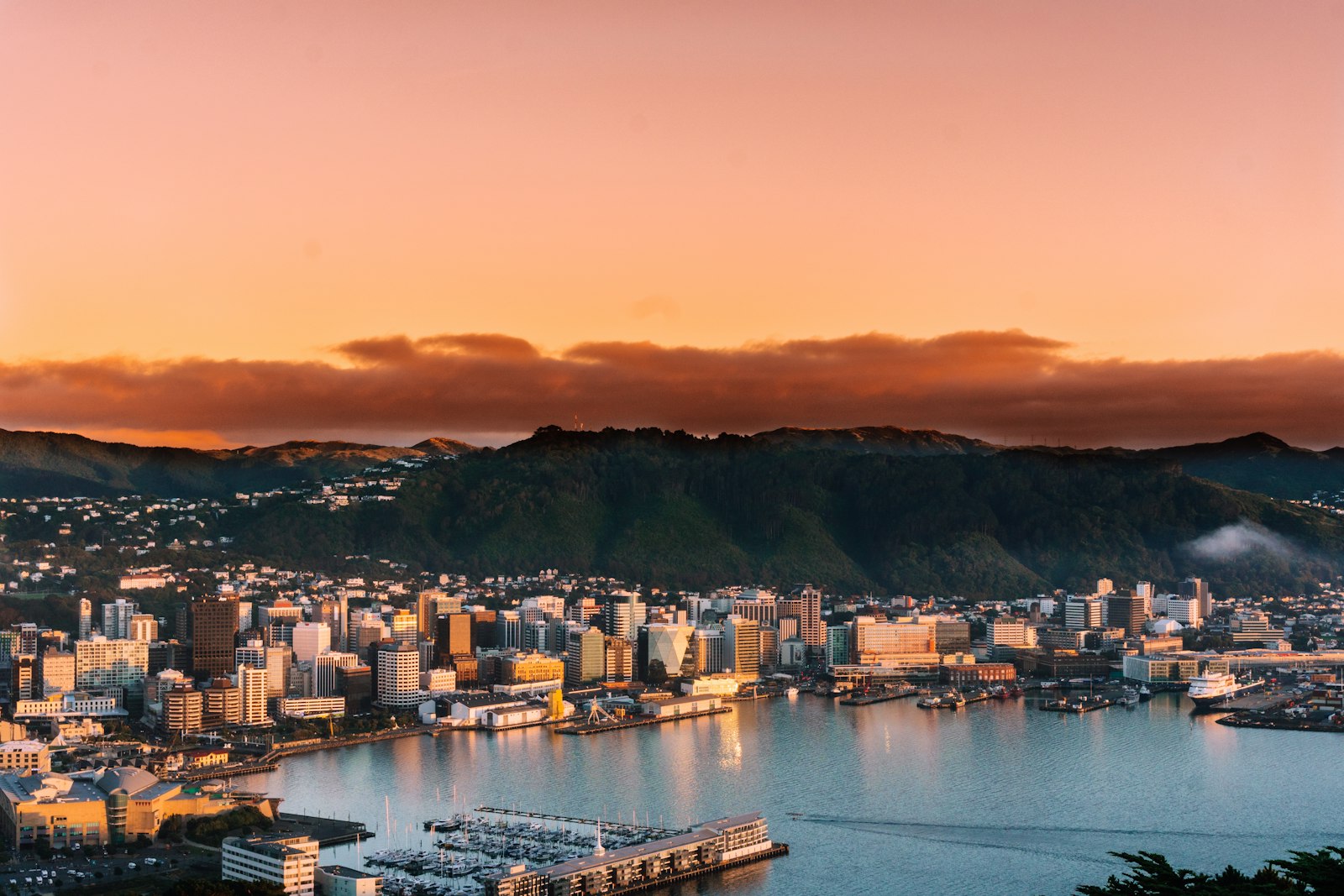
Wellington sits at the southern tip of New Zealand's North Island, wrapped around a harbor and backed by steep green hills. Despite being one of the world's smallest capital cities by population (about 215,000 in the urban core), it packs in a world-class food scene, thriving arts and film industry anchored by Weta Workshop and Peter Jackson's studios, excellent museums, and a cafe culture that rivals Melbourne. The city is famously windy, compact, and walkable, with a strong sense of community and civic pride. Neighborhoods like Cuba Street, Mount Victoria, Thorndon, and the waterfront each have distinct character.
Why Expats Love It
Expats love Wellington for its walkability, creative energy, craft food and coffee scene, proximity to nature, strong public services, film and tech job opportunities, and a city size that feels manageable and personal. The harbor and hills give daily life a visual drama rare in capital cities.
Must Dos
The essential, top gem experiences for the full tourist experience.
Te Papa Museum
Spend a few hours in Te Papa Tongarewa, New Zealand's national museum on the waterfront, for exhibits on Maori culture, natural history, art, and the Gallipoli exhibition. Admission is free.
Cuba Street
Walk Cuba Street for Wellington's signature bohemian strip of cafes, record stores, street performers, vintage shops, and the famous bucket fountain.
Wellington Cable Car
Ride the red cable car from Lambton Quay to the Kelburn lookout for harbor views, the cable car museum, and the Botanic Garden.
Mount Victoria Lookout
Walk or drive to the Mount Victoria summit for 360-degree views over the harbor, city, and airport runway, with planes landing seemingly at eye level.
Zealandia Ecosanctuary
Visit the fenced wildlife sanctuary in the hills for native birds including kaka, tuatara, and possibly a kiwi on the night tour.
Weta Workshop Tour
Tour the Weta Workshop and Weta Cave in Miramar for behind-the-scenes looks at the special effects and prop-making from Lord of the Rings and other productions.
Off the Beaten Path
Live like a local. Special, lesser known experiences for adventurers who want real local flavor.
Red Rocks Coastal Walk
Walk south from Owhiro Bay along the wild coast to Red Rocks, where a fur seal colony hauls out between May and October.
Harbourside Market Sunday
Browse the Sunday Harbourside Market on the waterfront for local produce, baked goods, street food, and coffee with views across the harbor.
Makara Beach and Wind Farm
Drive to Makara Beach on the wild west coast for black sand, big waves, and a walk up to the West Wind turbines overlooking Cook Strait.
Aro Valley Community
Explore the Aro Valley, a small residential neighborhood between the city and the Town Belt, known for its community garden, local dairy, and village atmosphere.
City Gallery Wellington
Visit City Gallery in Civic Square for contemporary art exhibitions in a striking art deco building.
Matiu/Somes Island Ferry
Take the harbor ferry to Matiu/Somes Island for a predator-free wildlife sanctuary, WWII gun emplacements, and views back to the city from the harbor.
Cost of Living
1-Bedroom Apartment (City Center)
$1200/mo
3-Bedroom Apartment (City Center)
$2100/mo
Restaurant Meal
$20
Monthly Groceries
$380/mo
Monthly Transportation
$75/mo
Monthly Healthcare
$70/mo
Climate
Wellington has a temperate maritime climate. Summers are mild and pleasant, averaging 18 to 22 C. Winters are cool, around 6 to 12 C, with occasional frosts. Wind is a constant and defining feature. Rain is frequent but usually light.
Best Time to Visit
December to March
Visa & Residency
Written for US citizens
Americans can visit New Zealand for up to 90 days using a NZeTA. For longer stays, skilled migrant visas, essential skills work visas, and working holiday visas are available. Wellington's tech and creative sectors sponsor work visas.
These notes assume a US passport. If you hold a different nationality, your visa options and timelines may vary. Always confirm current rules with the official embassy or consulate before you commit.
Safety
Wellington is very safe, with low crime rates. The main practical risks are strong winds (especially around the waterfront and on exposed ridgelines) and earthquake preparedness, as the city sits on active fault lines.
Healthcare
Wellington has Wellington Regional Hospital and several medical centers. New Zealand's public healthcare system covers emergency and essential care for residents. Private insurance provides faster specialist access.
Culture & Lifestyle
Culture
Wellington's culture is creative, progressive, and community-driven. The city values arts, film, music, and independent business. Maori culture is present in public institutions, place names, and events. The cafe and bar scene is central to social life, and locals take pride in knowing their barista by name.
Lifestyle
Daily life in Wellington is walkable, wind-swept, and cafe-fueled. Mornings start with flat whites, work happens in offices or coworking spaces around the CBD, and evenings bring craft beer on Cuba Street or dinner overlooking the harbor. Weekends feature hill walks, Zealandia sanctuary visits, trips to the Wairarapa wine region, and browsing the Harbourside Market. The film and tech communities create a creative undercurrent throughout the city.
Language
English, with Maori as a co-official language
Currency
New Zealand Dollar (NZD)
Timezone
NZST (UTC+12)