
Vienna
 Austria
Imperial elegance with a modern remote-work rhythm
Overview
Vienna is Austria’s clear top choice for expats and digital nomads, combining world-class public services, beautiful historic architecture, and a calm, highly livable urban pace. The city stretches along the Danube and balances grand imperial landmarks with leafy neighborhoods, efficient transit, and a strong cafe culture that actually supports daily life. It is clean, organized, and culturally rich, yet it still feels manageable compared with larger European capitals. For Americans relocating abroad, Vienna offers a rare mix of safety, stability, and everyday comfort.
Why Expats Love It
Expats choose Vienna because daily life works extremely well, from trains that run on time to reliable healthcare, bike paths, and well-maintained parks. Digital nomads like the central European location, strong internet, and the ability to build a routine in neighborhoods like Neubau, Mariahilf, and Leopoldstadt while still enjoying a deep arts and food scene.
Must Dos
The essential, top gem experiences for the full tourist experience.
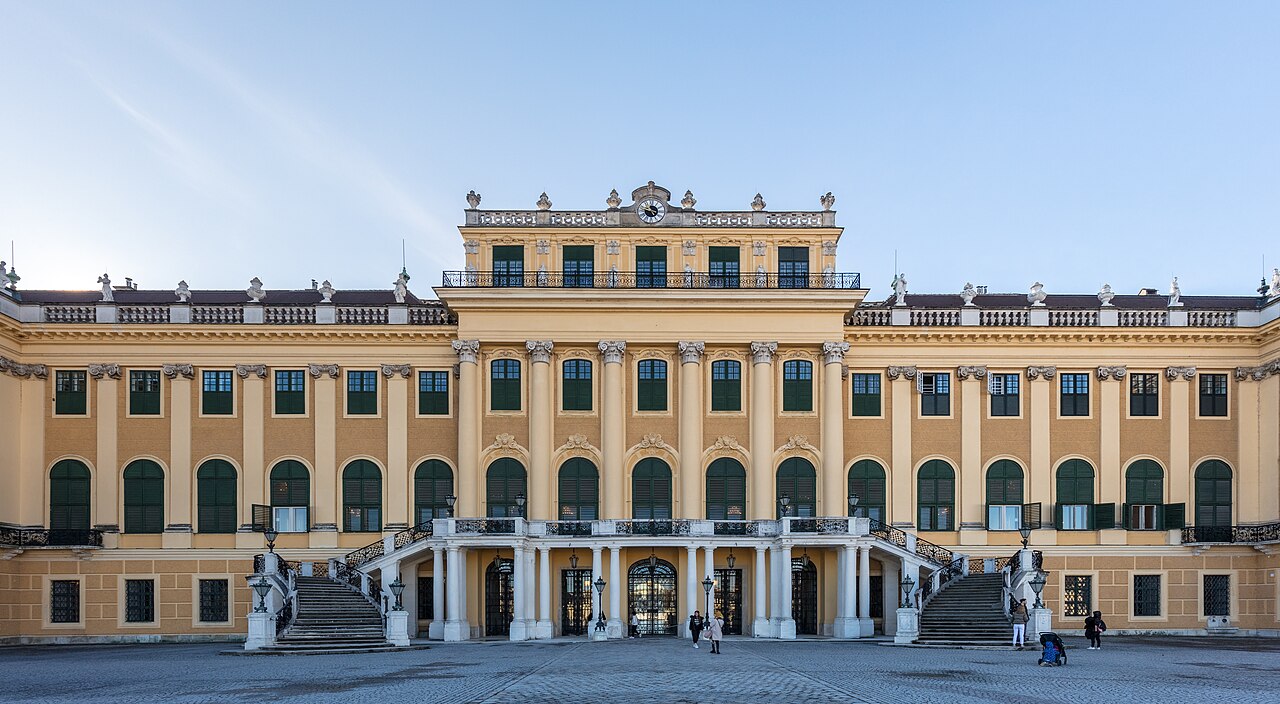
Schonnbrunn Palace
Tour the imperial rooms at Schloss Schonbrunn, then walk up to the Gloriette for one of the best views over Vienna. The palace gardens are worth time on their own.
St. Stephen's Cathedral
Visit Stephansdom in the heart of the Innere Stadt, climb the tower, and look closely at the patterned tile roof. The surrounding streets are some of the city’s most atmospheric.
Belvedere Masterpieces
See Gustav Klimt’s The Kiss at the Upper Belvedere, then spend time in the baroque gardens between the Upper and Lower Belvedere. It is one of Vienna’s signature art experiences.
State Opera Night
Catch a performance at the Wiener Staatsoper, one of the world’s great opera houses. Even if you do not book a full seat, standing-room tickets can make it surprisingly accessible.
Naschmarkt Wander
Browse Vienna’s best-known market for produce, spices, snacks, and casual restaurants, then explore nearby Freihausviertel. Go hungry and take your time.
Danube Island Day
Spend a sunny afternoon on Donauinsel swimming, biking, or relaxing by the water. It shows off Vienna’s outdoor side beyond the imperial center.
Off the Beaten Path
Live like a local. Special, lesser known experiences for adventurers who want real local flavor.
Karmelitermarkt Morning
Head to Karmelitermarkt in Leopoldstadt for a more neighborhood feel than Naschmarkt. Grab breakfast or coffee and watch local life unfold around the small square.
Setagaya Park
Visit this quiet Japanese garden in Dobling for a peaceful break from the city center. It is especially lovely in spring and early fall.
Brunnenmarkt Stroll
Explore Brunnenmarkt in Ottakring, one of Vienna’s most local and multicultural street markets. Come for produce, Turkish bakeries, and a less polished, more lived-in side of the city.
Zentralfriedhof Walk
Vienna’s Central Cemetery is unexpectedly fascinating, with monumental graves, musicians’ memorials, and huge tree-lined paths. It feels like a history lesson and a park at the same time.
Nussberg Heuriger Trail
Take the tram north and walk the vineyard paths around Nussberg above Grinzing. Stop at a seasonal heuriger for local wine and wide views over the city.
Augarten Evenings
Spend time in Augarten, a grand but often calmer park in Leopoldstadt with old flak towers, formal avenues, and nearby residential streets. It is a good place to see how locals actually unwind.
Cost of Living
1-Bedroom Apartment (City Center)
$1450/mo
3-Bedroom Apartment (City Center)
$2550/mo
Restaurant Meal
$24
Monthly Groceries
$380/mo
Monthly Transportation
$57/mo
Monthly Healthcare
$180/mo
Climate
Vienna has four distinct seasons, with cold gray winters, warm summers, and pleasant spring and fall periods. Summer can get quite warm, but the city’s parks, outdoor pools, and Danube waterfront help a lot.
Best Time to Visit
April to June, or September to October
Visa & Residency
Written for US citizens
US passport holders can enter Austria and the Schengen Area visa-free for up to 90 days within any 180-day period for tourism or business meetings, but not to live long-term without the proper permit. For longer stays, Americans usually look at residence permits tied to work, study, family reunion, or financially independent residence. Austria does not have a simple digital nomad visa, so long-term remote workers need to check residence rules carefully before relocating.
These notes assume a US passport. If you hold a different nationality, your visa options and timelines may vary. Always confirm current rules with the official embassy or consulate before you commit.
Safety
Vienna is one of the safer major cities in Europe, with low violent crime and very good public order. Petty theft can happen in busy transit hubs, tourist areas, and Christmas markets, so keep an eye on bags and phones.
Healthcare
Austria has a high-quality healthcare system, and Vienna’s hospitals and specialists are among the best in the country. Expats staying longer typically need valid health insurance, and private coverage can help with faster access and English-speaking providers.
Culture & Lifestyle
Culture
Viennese culture values politeness, punctuality, and a bit of formality at first, especially in administrative or professional settings. Cafe culture is real here, and people often linger over coffee, newspapers, and conversation rather than rushing through meals.
Lifestyle
Life in Vienna feels balanced and civilized, with easy access to museums, classical music, green spaces, and weekend escapes to vineyards or nearby capitals like Bratislava and Budapest. It is better suited to people who value quality of life, structure, and culture over nonstop hustle.
Language
German
Currency
Euro (EUR)
Timezone
CET (UTC+1)