
Ulaanbaatar
 Mongolia
Steppe spirit, city grit, big sky energy
Overview
Ulaanbaatar is Mongolia’s capital and by far the country’s main hub for expats, diplomats, aid workers, entrepreneurs, and remote professionals. Set in a high valley along the Tuul River, it mixes Soviet-era blocks, modern glass towers, Buddhist monasteries, chaotic traffic, and easy access to the open steppe. It is not a polished nomad city in the Bali or Lisbon sense, but it offers the best infrastructure, international services, and community in Mongolia. If you want urban convenience with one of the world’s most distinctive landscapes just outside town, this is the place.
Why Expats Love It
Expats choose Ulaanbaatar because nearly all of Mongolia’s international schools, private hospitals, coworking options, embassies, and English-speaking services are concentrated here. Digital nomads who are comfortable with a rougher-edge environment love the city’s low costs by global standards, memorable cultural scene, and the fact that weekend trips to ger camps, national parks, and the steppe are incredibly easy.
Must Dos
The essential, top gem experiences for the full tourist experience.
Gandan Monastery
Visit Gandantegchinlen Monastery, the city’s most important active Buddhist center, and see the towering Migjid Janraisig statue. Go early for a quieter atmosphere and the sound of morning prayers.
Sukhbaatar Square
Stand in the city’s political heart, framed by the Government Palace and broad open space used for ceremonies and public events. It is the best place to get your bearings in central Ulaanbaatar.
National Museum Visit
Explore the National Museum of Mongolia for a sharp introduction to Mongol Empire history, traditional clothing, and nomadic culture. It gives essential context before traveling anywhere else in the country.
Bogd Khan Palace
Tour the Winter Palace of the Bogd Khan, one of the most atmospheric historical sites in the capital. The complex preserves royal artifacts, Buddhist art, and a rare glimpse of pre-revolutionary Mongolia.
Zaisan Hill View
Climb the steps at Zaisan Memorial for one of the best panoramic views over Ulaanbaatar and the Tuul River valley. Sunset is especially striking when the surrounding hills glow gold.
Terelj Day Trip
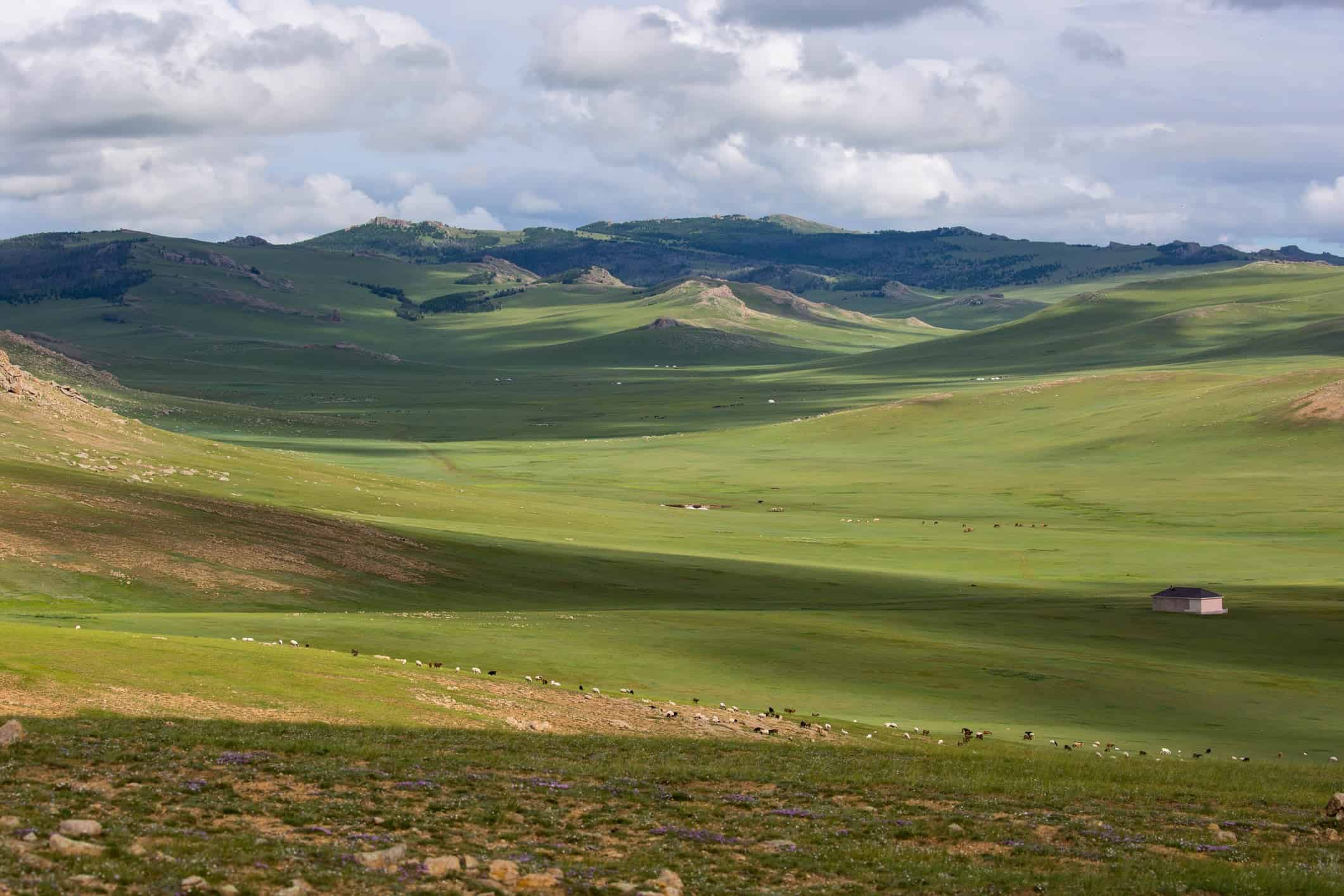
Take a trip to Gorkhi-Terelj National Park, where granite formations, ger camps, horseback riding, and big sky scenery begin not far from town. Pair it with the Chinggis Khaan Statue Complex on the way out.
Off the Beaten Path
Live like a local. Special, lesser known experiences for adventurers who want real local flavor.
Sansar Food Crawl
Wander the Sansar area east of downtown for casual Mongolian, Korean, and small local canteens where office workers eat. It feels more lived-in and everyday than the restaurant strips aimed at tourists.
Narantuul Market
Visit Narantuul, often called the Black Market, for everything from deels and saddles to tools, boots, and household goods. Go in daylight, keep valuables secure, and expect a raw but fascinating slice of city commerce.
Dunjingarav Evenings
Spend time around Dunjingarav shopping area to see how many middle-class locals actually socialize, shop, and eat after work. It is a useful contrast to the more international downtown core.
Ikh Tenger Walks
Head toward the Ikh Tenger side of south Ulaanbaatar for quieter roads, hillside views, and a glimpse of the city’s greener, more residential edge. It is especially pleasant in late spring and early autumn.
Sunday at Naran Tuul
Return to the market on a Sunday morning when local shoppers come for clothing, fabrics, and practical goods rather than souvenirs. Watching the bargaining and people flow tells you a lot about daily life.
Shangri-La Coffee Hours
Use the cafes around the Shangri-La and Olympic Street area as a soft landing into local expat life, where remote workers, NGO staff, and young Mongolians often overlap. It is one of the easier places to plug in and work for an afternoon.
Cost of Living
1-Bedroom Apartment (City Center)
$750/mo
3-Bedroom Apartment (City Center)
$1450/mo
Restaurant Meal
$12
Monthly Groceries
$220/mo
Monthly Transportation
$18/mo
Monthly Healthcare
$120/mo
Climate
Ulaanbaatar has a dry, extreme continental climate and is the coldest national capital in the world in winter. Summers are short, sunny, and pleasant, while winter is long, very cold, and often affected by severe air pollution.
Best Time to Visit
June to September
Visa & Residency
Written for US citizens
US passport holders can usually enter Mongolia visa-free for short tourist stays, but rules can change, so check with the Mongolian embassy before travel. For longer stays, expats typically need a work, investor, student, or other residence-linked visa sponsored by an employer or institution. Remote workers planning to stay beyond a short visit should sort out immigration status in advance rather than rely on repeated entries.
These notes assume a US passport. If you hold a different nationality, your visa options and timelines may vary. Always confirm current rules with the official embassy or consulate before you commit.
Safety
Ulaanbaatar is generally safe for everyday life, though pickpocketing, drunk behavior, and petty theft can happen, especially around nightlife areas and crowded transport hubs. Winter brings non-crime risks such as icy streets, extreme cold, and heavy air pollution.
Healthcare
Ulaanbaatar has the country’s best private clinics and hospitals, and many expats use them for routine treatment and diagnostics. For complex conditions or major procedures, some residents still prefer evacuation or treatment in South Korea, China, or Thailand.
Culture & Lifestyle
Culture
Hospitality is deeply valued in Mongolian culture, and you will often find people warm, curious, and generous once introductions are made. Respect for elders, Buddhist traditions, and nomadic heritage matters, and it is polite to be observant in homes, monasteries, and at shared meals.
Lifestyle
Life in Ulaanbaatar is urban but rugged, with good coffee shops, Korean and Mongolian food, bars, malls, and fitness clubs balanced against traffic, harsh winters, and unreliable air quality. The big reward is how quickly city life gives way to national parks, horse country, and wide-open landscapes.
Language
Mongolian, with some English spoken in central business, tourism, and expat settings
Currency
Mongolian tögrög (MNT)
Timezone
ULAT (UTC+8)