
Tunis
 Tunisia
Mediterranean grit, jasmine nights
Overview
Tunis is the best all-around base in Tunisia for expats and digital nomads because it combines the country’s biggest job market, best services, and easiest international connections. The city blends a UNESCO-listed medina, elegant French colonial avenues, and leafy northern suburbs that roll toward the coast. Daily life is affordable by American standards, and you can move between historic souks, modern cafes, beach districts, and major archaeological sites without leaving greater Tunis. It is not polished in every corner, but it is lively, social, and far more layered than many first-time visitors expect.
Why Expats Love It
Expats choose Tunis for practical reasons first, reliable flight links, good private healthcare, strong banking and telecom options, and the widest choice of neighborhoods from central Lafayette to seaside La Marsa. Digital nomads like having coworking-friendly cafes, French and Arabic widely spoken, and easy weekend escapes to Sidi Bou Said, Carthage, and the Cap Bon coast. Compared with many Mediterranean capitals, it still offers a relatively low cost of living.
Must Dos
The essential, top gem experiences for the full tourist experience.
Medina Maze
Wander the UNESCO-listed Medina of Tunis, entering through Bab Bhar and exploring souks, courtyard houses, and the Zitouna Mosque area with time to stop for pastries and mint tea.
Bardo Museum
Visit the National Bardo Museum to see one of North Africa’s finest Roman mosaic collections, housed in a former beylical palace west of central Tunis.
Carthage Ruins
Spend half a day among the archaeological remains of Carthage, especially the Antonine Baths, Byrsa Hill, and the Punic Ports scattered along the coast.
Sidi Bou Said Stroll
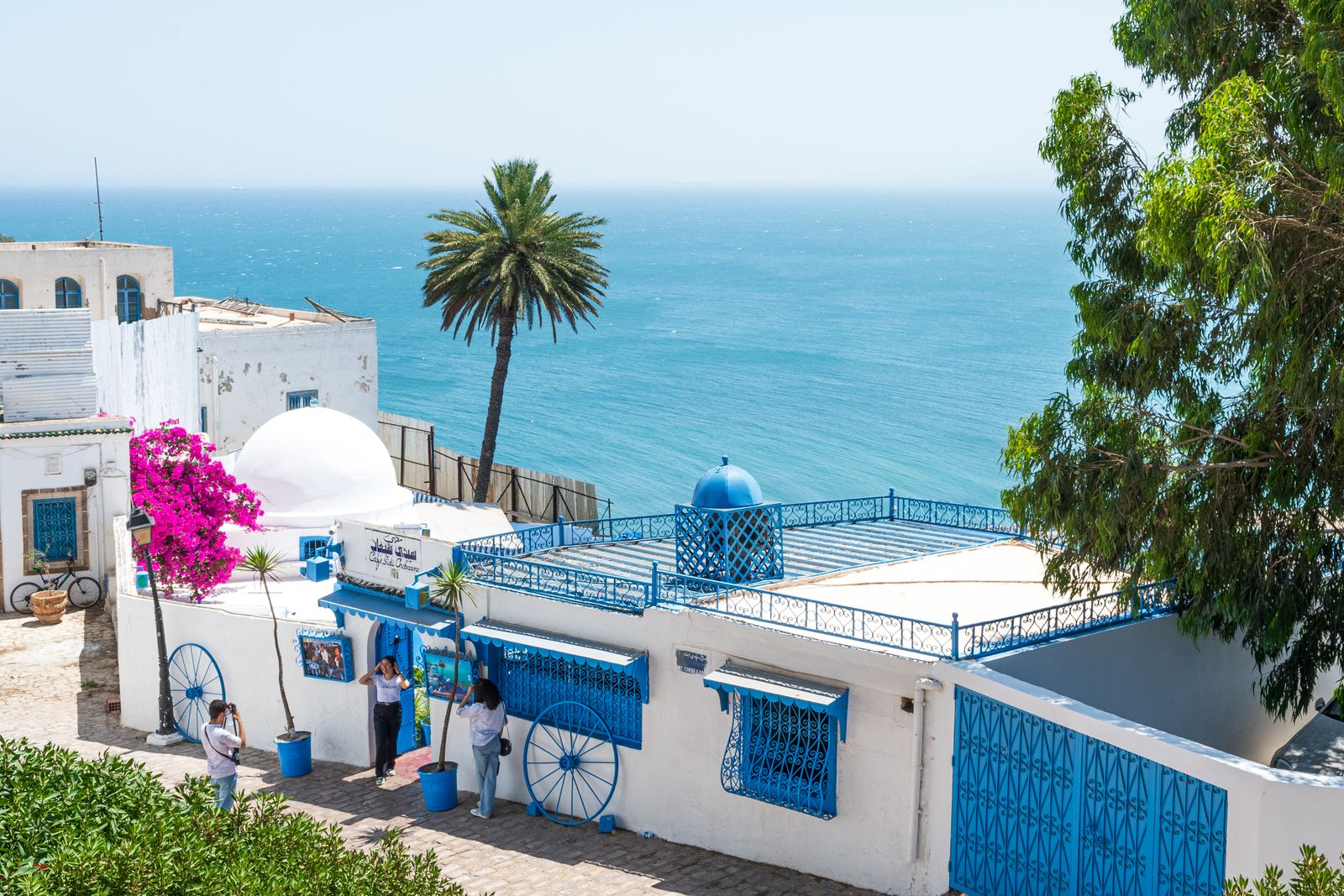
Walk the blue-and-white lanes of Sidi Bou Said, pausing at panoramic viewpoints above the Gulf of Tunis and classic cafe terraces near the main square.
Avenue Habib Bourguiba
Take in the city’s modern heart along Avenue Habib Bourguiba, where colonial facades, theaters, bookshops, and busy sidewalks show Tunis at its most civic and cosmopolitan.
La Marsa Seafront
End the day in La Marsa with a promenade by the water, seafood or brik at a local restaurant, and sunset light over the northern suburbs.
Off the Beaten Path
Live like a local. Special, lesser known experiences for adventurers who want real local flavor.
Belvedere Morning
Join locals for a walk in Belvedere Park, the city’s green lung, then grab coffee nearby in the Lafayette and Mutuelleville area before traffic peaks.
Halfaouine Eats
Explore Halfaouine for a more everyday side of Tunis, where neighborhood bakeries, street snacks, and old-city rhythms feel far from the polished seaside suburbs.
Marché Central Run
Shop at Marché Central near Avenue de Paris for fresh fish, produce, olives, and harissa ingredients, then watch how residents actually stock their kitchens.
La Goulette Seafood
Skip the obvious tourist stops and eat grilled fish in La Goulette, a port district with deep Italian and Jewish heritage and a more local seaside atmosphere.
Bhar Lazreg Evenings
Head to Bhar Lazreg after dark for casual cafes and restaurants popular with Tunisians from the northern suburbs, especially if you want contemporary local nightlife without the formal hotel scene.
Sidi Bou Said Backstreets
Leave the main tourist lane in Sidi Bou Said and wander the quieter residential steps and alleys above the rail line, where jasmine-scented courtyards and Gulf views feel much more intimate.
Cost of Living
1-Bedroom Apartment (City Center)
$420/mo
3-Bedroom Apartment (City Center)
$780/mo
Restaurant Meal
$12
Monthly Groceries
$180/mo
Monthly Transportation
$12/mo
Monthly Healthcare
$90/mo
Climate
Tunis has a Mediterranean climate, with hot dry summers and mild wetter winters. Summer days can feel intense in the city, while spring and autumn are comfortable and ideal for walking the medina and coastal suburbs.
Best Time to Visit
April to June, and September to November
Visa & Residency
Written for US citizens
US passport holders can typically enter Tunisia visa-free for stays up to 90 days for tourism, subject to passport validity and onward or return plans. For longer stays, expats usually need a residence permit tied to work, study, family reunification, or another approved basis, and bureaucracy can be slow. Rules can change, so confirm current entry and residency requirements with Tunisian authorities before travel.
These notes assume a US passport. If you hold a different nationality, your visa options and timelines may vary. Always confirm current rules with the official embassy or consulate before you commit.
Safety
Tunis is generally manageable for expats, especially in well-known neighborhoods and the northern suburbs, but petty theft, scams, and occasional harassment do happen. Stay alert in crowded transport hubs, follow current government travel advisories, and avoid protests or politically tense gatherings.
Healthcare
Private clinics and hospitals in Tunis are the best in the country and are the preferred option for most expats. Quality is generally solid for routine and specialist care, but serious complex cases may still lead some foreigners to seek treatment abroad.
Culture & Lifestyle
Culture
Tunis is socially mixed and more relaxed than many outsiders expect, but it is still a Muslim-majority city where modest dress and polite manners are appreciated, especially outside nightlife areas and beach districts. French is widely used in business and daily urban life, and even basic Arabic greetings go a long way.
Lifestyle
Life in Tunis can be as urban or as coastal as you want, with central districts for convenience and northern suburbs like La Marsa and Gammarth for sea air and cafe culture. Days often revolve around coffee, long meals, family rhythms, and late evenings, with beach trips and archaeological sites always close at hand.
Language
Tunisian Arabic, Modern Standard Arabic, French
Currency
Tunisian dinar (TND)
Timezone
CET (UTC+1)