
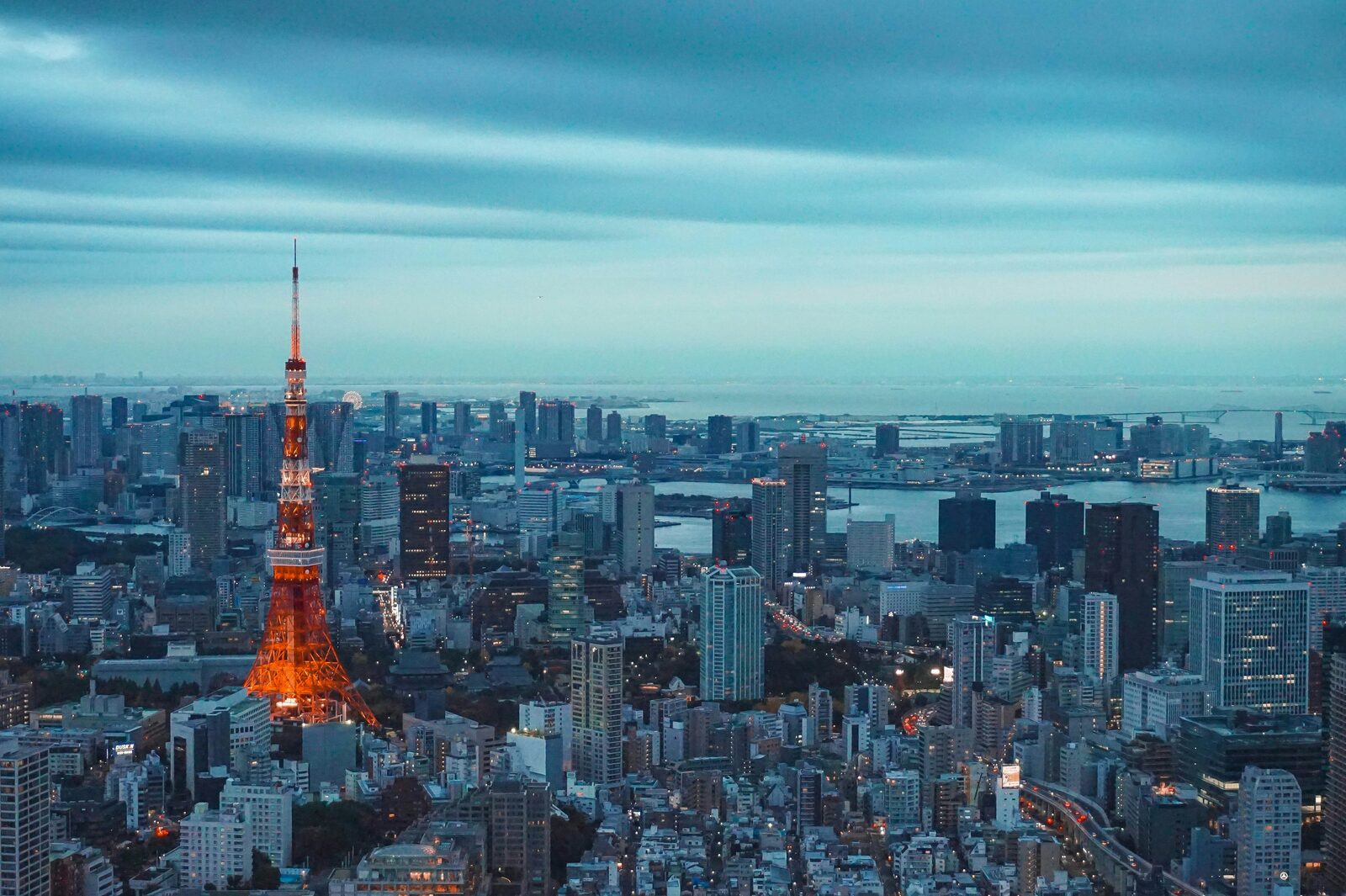
Tokyo
 Japan
Japan
Ultra convenient, clean, and endlessly interesting, Tokyo blends world class infrastructure with neighborhood level livability.
Overview
Tokyo is one of the world's largest and most efficient cities, yet daily life often feels highly organized, safe, and surprisingly neighborhood focused. Expats and digital nomads are drawn by excellent public transit, outstanding food, reliable services, and a deep mix of modern business culture and traditional Japanese life. The city offers everything from global corporate hubs like Marunouchi and Shibuya to quieter residential areas such as Setagaya and Kichijoji. While Tokyo is not a budget destination, many residents find the quality of life, convenience, and public safety justify the cost.
Why Expats Love It
People love Tokyo for its clean streets, punctual trains, low crime, superb dining, and near endless entertainment. It is also a major global business center with excellent healthcare, fast internet, and many distinct neighborhoods to match different lifestyles.
Must Dos
The essential, top gem experiences for the full tourist experience.
Shibuya Crossing at Night
Stand outside Shibuya Station by the Hachiko exit and watch the famous scramble flood with people under giant video screens. Then cross it yourself and head up to Shibuya Sky for a sweeping view over central Tokyo.
Senso ji and Nakamise
Start in Asakusa at Kaminarimon, then walk Nakamise shopping street for ningyo yaki and rice crackers before entering Senso ji, Tokyo's oldest temple. Go early in the morning for fewer crowds and a more atmospheric temple visit.
Meiji Jingu Forest Walk
Enter from Harajuku and stroll the broad forested paths to Meiji Jingu, a major Shinto shrine tucked inside Yoyogi's greenery. Pair it with a walk through nearby Yoyogi Park and the backstreets of Omotesando.
Tokyo Skytree Viewpoint
Ride up Tokyo Skytree in Sumida for one of the city's best panoramic views, especially striking at sunset or after dark. The surrounding Solamachi complex is handy for snacks, souvenirs, and riverfront walks.
Tsukiji Outer Market Breakfast
Skip the old wholesale auction and head to Tsukiji Outer Market for a fresh seafood breakfast, such as toro nigiri, tamagoyaki, or a kaisendon bowl. Arrive early and explore the narrow lanes packed with knife shops, seaweed sellers, and tiny counters.
Shinjuku After Dark
Experience Tokyo's neon intensity in Shinjuku, from the skyscraper district to Omoide Yokocho and the tiny bars of Golden Gai. It is the classic first timer night out, full of yakitori smoke, signboards, and late night energy.
Off the Beaten Path
Live like a local. Special, lesser known experiences for adventurers who want real local flavor.
Yanaka Ginza Wander
Explore Yanaka's old shitamachi atmosphere, where low rise streets, family shops, and snack stalls feel far removed from central Tokyo's towers. Stop for menchi katsu on Yanaka Ginza, then visit nearby Yanaka Cemetery and Nezu Shrine.
Kiyosumi Garden and Coffee
Spend a slow morning in Kiyosumi Shirakawa, a quieter east side neighborhood known for Kiyosumi Gardens and serious coffee culture. Try a pour over at Blue Bottle or one of the local roasters, then walk the canal lined backstreets.
Todoroki Ravine Walk
Walk the shaded Todoroki Valley in Setagaya, Tokyo's only true ravine, where a small stream, bamboo, and stone paths create a surprising pocket of nature. Visit Todoroki Fudoson temple at the end for a local neighborhood shrine stop.
Shimokitazawa Thrift Hunt
Browse the side streets of Shimokitazawa for vintage clothing, indie record shops, tiny theaters, and casual bars. It is one of the best neighborhoods to see Tokyo's youth culture beyond the big department store districts.
Ameyoko Under the Tracks
Duck into the gritty market lanes of Ameyoko between Ueno and Okachimachi for grilled skewers, cheap sneakers, dried seafood, and bargain chatter. The area feels local and busy, especially in the evening when people spill out from standing bars.
Monjayaki in Tsukishima
Go to Monja Street in Tsukishima and cook monjayaki at your table, a Tokyo specialty that is looser and more savory than okonomiyaki. Many long running local spots here serve classic fillings like mochi, mentaiko, and seafood.
Cost of Living
1-Bedroom Apartment (City Center)
$1200/mo
3-Bedroom Apartment (City Center)
$2500/mo
Restaurant Meal
$15
Monthly Groceries
$350/mo
Monthly Transportation
$75/mo
Monthly Healthcare
$60/mo
Climate
Tokyo has a humid subtropical climate with hot, humid summers and cool winters. Spring and autumn are generally the most comfortable, while June is often rainy and late summer can bring typhoons.
Best Time to Visit
March to May, October to November
Visa & Residency
Written for US citizens
Americans typically receive visa free short stay entry for up to 90 days for tourism and certain business activities, but this does not permit local employment. Japan does not currently offer a broad general digital nomad visa for ordinary remote workers, though it has introduced a limited digital nomad visa route for eligible high income remote workers from certain countries, subject to specific conditions and stay limits. Longer stays usually require a work visa, student visa, spouse visa, or business manager route.
These notes assume a US passport. If you hold a different nationality, your visa options and timelines may vary. Always confirm current rules with the official embassy or consulate before you commit.
Safety
Tokyo is one of the safest major cities in the world, with very low violent crime rates. Common issues are crowded train conditions, nightlife scams in some entertainment districts, and earthquake preparedness, so keep basic urban awareness.
Healthcare
Tokyo has excellent hospitals, clinics, and specialist care, with very high standards in both public and private facilities. Expats staying long term usually enroll in Japan's national health insurance system, which significantly reduces out of pocket costs, though English support varies by provider.
Culture & Lifestyle
Culture
Politeness, punctuality, and respect for shared spaces are central to daily life, and learning basic etiquette goes a long way. Expat communities are well established, but deeper social integration often improves significantly with some Japanese language ability.
Lifestyle
Daily life in Tokyo is fast, efficient, and convenience driven, with outstanding transit, late opening hours, and constant access to food, shopping, and services. At the same time, many residential areas feel quiet and orderly, with local cafes, parks, and small businesses creating a balanced routine.
Language
Japanese
Currency
Japanese Yen (JPY)
Timezone
JST (UTC+9)
Community Discussions
How much Japanese do you really need day to day?
Thinking about a longer stint in Tokyo. I hear mixed things: some say you can get by entirely in English in the central wards, others say daily life gets hard fast without basic Japanese. For errands, doctors, and dealing with city hall, how much do you actually need, and how did you learn the practical stuff?
You can survive on English in the center, but life gets dramatically smoother with even basic reading and set phrases. City hall and clinics are where the gap shows most, so learn that vocabulary first.
Renting an apartment without a guarantor, is it possible?
The Tokyo rental process is intimidating from abroad. Key money, guarantor requirements, agencies that will not deal with foreigners. Has anyone signed a lease recently without a Japanese guarantor, and did you use a guarantor company or a foreigner friendly agency? Trying to understand the real upfront costs before I commit.
Guarantor companies are now the norm and most agencies expect you to use one, so not having a personal guarantor is rarely a dealbreaker. Budget for the first month package: deposit, key money, agency fee and the guarantor fee stacked together.
There are agencies that specialize in foreign tenants and list in English. You pay a small premium but they smooth over the paperwork and the guarantor step.