
Thimphu
 Bhutan
Himalayan calm with a modern heartbeat.
Overview
Thimphu is Bhutan’s capital and the country’s most practical base for expats, remote workers, and long stay travelers. Set in a high valley along the Wang Chhu River, it blends government offices, monasteries, cafes, craft markets, and mountain views in a compact, walkable center. It is not a flashy city, but it offers the best mix of services, housing, internet access, and everyday convenience in Bhutan. For Americans looking for a gentle pace, clean air, and a culturally rich daily life, Thimphu is the strongest choice.
Why Expats Love It
Expats choose Thimphu because it has Bhutan’s best concentration of international organizations, embassies, cowork-friendly cafes, and higher quality apartments. It is also the easiest place in the country to arrange banking, longer stays, transport, and private medical care, while still feeling deeply Bhutanese and close to nature.
Must Dos
The essential, top gem experiences for the full tourist experience.
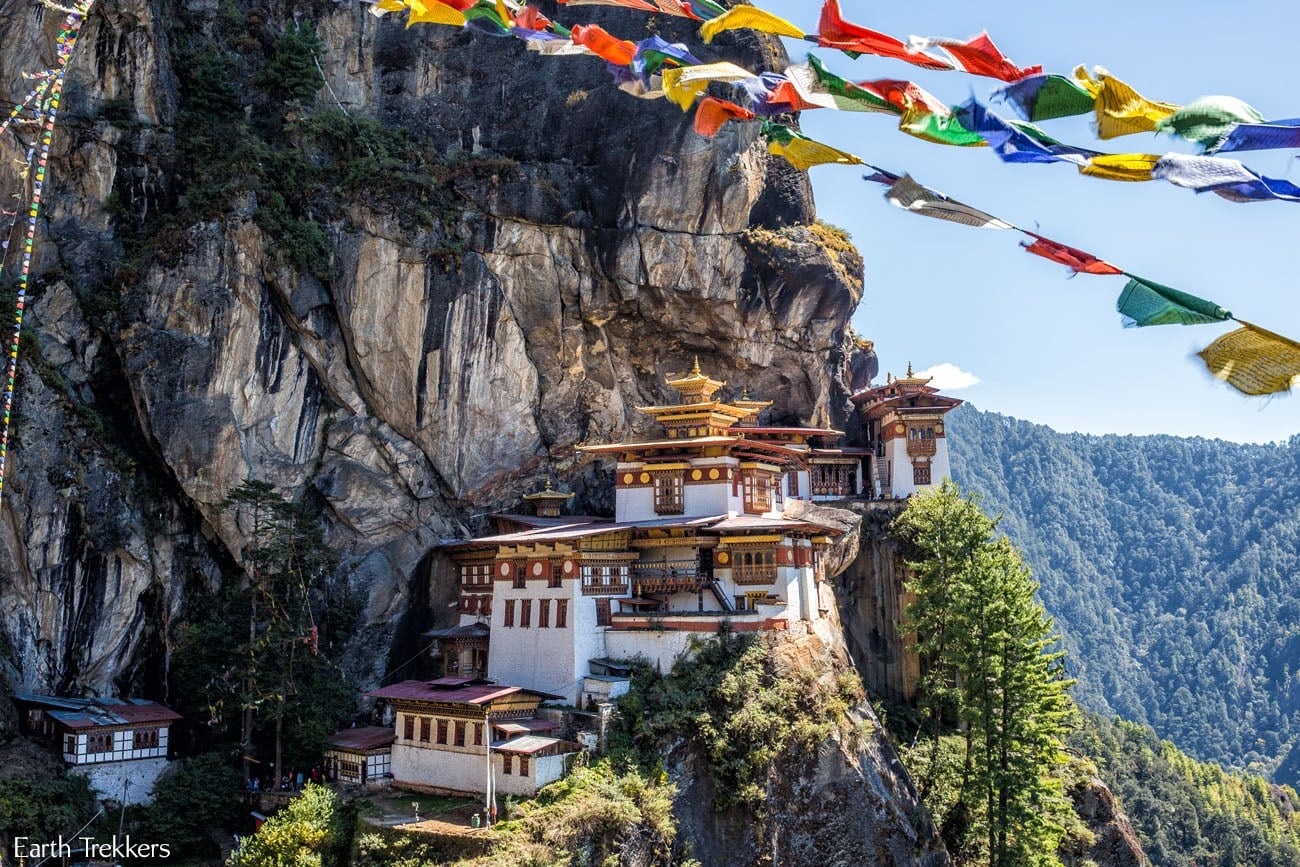
Tiger’s Nest Day Trip
Hike to Paro Taktsang, Bhutan’s most iconic monastery, on a full day trip from Thimphu to nearby Paro. Start early for clearer views and less crowding on the steep trail.
Tashichho Dzong Visit
Explore Thimphu’s grand fortress monastery, which houses government offices and monastic institutions. Visit in the late afternoon when the white walls and red roofs glow against the valley.
Buddha Dordenma Sunset
Head up to the giant Buddha Dordenma statue above Kuenselphodrang for sweeping views over the capital. The site is especially beautiful near sunset when prayer flags flutter across the hillside.
Memorial Chorten Circuit
Join locals walking clockwise around the Memorial Chorten, one of the city’s most lived-in spiritual spaces. It is a great place to observe daily devotion and respectful community life.
Weekend Market Walk
Browse the Centenary Farmers Market by the Wang Chhu River for red rice, ema datshi ingredients, yak cheese, and regional produce. Go on Friday evening or the weekend when the market is busiest.
Folk Heritage Museum
Visit the Folk Heritage Museum and nearby Simply Bhutan to understand traditional domestic life, farming tools, and Bhutanese customs. It gives useful context for the country beyond monasteries and viewpoints.
Off the Beaten Path
Live like a local. Special, lesser known experiences for adventurers who want real local flavor.
Changangkha Morning Walk
Wander around Changangkha Lhakhang above the city, where local families bring children for blessings. The surrounding lanes have quiet views and a more residential feel than central Thimphu.
Babesa Village Stroll
Explore Babesa, a traditional area south of the center known for old rammed-earth houses and a slower neighborhood rhythm. It is one of the best places to see everyday architecture beyond official landmarks.
Jungshi Paper Factory
Stop at the Jungshi Handmade Paper Factory to see traditional paper made from daphne bark. It is a small, working place that feels more local and practical than a polished museum.
Clock Tower Cafe Strip
Spend an afternoon around the Norzin Lam and Clock Tower Square area, where many residents meet for coffee, pastries, and casual people-watching. It is one of the easiest spots to settle into city life.
Lungtenzampa Riverside
Walk the Lungtenzampa area near the river and bridge, where commuters, students, and local shops give a more ordinary picture of Thimphu. It is useful for getting a feel for the city beyond sightseeing.
Motithang Takin Preserve
Visit the Motithang Takin Preserve, a modest hillside enclosure for Bhutan’s national animal. Pair it with a neighborhood walk in Motithang, one of the city’s greener residential districts.
Cost of Living
1-Bedroom Apartment (City Center)
$550/mo
3-Bedroom Apartment (City Center)
$1100/mo
Restaurant Meal
$12
Monthly Groceries
$220/mo
Monthly Transportation
$15/mo
Monthly Healthcare
$120/mo
Climate
Thimphu has a subtropical highland climate with cool, dry winters and mild summers. Spring and autumn are especially pleasant, with clear mountain views, sunny days, and chilly evenings because of the city’s elevation of about 7,600 feet.
Best Time to Visit
March to May, or September to November
Visa & Residency
Written for US citizens
US passport holders generally need to arrange travel through Bhutan’s official tourism system, and entry is tightly regulated compared with most countries. Bhutan introduced new visa pathways in recent years, including options linked to employment, investment, and longer residence, but there is no broad, simple digital nomad visa. For a long stay, most Americans need sponsorship through an employer, organization, or another approved residency route, and rules should be checked directly with Bhutanese authorities before planning a move.
These notes assume a US passport. If you hold a different nationality, your visa options and timelines may vary. Always confirm current rules with the official embassy or consulate before you commit.
Safety
Thimphu is one of South Asia’s safest capitals, with low violent crime and a calm street atmosphere. The main risks are road conditions, altitude adjustment for some newcomers, and occasional disruptions from weather or infrastructure limits rather than personal security threats.
Healthcare
Thimphu has Bhutan’s best healthcare access, including the national referral hospital and several private clinics, but advanced specialist care is limited compared with Bangkok, Delhi, or Singapore. Expats typically carry private insurance that includes medical evacuation for serious treatment needs.
Culture & Lifestyle
Culture
Bhutanese culture is formal, courteous, and strongly shaped by Buddhism, monarchy, and national traditions. Dress modestly, be respectful at monasteries and dzongs, and understand that preserving culture and social harmony is taken seriously in everyday life.
Lifestyle
Life in Thimphu is quiet, structured, and outdoorsy, with weekends often spent hiking, visiting temples, or meeting friends in coffee shops. Nightlife is limited, but the city offers a rewarding lifestyle for people who value community, scenery, and a slower routine.
Language
Dzongkha, English widely used in government, schools, and business
Currency
Bhutanese ngultrum (BTN)
Timezone
BTT (UTC+6)