Swakopmund
 Namibia
German-colonial seaside town where desert dunes crash into the Atlantic.
Overview
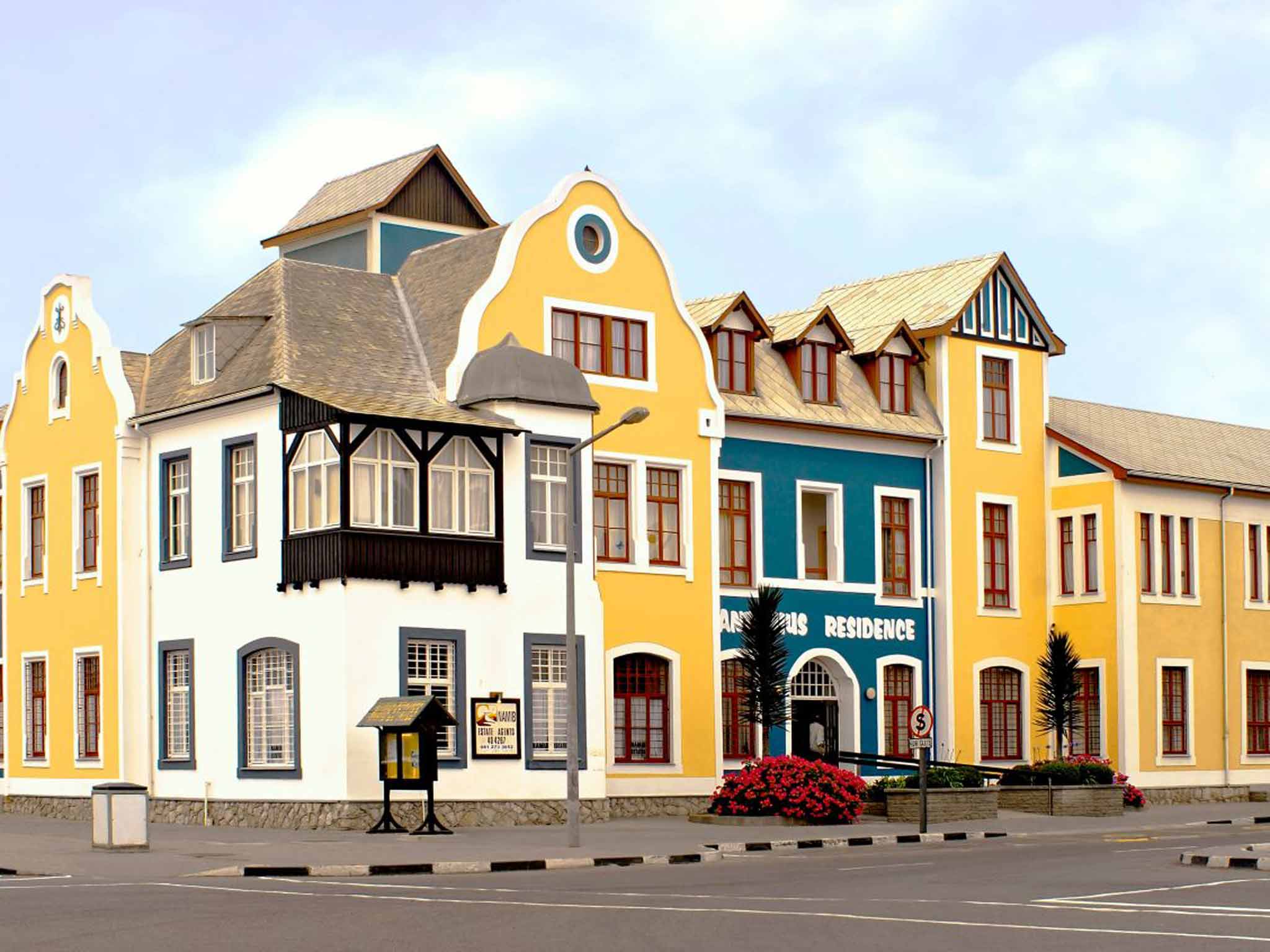
Swakopmund sits at the point where the Namib Desert's apricot dunes slide into the cold Atlantic surf, creating one of Africa's most surreal landscapes. The town itself is a time capsule of German-colonial architecture: half-timbered buildings, a lighthouse, and bakeries selling schwarzwalder kirschtorte alongside kapana street meat. Adventure outfitters line the main street, offering sandboarding on the world's tallest dunes, quad-biking across the gravel plains, skydiving over the Skeleton Coast, and kayaking with Cape fur seals. For expats, Swakopmund is Namibia's most livable town: clean, safe, well-supplied, with reliable internet and a small but welcoming international community drawn by the outdoor lifestyle and Africa's most photogenic scenery.
Why Expats Love It
Surreal desert-meets-ocean landscapes, adventure sports, safe and clean town, German-Namibian culture, and a gateway to Africa's greatest wildlife.
Must Dos
The essential, top gem experiences for the full tourist experience.
Dune 7 sandboarding
Board down the face of one of the tallest dunes in the Namib.
Walvis Bay flamingos
Drive 30 minutes south to see thousands of pink flamingos wading in the lagoon.
Skeleton Coast scenic flight
Fly over shipwrecks, seal colonies and endless dunes along the coast.
Kayaking with seals
Paddle among playful Cape fur seals in Walvis Bay harbor.
Swakopmund Jetty
Walk to the end of the 1905 German-built pier for sunset ocean views.
Living Desert Tour
Discover sidewinder snakes, chameleons and beetles adapted to life in the Namib.
Off the Beaten Path
Live like a local. Special, lesser known experiences for adventurers who want real local flavor.
Mondesa Township tour
Walk through the township with a local guide to experience Namibian culture and cuisine.
Welwitschia Drive
See the ancient desert plants (some over 1,000 years old) on a self-drive gravel loop.
Moon Landscape viewpoint
Stand on the eroded valley that NASA used as a lunar-landing rehearsal site.
Spitzkoppe day trip
Drive to the dramatic granite inselberg for rock climbing and San bushman art.
Martin Luther steam locomotive
Find the abandoned 1896 locomotive stranded in the desert outside town.
Kristall Galerie
View one of the world's largest quartz crystals in a small museum downtown.
Cost of Living
1-Bedroom Apartment (City Center)
$400/mo
3-Bedroom Apartment (City Center)
$750/mo
Restaurant Meal
$8
Monthly Groceries
$200/mo
Monthly Transportation
$50/mo
Monthly Healthcare
$40/mo
Climate
Cool desert; fog and overcast mornings, sunny afternoons, rarely above 25C.
Best Time to Visit
September to April
Visa & Residency
Written for US citizens
U.S. citizens can typically enter Namibia visa-free for up to 90 days, though stays are generally granted at the discretion of immigration officers upon arrival. Extensions beyond the initial allowance are possible but must be applied for through the Ministry of Home Affairs before the original period expires, and overstaying is taken seriously. Namibia does not currently offer a dedicated digital nomad visa or formal retirement visa, so longer-term stays typically require a work permit tied to employer sponsorship, an investor permit, or a residency permit based on qualifying circumstances such as marriage to a Namibian citizen. Work permits generally require proof of a job offer and evidence that the role cannot be filled locally. Border runs to reset a tourist stay are not a reliable long-term strategy and may attract scrutiny. Verify current entry and residency requirements with the Namibian embassy or consulate before making relocation plans.
These notes assume a US passport. If you hold a different nationality, your visa options and timelines may vary. Always confirm current rules with the official embassy or consulate before you commit.
Safety
One of Africa's safest towns; exercise normal caution in quieter areas at night.
Healthcare
Cottage Medi-Clinic provides solid private care; Windhoek (4 hours) for complex procedures.
Culture & Lifestyle
Culture
German-colonial heritage blended with Namibian cultures; Oktoberfest celebrations and township tours coexist.
Lifestyle
Morning fog walks, sandboarding afternoons, seal-kayak mornings, and sundowners watching the desert glow.
Language
English, German, Afrikaans, Oshiwambo
Currency
NAD
Timezone
UTC+2