
Stone Town
 Tanzania
Zanzibar's coral-built labyrinth of spice traders, carved doors and ocean breezes.
Overview
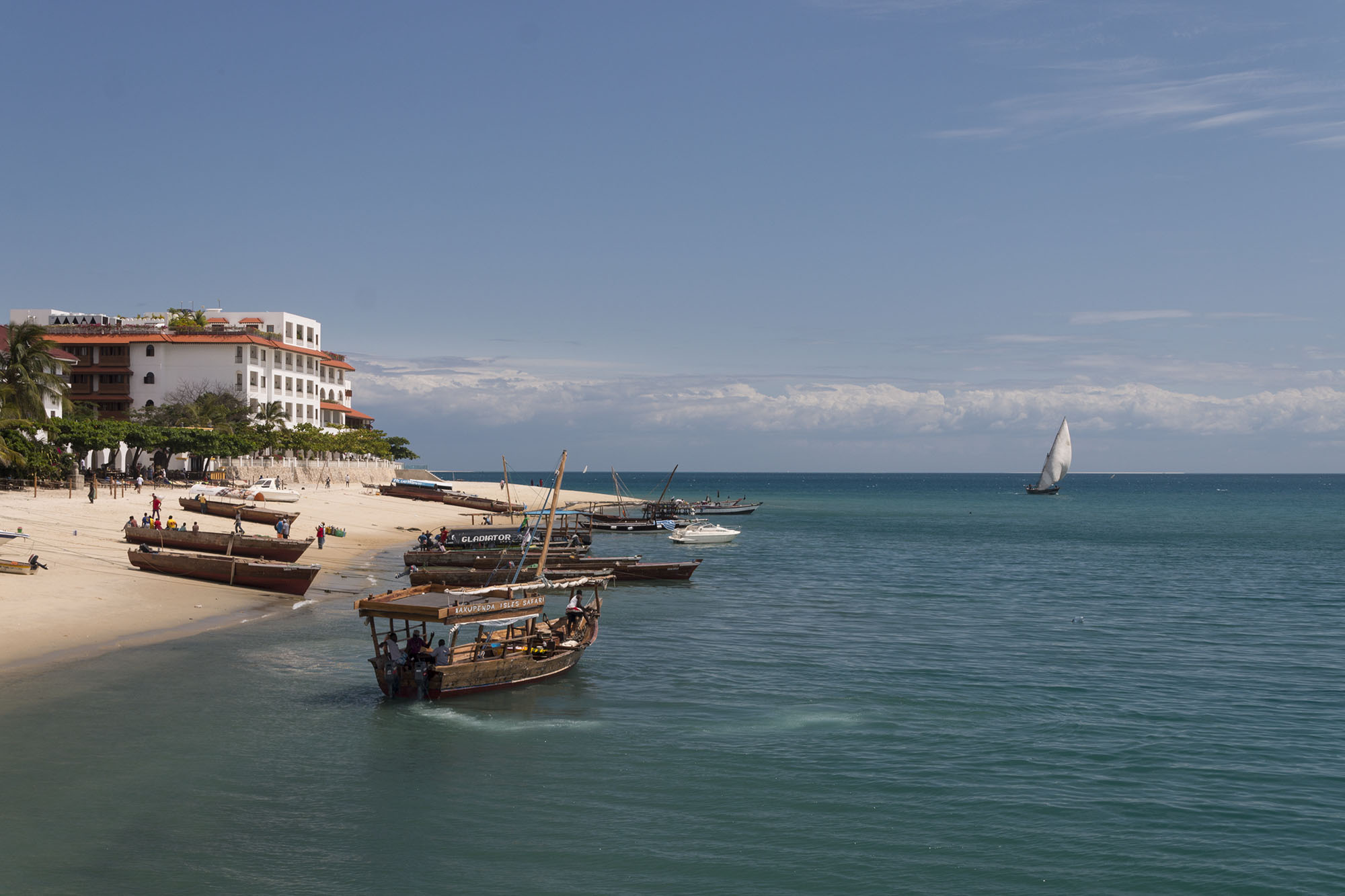
Stone Town is the ancient heart of Zanzibar, a UNESCO World Heritage site where narrow alleys twist between coral-rag buildings adorned with some of the world's most ornate carved wooden doors. Omani, Indian, Persian and Swahili influences layer over one another in the architecture, the food and the daily soundtrack of call-to-prayer and Taarab music. The waterfront Forodhani Gardens night market fills each evening with grilled seafood, Zanzibar pizza and sugarcane juice, while the spice farms and beaches that made the island famous lie just a short drive beyond the town gates. For expats, Stone Town offers a deeply atmospheric base with reliable internet in the tourist core, affordable seafood-rich living, and a creative cultural scene fed by music festivals and artist residencies.
Why Expats Love It
UNESCO heritage atmosphere, tropical island setting, incredible seafood, Swahili culture, and a cost of living that lets you live in a historic townhouse.
Must Dos
The essential, top gem experiences for the full tourist experience.
Forodhani Gardens night market
Feast on grilled lobster, octopus, Zanzibar pizza and urojo soup at sunset stalls.
House of Wonders (Beit al-Ajaib)
Visit the grand waterfront palace, once the largest building in East Africa.
Carved-door walking tour
Hunt for the town's finest antique Swahili and Indian carved doorways.
Spice farm tour
Smell, taste and identify clove, vanilla, cinnamon, nutmeg and cardamom on a guided farm visit.
Freddie Mercury house
Stand before the birthplace of the Queen frontman, born Farrokh Bulsara in 1946.
Dhow sunset cruise
Sail a traditional wooden dhow past the waterfront as the sun dips into the Indian Ocean.
Off the Beaten Path
Live like a local. Special, lesser known experiences for adventurers who want real local flavor.
Jozani Forest
Walk the boardwalk through the mangrove habitat of the endemic Zanzibar red colobus monkey.
Changuu (Prison Island)
Boat to the island to see giant Aldabra tortoises and the old quarantine ruins.
Hamamni Persian Baths
Peek into the 19th-century bathhouse commissioned by Sultan Barghash.
Mtoni Palace ruins
Explore the overgrown ruins of the sultan's seaside palace north of town.
Kidichi Persian Baths
Visit the older, less-touristed baths surrounded by spice plantations inland.
Sauti za Busara music festival
Attend the annual February festival celebrating East African music in Stone Town's Old Fort.
Cost of Living
1-Bedroom Apartment (City Center)
$350/mo
3-Bedroom Apartment (City Center)
$650/mo
Restaurant Meal
$5
Monthly Groceries
$140/mo
Monthly Transportation
$25/mo
Monthly Healthcare
$20/mo
Climate
Tropical; hot and humid year-round, rainy March to May and November.
Best Time to Visit
June to October
Visa & Residency
Written for US citizens
U.S. citizens typically receive a visa on arrival or can obtain an e-visa for Tanzania, generally allowing stays of up to 90 days, and this coverage extends to Zanzibar, including Stone Town. Extensions may be possible through local immigration offices, though border runs are sometimes used by long-term visitors. Tanzania does not currently offer a widely established digital nomad visa, so remote workers commonly enter on tourist visas while exploring longer-term options. Work permits are available but generally require employer sponsorship and can involve a lengthy application process. Retirement and investor residency routes exist in principle, though specific income or investment thresholds vary and should be confirmed directly with the Tanzanian embassy or consulate before making relocation plans.
These notes assume a US passport. If you hold a different nationality, your visa options and timelines may vary. Always confirm current rules with the official embassy or consulate before you commit.
Safety
Safe for tourists; be cautious with valuables in narrow alleys and on quiet beaches after dark.
Healthcare
Mnazi Mmoja Hospital and private clinics for basics; Dar es Salaam or Nairobi for complex care.
Culture & Lifestyle
Culture
A fusion of Swahili, Omani, Indian and European cultures expressed through carved doors, Taarab music and spice cuisine.
Lifestyle
Morning spice-market walks, rooftop work sessions, dhow sunsets, and Forodhani night-market feasts.
Language
Swahili, English
Currency
TZS
Timezone
UTC+3