
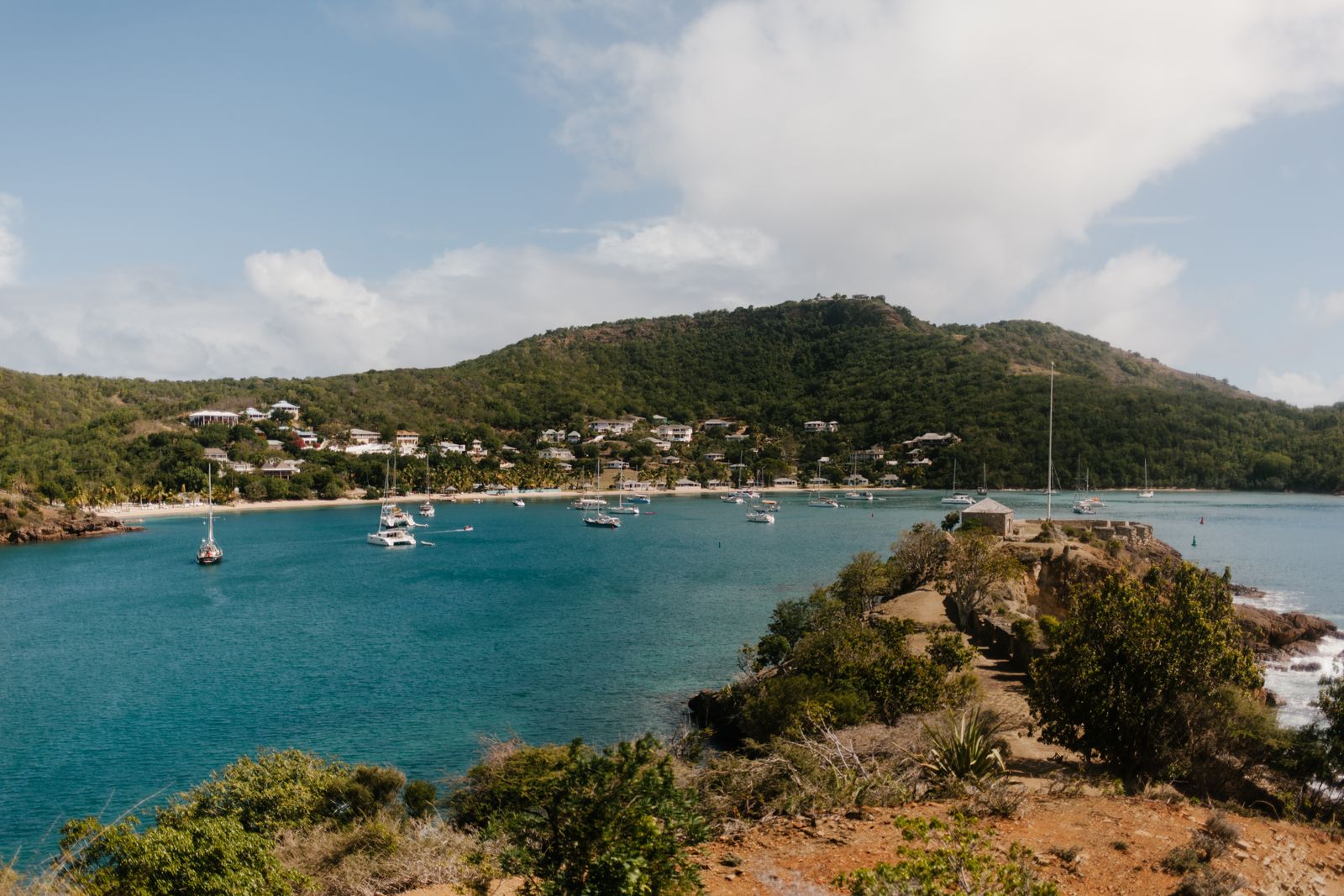
St. John's
 Antigua and Barbuda
Caribbean harbor life with island ease
Overview
St. John's is the capital and main commercial center of Antigua and Barbuda, set around a busy natural harbor on Antigua's northwest coast. It is the island's most practical base for expats because government offices, supermarkets, banks, clinics, ferry connections, and the biggest concentration of services are here. The city itself is compact and colorful, with cruise port energy by day, while better residential areas and beaches spread into nearby neighborhoods like Dickenson Bay, Marble Hill, and Hodges Bay. For long stays, it offers the best balance of convenience, sea access, and everyday livability in the country.
Why Expats Love It
Expats and digital nomads choose St. John's because it is the easiest place in Antigua to handle daily life, from errands and healthcare to coworking from cafes, hotels, or villa rentals with solid internet. You are close to the airport, major beaches, and a strong international community, but still living in a small Caribbean setting where commutes are short and weekends mean sailing, snorkeling, or beach hopping.
Must Dos
The essential, top gem experiences for the full tourist experience.
Nelson's Dockyard
Spend a day in English Harbour exploring the restored Georgian naval dockyard, museums, yachts, and waterfront restaurants in Antigua's UNESCO World Heritage Site.
Shirley Heights Sunset
Go on Sunday evening for the island's classic lookout party, with sweeping views over English Harbour, live music, and a sunset that lives up to the hype.
Dickenson Bay Day
Swim, paddleboard, or simply beach hop at Dickenson Bay, the easiest major beach from St. John's, with calm water and plenty of places to eat and drink.
Deep Bay Snorkel
Snorkel in Deep Bay to see the Andes shipwreck and enjoy one of the most accessible underwater sites near the capital.
St. John's Market Walk
Wander the Public Market and surrounding streets for local fruit, spices, saltfish, and a more grounded look at daily life beyond the cruise terminal.
Fort James Evening
Visit Fort James for historic cannons, harbor views, and one of the best local spots near town for a low key sunset and beach swim.
Off the Beaten Path
Live like a local. Special, lesser known experiences for adventurers who want real local flavor.
Marble Hill Views
Drive or stay in Marble Hill for breezier residential life and elevated views over the northwest coast, a favorite area for expat villas away from the cruise crowds.
Heritage Quay Morning
Arrive early before the port gets busy, grab coffee, and walk the quieter edge of Heritage Quay to watch fishing boats and harbor life wake up.
Cedar Valley Greens
Head inland to Cedar Valley for a more local, leafy side of Antigua, where the golf course area and nearby roads feel far removed from the port scene.
Runaway Bay Local Swim
Choose Runaway Bay over the more famous resort strips for a calmer beach session used by residents, especially on quieter weekday mornings.
Friars Hill Errands Loop
Explore the practical side of expat life around Friars Hill Road, where supermarkets, small shops, gyms, and service businesses make daily living easier.
Dutchman's Bay Pause
Stop by Dutchman's Bay for a quieter shoreline near the airport side of St. John's, with a laid back beach feel and fewer day trippers than the headline beaches.
Cost of Living
1-Bedroom Apartment (City Center)
$1400/mo
3-Bedroom Apartment (City Center)
$2600/mo
Restaurant Meal
$28
Monthly Groceries
$450/mo
Monthly Transportation
$45/mo
Monthly Healthcare
$180/mo
Climate
St. John's has a tropical marine climate, warm and humid year round, with daytime temperatures usually around 79 to 88 F. The driest and most comfortable stretch is generally from December through April, while late summer and fall are hotter, wetter, and part of the Atlantic hurricane season.
Best Time to Visit
December to April
Visa & Residency
Written for US citizens
US passport holders generally do not need a visa for short tourist stays in Antigua and Barbuda, and visitors are commonly admitted for up to 6 months, subject to onward travel and sufficient funds. For longer stays, extensions can be requested through the immigration authorities. Antigua and Barbuda also offers a Nomad Digital Residence program for eligible remote workers who want to live on the islands while working for employers or clients based abroad.
These notes assume a US passport. If you hold a different nationality, your visa options and timelines may vary. Always confirm current rules with the official embassy or consulate before you commit.
Safety
St. John's is generally safe for day to day life, but petty theft, opportunistic robbery, and occasional burglary do happen, especially around nightlife areas, beaches after dark, and unattended cars. Use normal urban caution, avoid isolated spots at night, and choose housing with good security.
Healthcare
St. John's has the country's main medical facilities, including Sir Lester Bird Medical Centre, plus private clinics for routine and urgent care. For serious specialist treatment, some expats prefer medical evacuation or treatment in Puerto Rico, the US, or other larger regional hubs, so comprehensive insurance is important.
Culture & Lifestyle
Culture
Life in St. John's is friendly, social, and informal, but manners matter, greet people politely and dress modestly away from the beach. Carnival in late July and early August is a major cultural event, and cricket, soca, reggae, and sailing are all woven into local life.
Lifestyle
The lifestyle is outdoorsy and sea focused, with easy access to beaches, sailing, diving, and sunset bars after work. Compared with larger expat hubs in the Caribbean, life is quieter and less polished, but that is part of the appeal if you want convenience without big city pressure.
Language
English, Antiguan Creole widely heard
Currency
East Caribbean dollar (XCD)
Timezone
AST (UTC-4)