
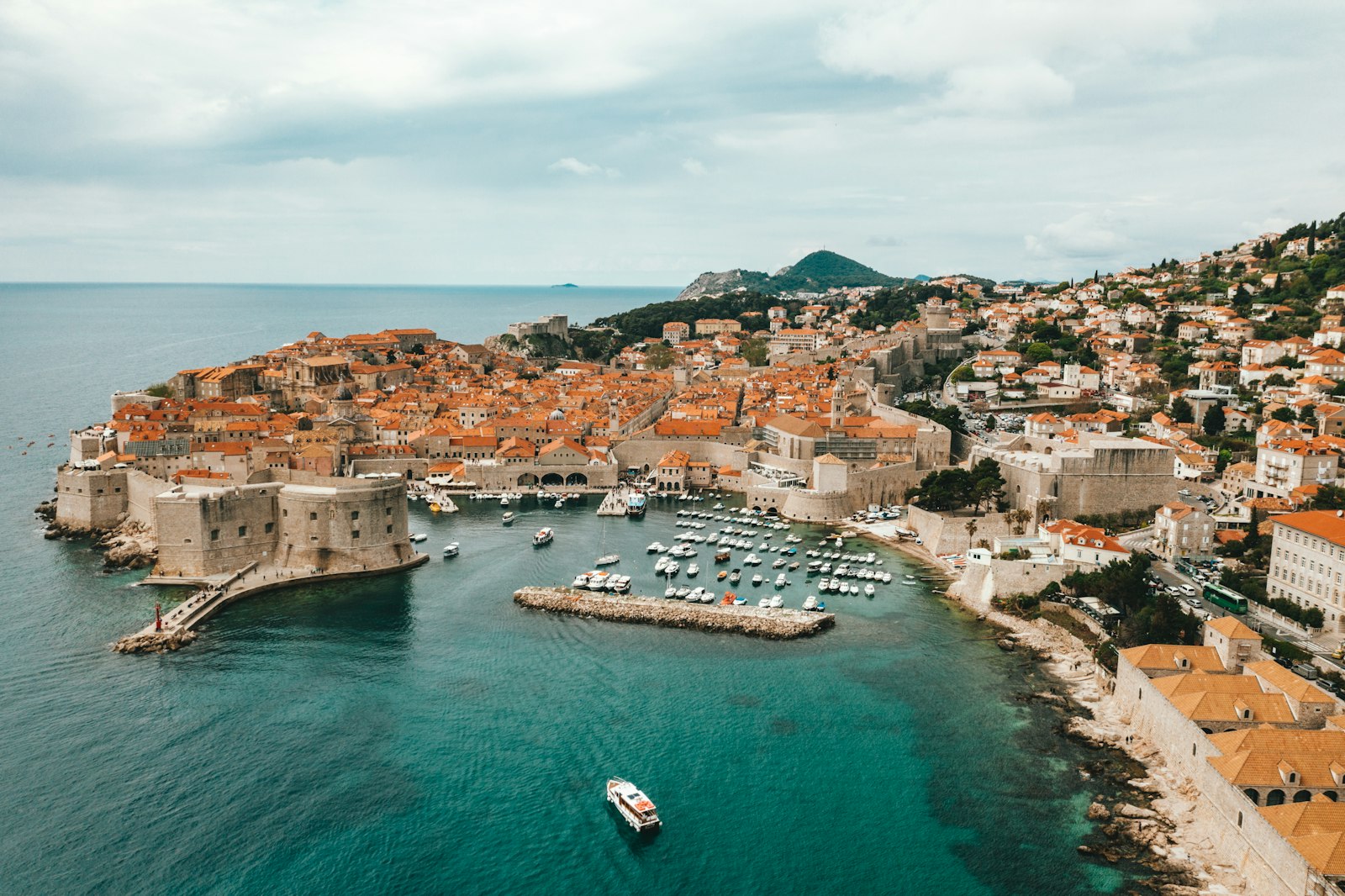
Split
 Croatia
A living Roman palace on the Dalmatian coast, where ancient walls frame a vibrant Mediterranean port city.
Overview
Split is Croatia's second-largest city, built in and around the ruins of the Roman Emperor Diocletian's Palace on the central Dalmatian coast. The palace walls still form the heart of the old town, housing apartments, shops, restaurants, and bars within 1,700-year-old stone corridors. Outside the palace, the Riva waterfront promenade faces the harbor, and the Marjan peninsula offers forested trails and swimming coves. Split is a working city and major ferry port, not just a tourist destination, which gives it a grounded everyday character.
Why Expats Love It
Expats and digital nomads choose Split for its affordability compared to Western Europe, stunning coastal setting, warm Mediterranean climate, walkability, strong cafe culture, easy island hopping, and Croatia's digital nomad visa. The city is large enough for amenities but small enough to feel like a community.
Must Dos
The essential, top gem experiences for the full tourist experience.
Diocletian's Palace
Wander the ancient palace complex, exploring the Peristyle courtyard, the Cathedral of Saint Domnius, the underground cellars, and the narrow kalelas (streets) that locals still call home.
Riva Waterfront Promenade
Stroll the Riva for Split's signature social scene, with palm-lined cafes, harbor views, and the best people-watching in Dalmatia.
Marjan Hill Hike
Walk or run the trails of the Marjan peninsula for pine-forested paths, hidden chapels, viewpoints over the city and islands, and quiet swimming coves on the south side.
Bacvice Beach
Spend an afternoon at Bacvice, Split's most popular city beach, famous for picigin, a local ball game played in the shallows that is practically a civic institution.
Green Market (Pazar)
Visit the open-air Pazar market behind the palace walls for seasonal produce, dried figs, local cheese, olive oil, and an everyday snapshot of Split life.
Ferry to Hvar or Brac
Take a day trip by ferry or catamaran to Hvar town or Bol on Brac island for lavender fields, Zlatni Rat beach, and island village wandering.
Off the Beaten Path
Live like a local. Special, lesser known experiences for adventurers who want real local flavor.
Varos Neighborhood
Climb the old stone steps of Varos, the fishing quarter built into the hillside west of the palace, for narrow lanes, laundry lines, and local life without the tourist crowds.
Sustipan Peninsula Park
Walk to the tip of Sustipan at the south end of Marjan for a quiet park with sea views, old cemetery grounds, and sunset benches overlooking the islands.
Kasuni Beach
Find Kasuni Beach on the south side of Marjan, a rocky cove backed by pine trees and popular with locals for its clear water and low-key atmosphere.
Salona Ruins
Drive or bus 15 minutes to the ruins of ancient Salona, once the Roman capital of Dalmatia, for amphitheater remains, early Christian cemeteries, and aqueduct fragments in a quiet countryside setting.
Matejuska Harbor
Sit by the tiny Matejuska fishing harbor just west of the Riva for a glimpse of Split's traditional seafaring life, with small wooden boats and old stone quays.
Froggyland
Visit this eccentric museum in the old town displaying hundreds of taxidermied frogs posed in human scenes. It is bizarre, charming, and uniquely Split.
Cost of Living
1-Bedroom Apartment (City Center)
$700/mo
3-Bedroom Apartment (City Center)
$1200/mo
Restaurant Meal
$14
Monthly Groceries
$280/mo
Monthly Transportation
$40/mo
Monthly Healthcare
$60/mo
Climate
Split has a hot-summer Mediterranean climate with very warm, dry summers averaging 30 C and mild, wet winters averaging 8 to 12 C. The sea is warm enough for swimming from June to October.
Best Time to Visit
May to June, September to October
Visa & Residency
Written for US citizens
Americans can visit Croatia and the Schengen Area for up to 90 days without a visa. Croatia offers a digital nomad visa allowing stays of up to one year for remote workers employed by companies outside Croatia, with proof of income and health insurance.
These notes assume a US passport. If you hold a different nationality, your visa options and timelines may vary. Always confirm current rules with the official embassy or consulate before you commit.
Safety
Split is very safe. Petty theft in crowded tourist areas during summer is the main concern. The city is comfortable to walk at all hours.
Healthcare
Croatia has a public healthcare system, and Split has a regional hospital and clinics. Care is functional but can involve wait times. Many expats use private clinics for faster service and carry international health insurance.
Culture & Lifestyle
Culture
Split culture is Mediterranean at its core: long lunches, strong coffee, late dinners, and social life on the Riva and in the palace courtyards. Locals are proud of their city and its Hajduk football club. Learning a few Croatian phrases is appreciated.
Lifestyle
Daily life in Split revolves around the sea, coffee, and outdoor living. Mornings start with espresso on the Riva, followed by work or beach time at Bacvice or along the Marjan coastline. Evenings bring waterfront dining, Diocletian's Palace courtyard bars, and weekend ferry trips to Hvar, Brac, or Vis.
Language
Croatian, with English widely spoken in tourist areas
Currency
Euro (EUR)
Timezone
CET (UTC+1) / CEST (UTC+2 summer)