
Sofia
 Bulgaria
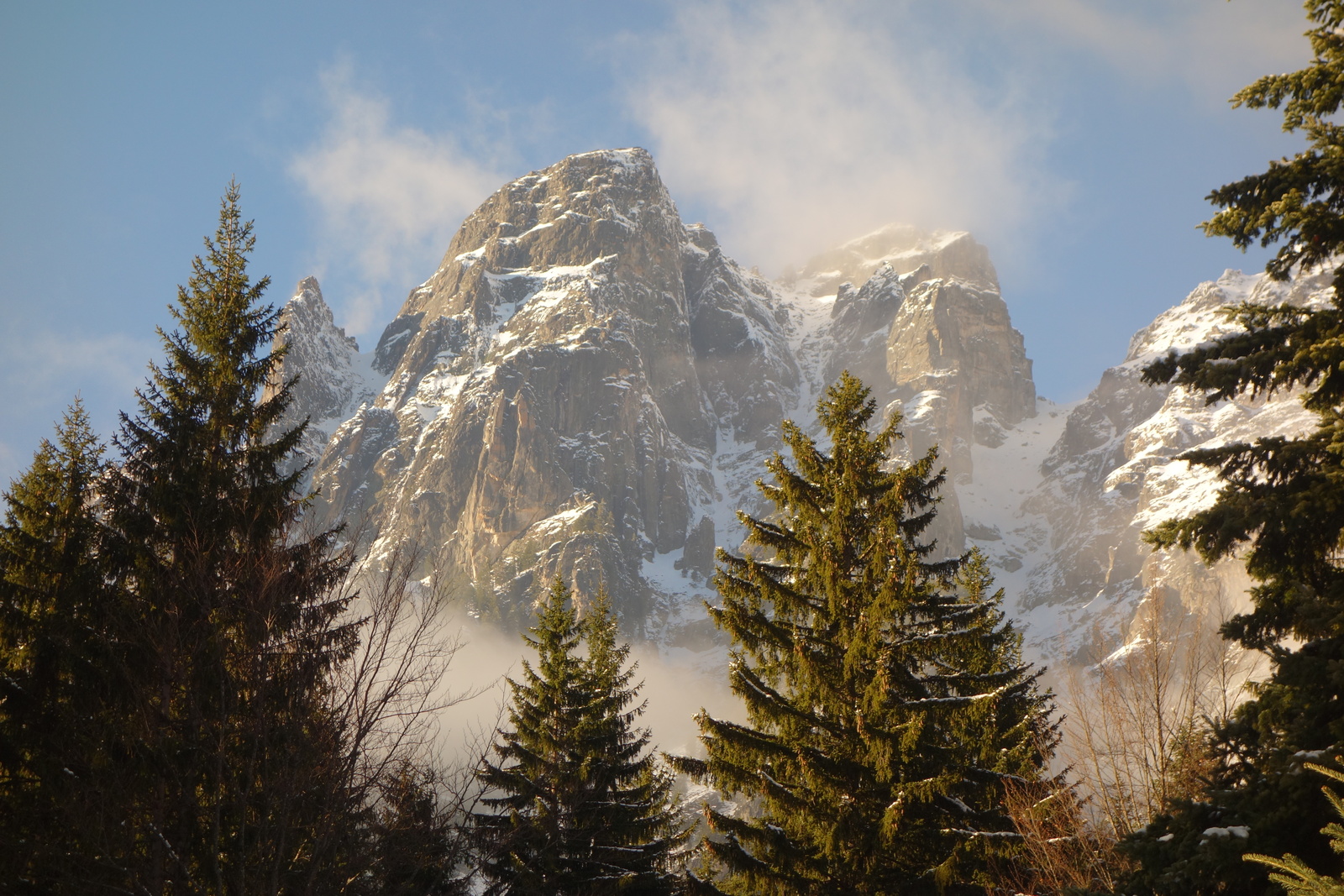
Balkan energy beneath mountain peaks
Overview
Sofia is Bulgaria’s capital and by far its strongest base for expats and digital nomads. It mixes Roman ruins, grand Orthodox churches, Soviet-era architecture, leafy parks, and a fast-growing cafe and tech scene, all with Vitosha Mountain looming just south of the city. Compared with most European capitals, it stays remarkably affordable while still offering international schools, coworking spaces, modern malls, and solid transport links. It feels lived-in rather than polished, which is part of its appeal for people staying longer than a quick trip.
Why Expats Love It
Expats choose Sofia because it offers one of Europe’s better value-for-money capital city lifestyles, with low everyday costs, decent internet, and easy access to both city life and nature. Digital nomads like the concentration of cafes, startup offices, coworking spaces, and the ability to be hiking on Vitosha within the same day. It also works well as a regional base, with low-cost flights and overland connections around the Balkans.
Must Dos
The essential, top gem experiences for the full tourist experience.
Alexander Nevsky
Visit the monumental Alexander Nevsky Cathedral, Sofia’s defining landmark, then step inside to see its vast chandeliers and icon-filled interior. The square around it is one of the city’s most recognizable gathering points.
Roman Serdica
Walk the exposed ruins of ancient Serdica around the Largo and Serdika Metro Station, where Roman streets sit right in the modern center. It is one of the easiest ways to understand how old Sofia really is.
Vitosha Boulevard
Stroll Vitosha Boulevard for cafes, people-watching, and mountain views, especially in the late afternoon. Start near the Palace of Justice and continue south toward the National Palace of Culture.
Boyana Church
Head to Boyana Church at the foot of Vitosha to see its extraordinary medieval frescoes, a UNESCO-listed treasure. Pair it with the nearby Boyana neighborhood for a quieter, greener side of Sofia.
National History Museum
Spend a few hours at the National History Museum, housed in a former government residence in the Boyana area. Its Thracian gold, medieval artifacts, and state collections give the best big-picture introduction to Bulgaria.
Vitosha Mountain
Take a day trip up Vitosha Mountain for hiking, fresh air, and panoramic views over Sofia. Popular routes begin around Aleko hut, which is reachable by city transport plus a short connection.
Off the Beaten Path
Live like a local. Special, lesser known experiences for adventurers who want real local flavor.
Zhenski Pazar
Browse Zhenski Pazar for cheap produce, spices, cheese, and the everyday rhythm of central Sofia beyond the postcard zones. The area has changed in recent years but still feels raw, local, and useful for real shopping.
KvARTal Streets
Explore the small streets around Iskar, Veslets, and Ekzarh Yosif in the emerging KvARTal district. You will find indie bars, design shops, and creative spaces tucked into old central buildings.
Dragalevtsi Village Edge
Spend an afternoon in Dragalevtsi, where Sofia thins into the mountain foothills and local restaurants serve grilled meats and salads with a suburban village feel. It is a good place to see how residents actually use Vitosha on weekends.
South Park Mornings
Join locals in Yuzhen Park, also called South Park, for jogging, coffee walks, and lazy weekend afternoons. The nearby Lozenets and Hladilnika areas show a more residential, modern side of Sofia life.
Doctor's Garden
Wander around Doctor's Garden and the surrounding streets near Oborishte for a quieter, elegant central neighborhood. This is where many long-term residents go for relaxed cafes, wine bars, and old Sofia atmosphere.
Sofia Synagogue Area
Walk the streets around the Sofia Synagogue, the Central Market Hall, and Maria Luiza Boulevard to catch a layered part of the city many visitors rush through. The mix of Jewish, Ottoman, and socialist-era traces makes this area especially revealing.
Cost of Living
1-Bedroom Apartment (City Center)
$650/mo
3-Bedroom Apartment (City Center)
$1100/mo
Restaurant Meal
$18
Monthly Groceries
$230/mo
Monthly Transportation
$28/mo
Monthly Healthcare
$90/mo
Climate
Sofia has four distinct seasons, with hot summers, cold winters, and more snow than many first-time visitors expect. Spring and early fall are especially pleasant, while winter can be gray but gives quick access to nearby skiing on Vitosha.
Best Time to Visit
May to June, or September to October
Visa & Residency
Written for US citizens
US passport holders can enter Bulgaria visa-free for up to 90 days within any 180-day period. Bulgaria is in the EU and Schengen, so standard Schengen stay rules matter for most short visits. For longer stays, Americans typically look at residence options tied to work, company activity, study, family, or other legal grounds, and should check current requirements with Bulgarian immigration authorities or a local lawyer.
These notes assume a US passport. If you hold a different nationality, your visa options and timelines may vary. Always confirm current rules with the official embassy or consulate before you commit.
Safety
Sofia is generally safe for daily life, including central areas and public transport. The main issues are petty theft, taxi scams if you do not use reputable apps, and the usual extra caution late at night around transport hubs or poorly lit areas.
Healthcare
Sofia has the country’s best concentration of private clinics and English-speaking specialists, and many expats rely on private hospitals for routine care. Public healthcare is cheaper but can be slower, more bureaucratic, and less comfortable than what many Americans expect.
Culture & Lifestyle
Culture
Bulgarians can seem reserved at first, but relationships warm up once trust is built. Nodding and head shaking can sometimes be confusing to foreigners, so listen to the words rather than relying only on gestures.
Lifestyle
Life in Sofia is urban but not frantic, with long cafe hours, lively neighborhood restaurants, and easy weekend escapes to mountains, monasteries, and small historic towns. It suits people who want a practical European base more than a polished luxury destination.
Language
Bulgarian. English is common among younger people and in business, hospitality, and tech circles.
Currency
Bulgarian lev (BGN)
Timezone
EET (UTC+2)