
Seville
 Spain
Spain
Andalusia's capital of flamenco, tapas, and orange trees, where a low cost of living meets an extraordinarily walkable old city.
Overview
Seville is the capital of Andalusia and the most atmospheric large city in southern Spain, built around a Moorish palace, the world's largest Gothic cathedral, and a maze of whitewashed lanes in Santa Cruz and Alfalfa. For expats it is one of the best value cities in western Europe, with rents well below Madrid or Barcelona, an old center that is almost entirely walkable or cyclable, and a genuinely outdoor social life built around tapas bars and plazas. The catch is summer, when July and August routinely pass 40C and the city empties in the afternoons, and a local job market that is thinner than in Spain's bigger hubs, which makes it best suited to remote workers, retirees, and students. Spain's digital nomad visa has made it a popular landing point.
Why Expats Love It
Expats love Seville for the ratio of quality of life to cost: a beautiful historic center, 300 days of sun, tapas for a few euros, and fast trains to Madrid and Malaga. The pace is slower and more sociable than northern Europe, and the city stays lived-in rather than surrendering to tourism.
Must Dos
The essential, top gem experiences for the full tourist experience.
Real Alcazar
Book a timed ticket for the Real Alcazar and its Mudejar palaces and gardens, still a working royal residence and the oldest in Europe.
Seville Cathedral and Giralda
Climb the ramped Giralda bell tower at Seville Cathedral, the largest Gothic church in the world, for rooftop views over the old town.
Plaza de Espana
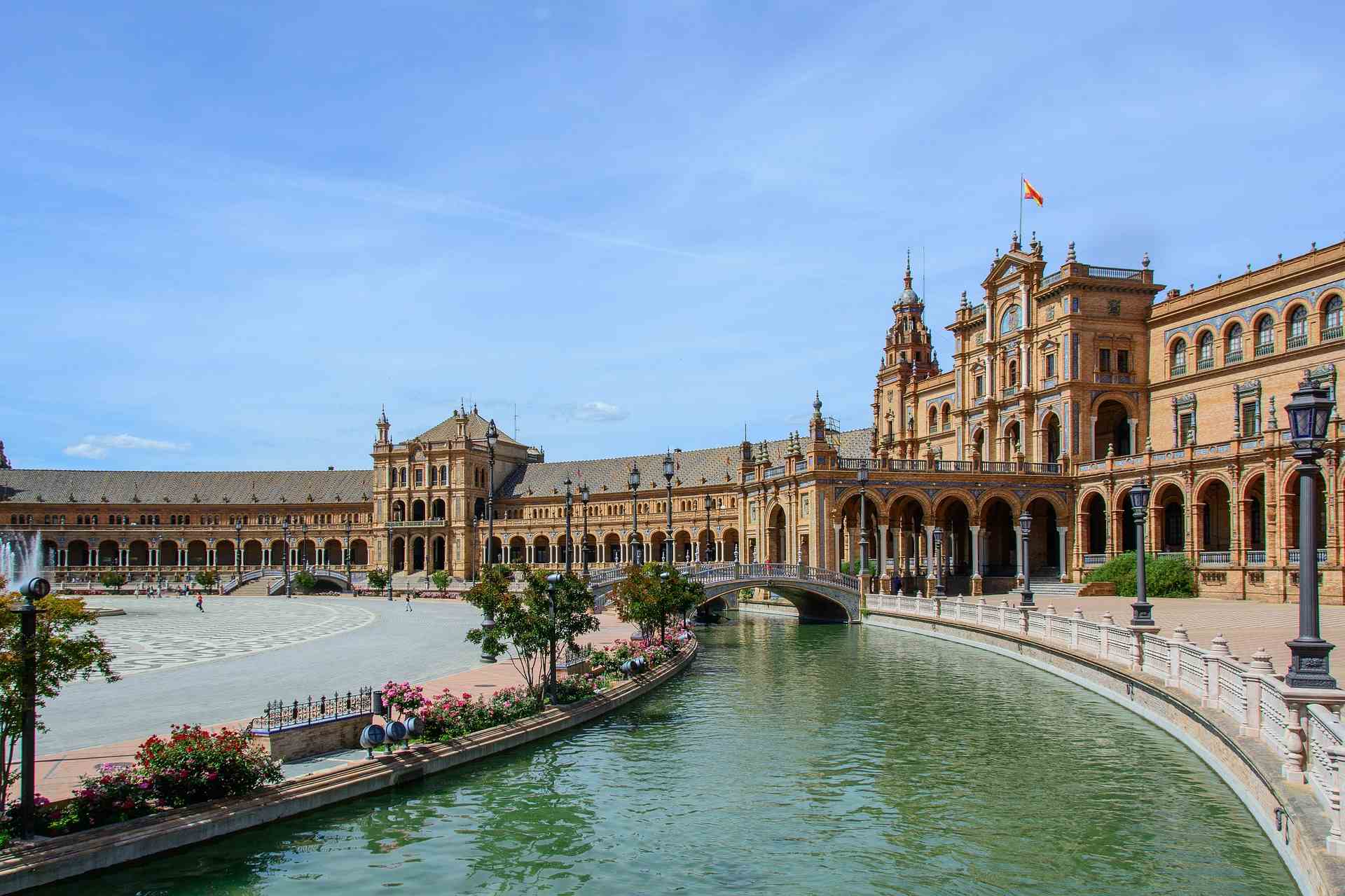
Walk the tiled bridges and canal of Plaza de Espana in Parque de Maria Luisa, built for the 1929 Ibero-American Exposition.
Triana District
Cross the Isabel II bridge into Triana for ceramic workshops, the Mercado de Triana, and the riverside bars along Calle Betis.
Flamenco in Los Gatos or La Carboneria
See flamenco somewhere small and local rather than a dinner show, with Casa de la Memoria a reliable option.
Metropol Parasol
Go up the wooden Metropol Parasol walkway in Plaza de la Encarnacion at sunset for the best skyline perspective in the city.
Off the Beaten Path
Live like a local. Special, lesser known experiences for adventurers who want real local flavor.
Casa de Pilatos
Visit Casa de Pilatos, a private Andalusian palace of tiled courtyards and Roman sculpture that sees a fraction of the Alcazar's crowds.
Italica Roman Ruins
Take the bus to Italica in Santiponce, a Roman city with a huge amphitheater and intact mosaics twenty minutes outside town.
Alameda de Hercules
Spend an evening on the Alameda de Hercules, the bohemian northern square where Sevillanos rather than visitors drink.
Hospital de los Venerables
Step into the Hospital de los Venerables in Santa Cruz for a quiet baroque courtyard and a small painting collection.
Corral del Conde and San Luis
Wander the San Luis de los Franceses area and its extravagant baroque church, in a residential quarter most tourists never reach.
Guadalquivir Kayaking
Kayak or row on the Guadalquivir River from the Club Nautico stretch, which is how locals escape the heat in the late afternoon.
Cost of Living
1-Bedroom Apartment (City Center)
$750/mo
3-Bedroom Apartment (City Center)
$1200/mo
Restaurant Meal
$13
Monthly Groceries
$250/mo
Monthly Transportation
$36/mo
Monthly Healthcare
$70/mo
Climate
Seville has a hot-summer Mediterranean climate and is the hottest major city in continental Europe, with summer highs regularly above 40C and mild, mostly dry winters rarely dropping below 5C.
Best Time to Visit
March to May and October to November
Visa & Residency
Written for US citizens
Americans can stay 90 days in any 180-day period visa-free under Schengen rules. Longer stays commonly use Spain's digital nomad visa for remote workers meeting the income threshold, the non-lucrative visa for those with sufficient passive income, or student and work permits. Applications are handled by consulate and require apostilled documents and private insurance, so confirm current requirements with a Spanish consulate before you plan your move.
These notes assume a US passport. If you hold a different nationality, your visa options and timelines may vary. Always confirm current rules with the official embassy or consulate before you commit.
Safety
Seville is a comfortable city to walk at any hour, with very little violent crime. Watch for pickpockets around the Cathedral, Plaza de Espana, and during Feria and Semana Santa crowds, and treat the summer heat as a genuine health risk.
Healthcare
Andalusia's public health service is strong and residents registered with social security access it at no cost, while private insurance is cheap and gives faster specialist appointments. Virgen del Rocio is one of Spain's largest teaching hospitals.
Culture & Lifestyle
Culture
Life runs late here, with dinner after nine and a real afternoon slowdown in summer. Andalusians are sociable and expressive, Semana Santa and the April Feria dominate the calendar, and speaking Spanish is essential for daily life outside tourist businesses.
Lifestyle
Days are structured around the heat: early errands, a long lunch, work in the cooler hours, and evenings that move from a rooftop to several tapas bars. Bikes and the Sevici scheme handle most journeys, and weekends run to Cadiz beaches, Ronda, or the Sierra de Aracena.
Language
Spanish with a strong Andalusian accent, and limited English outside tourism
Currency
Euro (EUR)
Timezone
CET (UTC+1)