Seoul
 South Korea
Hypermodern energy wrapped around royal history
Overview
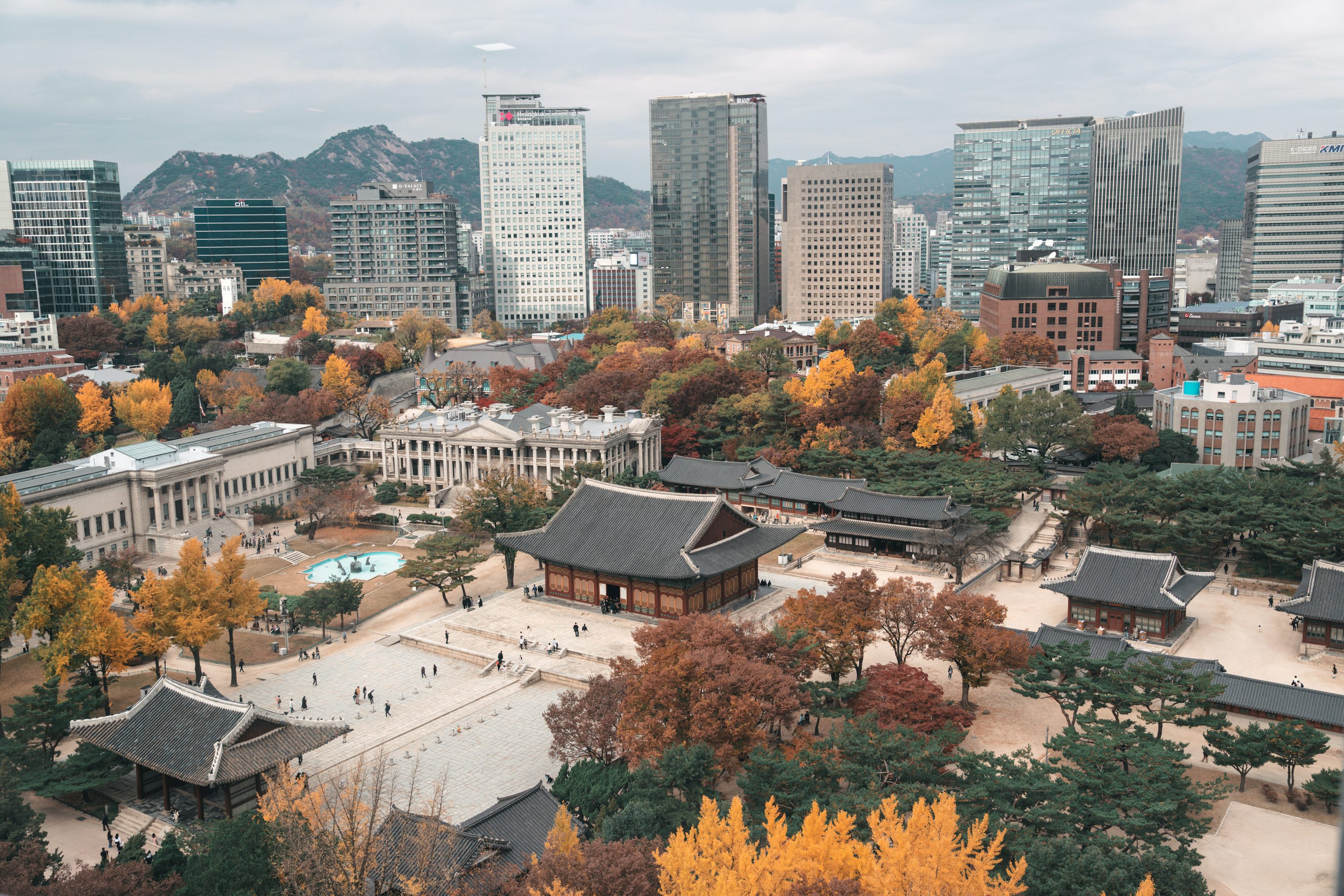
Seoul is South Korea’s clear expat and digital nomad hub, a vast capital where glass towers, mountain trails, palace gates, and neon nightlife all sit on the same subway map. It is fast, efficient, and intensely livable once you learn the neighborhoods, with excellent public transport, strong safety, and some of the best urban convenience in Asia. From Gangnam and Yongsan to Seongsu and Mapo, the city offers very different lifestyles depending on your budget and pace. Seoul also works well as a long term base for exploring the rest of Korea, thanks to KTX rail links and two major airports nearby.
Why Expats Love It
Expats choose Seoul for its world class infrastructure, very low violent crime, reliable internet, and the sheer convenience of daily life, from late night food delivery to spotless subways. Digital nomads like the dense café culture, strong coworking scene, and neighborhoods where you can work all day, then walk to parks, restaurants, or live music at night. The city also has large international communities in areas like Itaewon, Hannam, and parts of Mapo.
Must Dos
The essential, top gem experiences for the full tourist experience.
Gyeongbokgung Palace
Visit Seoul’s grandest royal palace, then walk next door to the National Palace Museum and the Bukchon Hanok Village lanes for a fuller Joseon era picture.
N Seoul Tower
Ride or hike up Namsan for skyline views, especially at sunset, and stroll the Namsan Park trails before heading down toward Myeongdong.
Hongdae Nightlife
Spend an evening around Hongik University, where buskers, indie venues, late cafés, and bars make this one of the city’s liveliest after dark districts.
Changdeokgung Secret Garden
Book the guided Huwon tour at Changdeokgung, a UNESCO listed palace known for its elegant architecture and beautifully preserved rear garden.
Han River Evening
Rent a bike at Yeouido Hangang Park or Ttukseom Hangang Park, then stay for convenience store ramen, river breezes, and city lights.
Gwangjang Market Feast
Eat through classic Seoul street food like bindaetteok and mayak gimbap inside one of the city’s oldest covered markets near Jongno.
Off the Beaten Path
Live like a local. Special, lesser known experiences for adventurers who want real local flavor.
Seochon Alleys
Wander the backstreets west of Gyeongbokgung, where small galleries, old houses, and low key cafés around Tongin Market feel more local than Bukchon.
Euljiro Workshops
Explore the gritty lanes of Euljiro 3 ga, where metal shops and print houses now share blocks with hidden cocktail bars and tiny roasting cafés.
Mangwon Market Morning
Shop and snack with residents at Mangwon Market, then walk to nearby Mangwon Hangang Park for a quieter river experience than Yeouido.
Achasan Sunrise
Hike Achasan in eastern Seoul for an easy local dawn trek with views over the Han River and Lotte World Tower, popular with neighborhood regulars.
Nodeul Island
Cross onto this small cultural island near Yongsan for live performances, design shops, lawn hangouts, and a more relaxed riverfront scene.
Seonyudo Park
Visit this former water treatment plant turned eco park on the Han River, a peaceful green space with industrial remnants and fewer tourists than central parks.
Cost of Living
1-Bedroom Apartment (City Center)
$1150/mo
3-Bedroom Apartment (City Center)
$2550/mo
Restaurant Meal
$18
Monthly Groceries
$320/mo
Monthly Transportation
$48/mo
Monthly Healthcare
$110/mo
Climate
Seoul has four distinct seasons. Summers are hot, humid, and rainy, while winters are cold and dry with occasional snow, and spring and autumn are the most pleasant.
Best Time to Visit
April to May, or late September to October
Visa & Residency
Written for US citizens
US passport holders can usually enter South Korea visa free for short stays, typically up to 90 days, subject to current entry rules and any required pre travel authorization. For longer stays, common routes include work visas sponsored by an employer, student visas, family based visas, and some entrepreneur or investment paths. South Korea has also introduced a Workation Visa option for some remote workers, but rules and eligibility should be checked before planning a long stay.
These notes assume a US passport. If you hold a different nationality, your visa options and timelines may vary. Always confirm current rules with the official embassy or consulate before you commit.
Safety
Seoul is one of the safer major cities in the world, especially for violent crime. The main issues are petty theft in busy nightlife districts, aggressive cult recruiters in some public areas, and seasonal air pollution, especially fine dust days.
Healthcare
Seoul has high quality hospitals and clinics, including major international facilities such as Severance Hospital, Samsung Medical Center, and Seoul National University Hospital. Many doctors in large hospitals speak some English, but private insurance or enrollment in the national system is important for managing costs.
Culture & Lifestyle
Culture
Politeness, social harmony, and respect for age and hierarchy matter in everyday interactions. Basic Korean phrases go a long way, and it is normal to follow local etiquette around quiet public behavior, shared meals, and careful recycling.
Lifestyle
Life in Seoul is convenient, connected, and often fast paced, with long business hours, endless cafés, efficient delivery apps, and easy access to hiking. You can live very urban in Gangnam or Yongsan, or choose a more creative, local feel in neighborhoods like Mangwon, Yeonnam, or Euljiro.
Language
Korean, with some English in expat, business, and tourist areas
Currency
South Korean won (KRW)
Timezone
KST (UTC+9)