
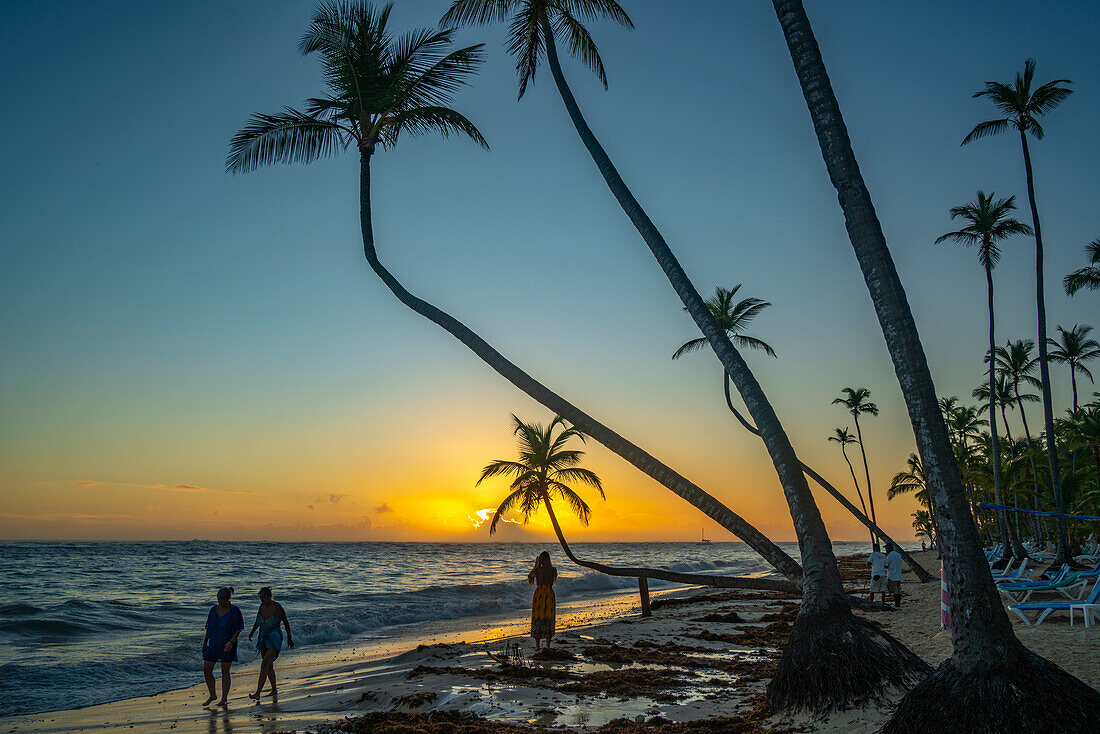
Santo Domingo
 Dominican Republic
Caribbean energy with colonial soul
Overview
Santo Domingo is the Dominican Republic’s capital and the country’s most practical base for expats, remote workers, and long-stay travelers. It blends a UNESCO-listed colonial core with modern business districts, seaside parks, major hospitals, shopping malls, and the best everyday infrastructure in the country. You get year-round tropical weather, strong local culture, and easy access to beaches, although daily life is much more urban than resort-focused. For Americans, it is also one of the easiest places in the Caribbean to settle into a routine with familiar conveniences.
Why Expats Love It
Expats choose Santo Domingo because it offers the best mix of services, international flights, private healthcare, coworking options, and housing variety in the Dominican Republic. Digital nomads like neighborhoods such as Piantini, Naco, and Zona Colonial for cafes, apartments, and reliable day-to-day amenities, while costs still sit well below many US cities.
Must Dos
The essential, top gem experiences for the full tourist experience.
Zona Colonial Walk
Spend a full afternoon wandering Calle Las Damas, Parque Colon, and the Catedral Primada de America, the oldest cathedral in the Americas.
Malecon Sunset
Walk or drive the George Washington Avenue waterfront at sunset, then stop for ocean views and nightlife near the obelisk and seaside lounges.
Alcazar and Museums
Visit Alcazar de Colon and Museo de las Casas Reales for a clear look at the city’s early colonial history in the heart of Zona Colonial.
Three Eyes Cave
Explore Los Tres Ojos National Park, where limestone caverns and vivid blue lagoons sit surprisingly close to the urban core.
National Botanical Garden
Escape the traffic at Jardin Botanico Nacional, a huge green space with palm collections, shaded paths, and a calm lagoon.
Fine Dining Piantini
Book dinner in Piantini or Naco for the capital’s polished side, with standout Dominican and international restaurants plus modern cocktail bars.
Off the Beaten Path
Live like a local. Special, lesser known experiences for adventurers who want real local flavor.
Santa Barbara Streets
Wander the Santa Barbara area just east of Zona Colonial for colorful facades, local colmados, and a more lived-in historic atmosphere.
Mercado Modelo Morning
Go early to Mercado Modelo to browse crafts, herbs, and everyday market energy before the souvenir crowds thicken.
Mirador Sur Routine
Join locals at Parque Mirador Sur in the early evening for walking, biking, and casual street snacks along one of the city’s best urban green corridors.
Calle Hostos Eats
Explore Calle Hostos and nearby side streets in Ciudad Colonial for small Dominican eateries, juice stands, and budget lunch spots used by office workers.
Gazcue Cafe Stop
Spend a quiet morning in Gazcue, where older mansions, tree-lined streets, and low-key cafes offer a break from busier commercial districts.
Santo Domingo Este Waterfront
Head toward the Faro a Colon area and nearby waterfront stretches for a different view of the city, with fewer tourists and more local weekend activity.
Cost of Living
1-Bedroom Apartment (City Center)
$750/mo
3-Bedroom Apartment (City Center)
$1400/mo
Restaurant Meal
$18
Monthly Groceries
$280/mo
Monthly Transportation
$35/mo
Monthly Healthcare
$110/mo
Climate
Santo Domingo has a hot tropical climate all year, with daytime highs usually around the high 80s F. The wettest and muggiest periods are generally May to November, and hurricane season runs from June to November.
Best Time to Visit
December to April
Visa & Residency
Written for US citizens
US passport holders can typically enter the Dominican Republic for tourism without applying for a visa in advance, usually by meeting entry requirements and paying the tourist fee included in many air tickets. Visitors must have a valid passport and proof of onward or return travel may be requested. For longer stays, many expats explore residency options through temporary residence processes, often with local legal help, since overstays can lead to fees and formal residency is better for long-term living.
These notes assume a US passport. If you hold a different nationality, your visa options and timelines may vary. Always confirm current rules with the official embassy or consulate before you commit.
Safety
Santo Domingo is manageable for expats, but petty theft, phone snatching, and opportunistic street crime do happen, especially at night or in less affluent areas. Use rideshare at night, avoid flashing valuables, and be selective about neighborhoods.
Healthcare
Private hospitals and clinics in Santo Domingo are the best in the country, with reputable facilities such as Hospiten Santo Domingo, Centro Medico UCE, and Cedimat. Many expats rely on private insurance or pay out of pocket for routine care, while public facilities are less appealing for most foreigners.
Culture & Lifestyle
Culture
Life is warm, social, and expressive, and greetings matter. Spanish goes a long way, and patience helps because bureaucracy, traffic, and service speed can be inconsistent compared with the US.
Lifestyle
This is a big, busy Caribbean capital with late dinners, loud music, weekend family gatherings, and serious traffic. You can live very comfortably in upscale districts, but the city feels most rewarding if you embrace local food, baseball, merengue, and street life.
Language
Spanish, English in some expat and tourism areas
Currency
Dominican peso (DOP)
Timezone
AST (UTC-4)