Santa Teresa
 Costa Rica
Costa Rica's surf-and-yoga jungle village on the Nicoya Peninsula.
Overview
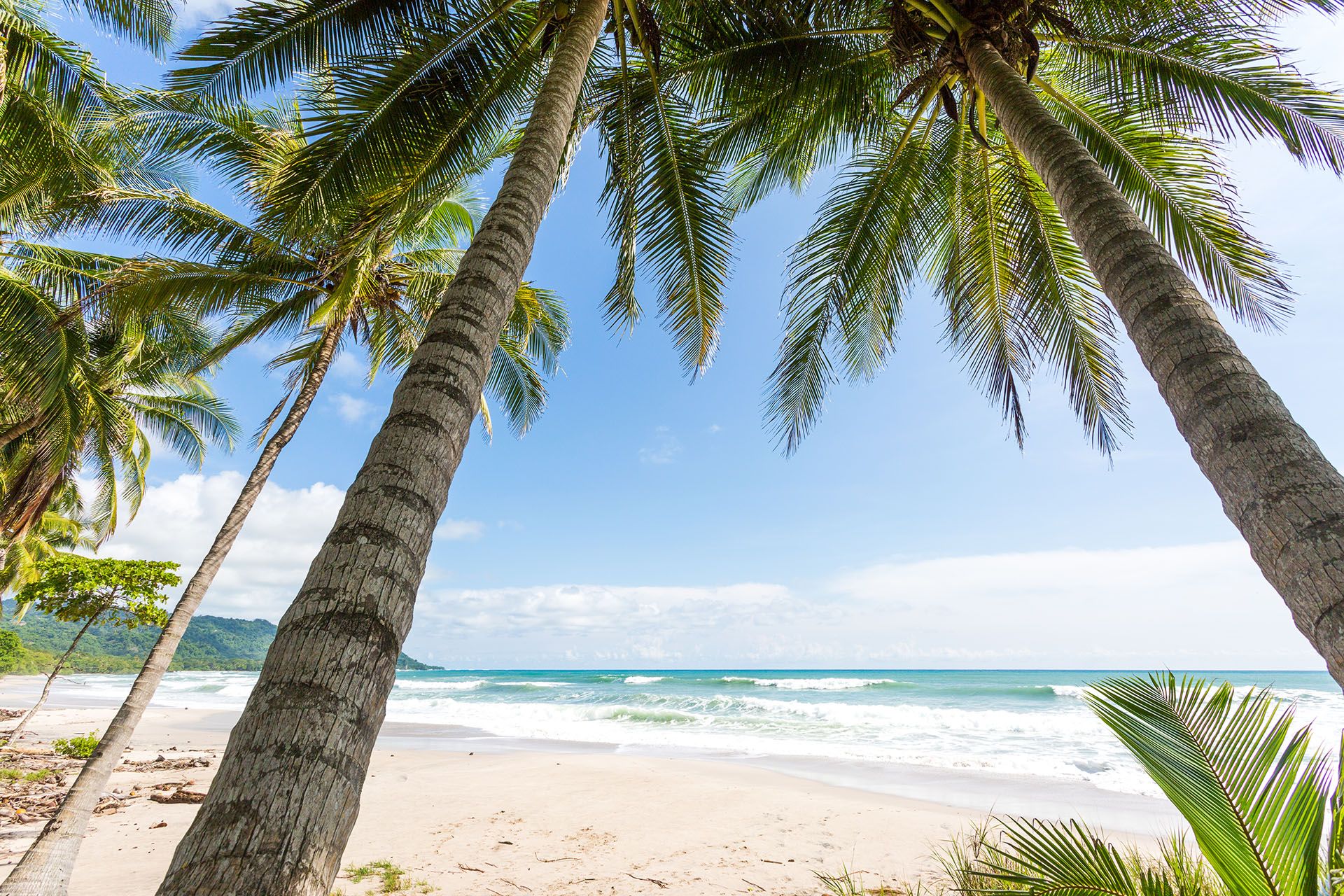
Santa Teresa stretches along a single dirt road on the tip of Costa Rica's Nicoya Peninsula, a village where the Pacific surf breaks right, the jungle canopy hangs overhead, and howler monkeys wake you before the alarm. The town runs on surf, yoga and smoothie bowls, with a strong digital-nomad community that has seeded coworking spaces, health cafes and beach clubs along the main strip. Despite the international crowd, the vibe stays grounded: roads are unpaved, transport is by ATV or bicycle, and the best restaurant might be a roadside soda serving casado. The Nicoya Peninsula is one of the world's five Blue Zones, regions where people live measurably longer, and Santa Teresa's lifestyle of ocean exercise, plant-rich food and community connection makes that longevity easy to believe.
Why Expats Love It
Consistent surf, Blue Zone wellness, thriving nomad community, jungle setting, and a barefoot lifestyle where health comes naturally.
Must Dos
The essential, top gem experiences for the full tourist experience.
Playa Santa Teresa
Surf the consistent beach break that draws riders from around the world.
Sunset at Playa Hermosa
Watch the sun sink into the Pacific from the long golden beach north of town.
Cabo Blanco Nature Reserve
Hike through the oldest protected area in Costa Rica to a wild beach.
Yoga class
Practice at one of the many open-air jungle yoga studios overlooking the ocean.
Montezuma Waterfalls
Day-trip to the triple waterfall and swimming hole in the neighboring village.
Beach-break smoothie bowl
Fuel up on acai, dragon fruit and granola at a surf-side cafe.
Off the Beaten Path
Live like a local. Special, lesser known experiences for adventurers who want real local flavor.
Mal Pais tide pools
Explore the rocky tide pools at low tide in the fishing village next door.
Canopy zip-line tour
Fly through the jungle canopy with views down to the Pacific.
Isla Tortuga boat trip
Snorkel and beach-hop on the pristine island offshore.
Cabuya Island
Walk to the tiny island at low tide to see the rustic island cemetery.
Night jungle walk
Spot frogs, snakes and insects on a guided flashlight hike through the forest.
Nicoya Peninsula farm tour
Visit an organic farm growing cacao, vanilla and tropical fruit.
Cost of Living
1-Bedroom Apartment (City Center)
$600/mo
3-Bedroom Apartment (City Center)
$1100/mo
Restaurant Meal
$10
Monthly Groceries
$250/mo
Monthly Transportation
$50/mo
Monthly Healthcare
$40/mo
Climate
Tropical; dry season December to April, green season May to November.
Best Time to Visit
December to April
Visa & Residency
Written for US citizens
U.S. citizens can typically enter Costa Rica visa-free for up to 90 days as tourists, with no special conditions beyond a valid passport and proof of onward travel. Stays beyond 90 days are not officially renewable in-country, though some visitors have historically extended their time through border runs to Panama or Nicaragua, which resets the tourist period, though this approach is not a guaranteed long-term solution and authorities may scrutinize repeated entries. Costa Rica offers several formal residency routes, including a retirement residency option for those who can demonstrate a qualifying monthly pension income, a rentista category for those with a stable passive income, and an investor residency tied to a qualifying investment in the country. Costa Rica also introduced a digital nomad visa allowing remote workers employed by or providing services to foreign companies to live in the country for up to one year, generally renewable for an additional year. Work permits tied to local employment typically require employer sponsorship and are more complex to obtain. Confirm current income thresholds, application requirements, and program availability with the Costa Rican embassy or consulate before making relocation plans.
These notes assume a US passport. If you hold a different nationality, your visa options and timelines may vary. Always confirm current rules with the official embassy or consulate before you commit.
Safety
Safe village; watch for riptides when surfing and do not leave valuables on the beach.
Healthcare
Small clinic in Cobano; San Jose (5 hours or 30-min flight) for hospitals.
Culture & Lifestyle
Culture
Costa Rican 'pura vida' ethos, Blue Zone wellness culture, surf tradition, and a melting-pot international community.
Lifestyle
Sunrise surf, smoothie-bowl breakfast, jungle cowork, sunset yoga, and community dinners under the stars.
Language
Spanish, English
Currency
CRC/USD
Timezone
UTC-6