
San Miguel de Allende
 Mexico
Mexico's colonial jewel where cobblestones, art galleries and church spires meet.
Overview
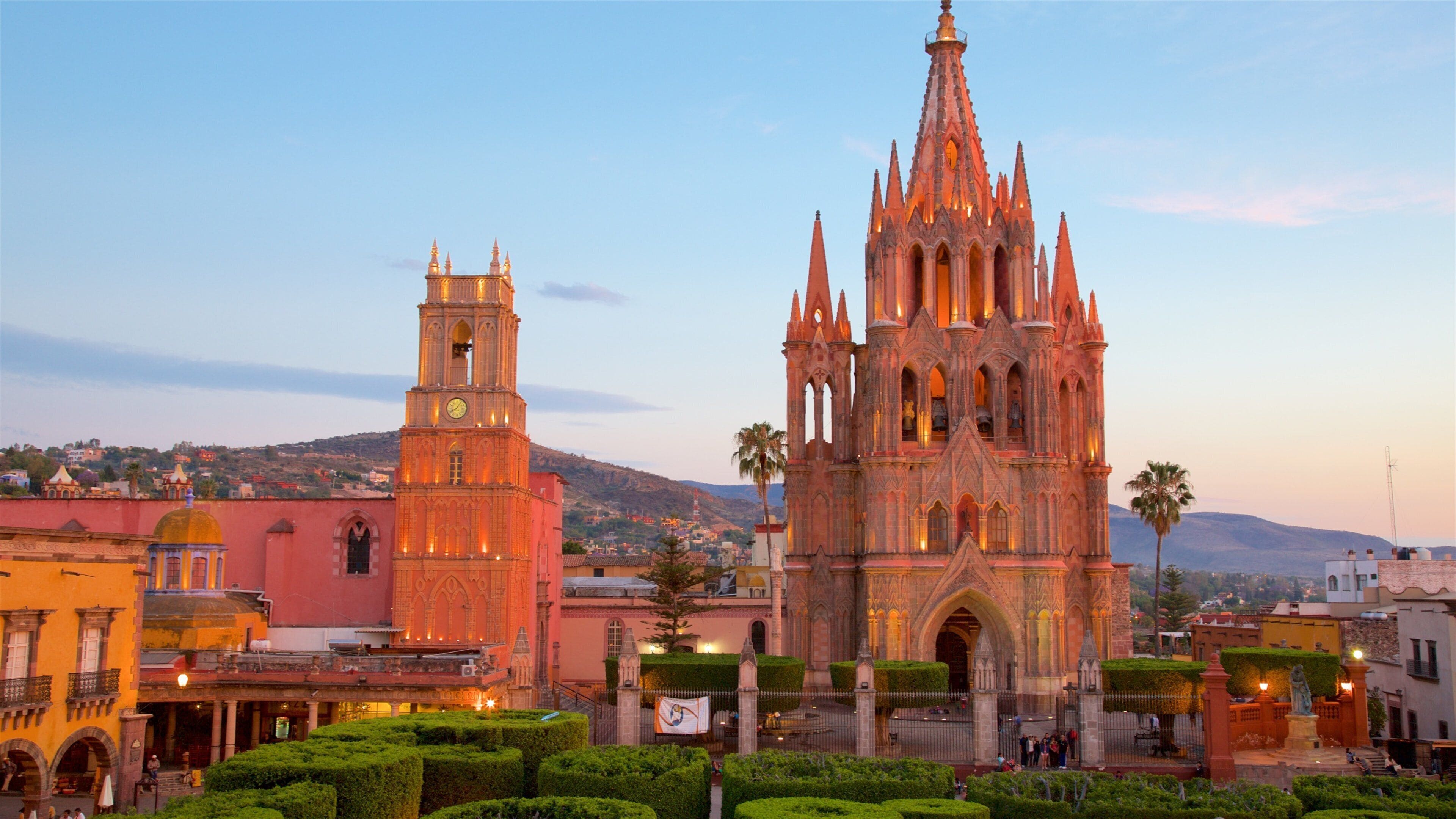
San Miguel de Allende rises from the Mexican highlands in a cascade of terracotta rooftops, bougainvillea-draped walls and the iconic pink-stone spires of the Parroquia de San Miguel Arcangel. The entire town is a UNESCO World Heritage site, its cobblestoned streets lined with galleries, artisan workshops, cooking schools and rooftop restaurants that have made it a magnet for artists and retirees since the 1930s. A well-established North American expat community means English is widely spoken, the restaurant scene rivals larger Mexican cities, and the infrastructure is polished without losing its colonial soul. The central highlands climate delivers near-perfect weather: warm days, cool nights, and almost no rain from November through May.
Why Expats Love It
Stunning colonial architecture, vibrant arts scene, near-perfect climate, established expat community, excellent food, and affordable luxury.
Must Dos
The essential, top gem experiences for the full tourist experience.
Parroquia de San Miguel Arcangel
Admire the neo-Gothic pink-stone parish church, the town's iconic landmark.
Jardin Principal
People-watch in the leafy main plaza as mariachi bands play and vendors sell ice cream.
Fabrica La Aurora
Browse the art galleries and design studios inside a converted textile factory.
Hot springs (La Gruta)
Soak in the thermal cave pools outside town surrounded by agave fields.
Mirador lookout
Climb to the hilltop viewpoint for a panoramic view over the colonial skyline at sunset.
Cooking class
Learn to make mole, tamales and salsas in one of the town's famous culinary schools.
Off the Beaten Path
Live like a local. Special, lesser known experiences for adventurers who want real local flavor.
Cañada de la Virgen
Tour the pre-Hispanic pyramid complex and observatory in the countryside.
Guanajuato day trip
Drive an hour to the colorful university city with its underground streets and mummy museum.
El Charco del Ingenio botanical garden
Walk the canyon-edge garden of native cacti and agave with city views.
Mercado de Artesanias
Shop the handicraft market for Talavera pottery, tin mirrors and woven textiles.
Atotonilco Sanctuary
Visit the 'Sistine Chapel of Mexico,' a Baroque church covered in vivid frescoes.
Vineyards of Queretaro
Wine-taste at the boutique vineyards an hour's drive south in Mexico's emerging wine region.
Cost of Living
1-Bedroom Apartment (City Center)
$600/mo
3-Bedroom Apartment (City Center)
$1100/mo
Restaurant Meal
$8
Monthly Groceries
$200/mo
Monthly Transportation
$30/mo
Monthly Healthcare
$40/mo
Climate
Subtropical highland; warm days, cool nights, dry November to May.
Best Time to Visit
October to May
Visa & Residency
Written for US citizens
U.S. citizens can typically enter Mexico visa-free for up to 180 days as tourists, with the exact length often determined by the immigration officer at the port of entry. Mexico does not currently offer a dedicated digital nomad visa, but many remote workers stay long-term by transitioning to a Temporary Resident visa, which is generally valid for one to four years and can lead to permanent residency after four years. Retirees and those with passive income commonly qualify for Temporary Residency under an income-based route, though specific thresholds change periodically. Work permits are available but typically require employer sponsorship. Border runs to reset tourist entry are possible but not guaranteed, as officers have discretion over the days granted. Confirm current income requirements and residency procedures with the Mexican consulate before relocating.
These notes assume a US passport. If you hold a different nationality, your visa options and timelines may vary. Always confirm current rules with the official embassy or consulate before you commit.
Safety
One of Mexico's safest cities for expats; cobblestone streets require careful footing.
Healthcare
Hospital de la Fe and private clinics offer good care; Queretaro (1 hour) for advanced procedures.
Culture & Lifestyle
Culture
Colonial Baroque architecture, thriving contemporary-art scene, traditional Mexican fiestas, and a renowned cooking-school culture.
Lifestyle
Morning gallery walks, rooftop breakfasts, cooking classes, hot-spring soaks, and mezcal sunsets.
Language
Spanish, English
Currency
MXN
Timezone
UTC-6