
Salvador
 Brazil
Afro Brazilian capital of drums, capoeira and baroque colour
Overview
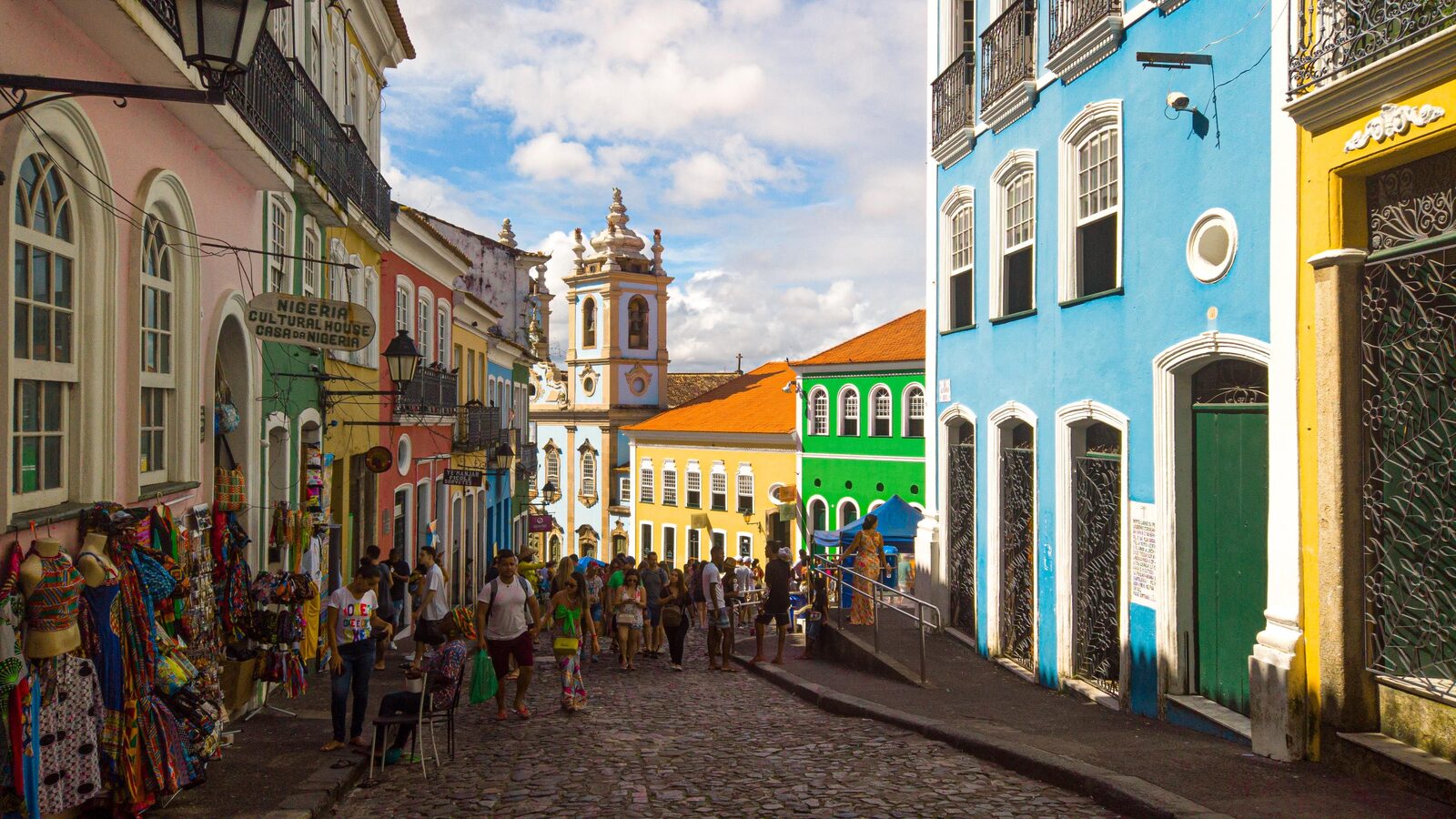
Salvador was Brazil's first capital and the main port of the transatlantic slave trade, which makes it the most African city in the Americas. That heritage is alive in candomble religion, capoeira, acaraje street food and the drumming blocos that fill the streets. The Pelourinho old town is a UNESCO listed cluster of pastel baroque buildings on a cliff above All Saints Bay, connected to the lower city by a 1873 art deco elevator. Beaches run for kilometres along the Atlantic side. Carnival here is the largest street party on earth and it happens on the streets, not in a stadium.
Why Expats Love It
Extraordinary Afro Brazilian culture, year round warmth, beaches and very low living costs.
Must Dos
The essential, top gem experiences for the full tourist experience.
Pelourinho
Cobbled baroque streets, the gilded Sao Francisco church and free Tuesday night street music.
Elevador Lacerda
The 1873 elevator linking the upper and lower city, with a view across the whole bay.
Mercado Modelo and Capoeira
Craft stalls above the old customs house, with capoeira rodas in the square.
Carnival
Six days of trio eletrico trucks and drumming blocos through the streets, the biggest in the world.
Praia do Forte
Sea turtle conservation and calm reef pools an hour north.
Bonfim Church
Ribbons tied to the railings by the thousand, the syncretic heart of Bahian faith.
Off the Beaten Path
Live like a local. Special, lesser known experiences for adventurers who want real local flavor.
Ilha de Itaparica
A ferry to an island of mango trees, fishing villages and empty bay beaches.
Solar do Unhao and MAM
A colonial sugar estate on the water hosting modern art and Saturday jazz.
Rio Vermelho at Night
The neighbourhood where locals actually eat and drink, far from the tourist centre.
Dique do Tororo
Orixa sculptures standing in a lake beside the stadium, lit at night.
Casa do Rio Vermelho
Jorge Amado's home, preserved as the great Bahian novelist left it.
Terreiro Visit with a Guide
Candomble ceremonies open to respectful visitors, best arranged through a local contact.
Cost of Living
1-Bedroom Apartment (City Center)
$320/mo
3-Bedroom Apartment (City Center)
$680/mo
Restaurant Meal
$7
Monthly Groceries
$230/mo
Monthly Transportation
$40/mo
Monthly Healthcare
$110/mo
Climate
Tropical, hot and humid year round with heaviest rain from April to July
Best Time to Visit
September to March for dry warm weather, with Carnival in February or March
Visa & Residency
Written for US citizens
Visa free entry of 90 days for many nationalities, extendable to 180 per year. Brazil's digital nomad visa allows a one year renewable stay for qualifying remote earners.
These notes assume a US passport. If you hold a different nationality, your visa options and timelines may vary. Always confirm current rules with the official embassy or consulate before you commit.
Safety
Street crime is a genuine concern, particularly at night and in the historic centre. Travel light, use rideshare after dark and take local advice on neighbourhoods.
Healthcare
Private hospitals such as Hospital Aliansa provide decent care cheaply. The public system is overloaded, so a private plan is strongly advised.
Culture & Lifestyle
Culture
Baianos are warm, expressive and unhurried. Candomble terreiros are active religious spaces deserving respect, and music is woven through daily life.
Lifestyle
Beach mornings, acaraje from a Bahiana in white lace, drumming rehearsals on Tuesday nights. Weekends mean island ferries, Praia do Forte or the Chapada Diamantina.
Language
Portuguese, with very limited English
Currency
Brazilian Real (BRL)
Timezone
BRT (UTC-3)