Rabat
 Morocco
Morocco's capital where Andalusian gardens meet Atlantic breakers.
Overview
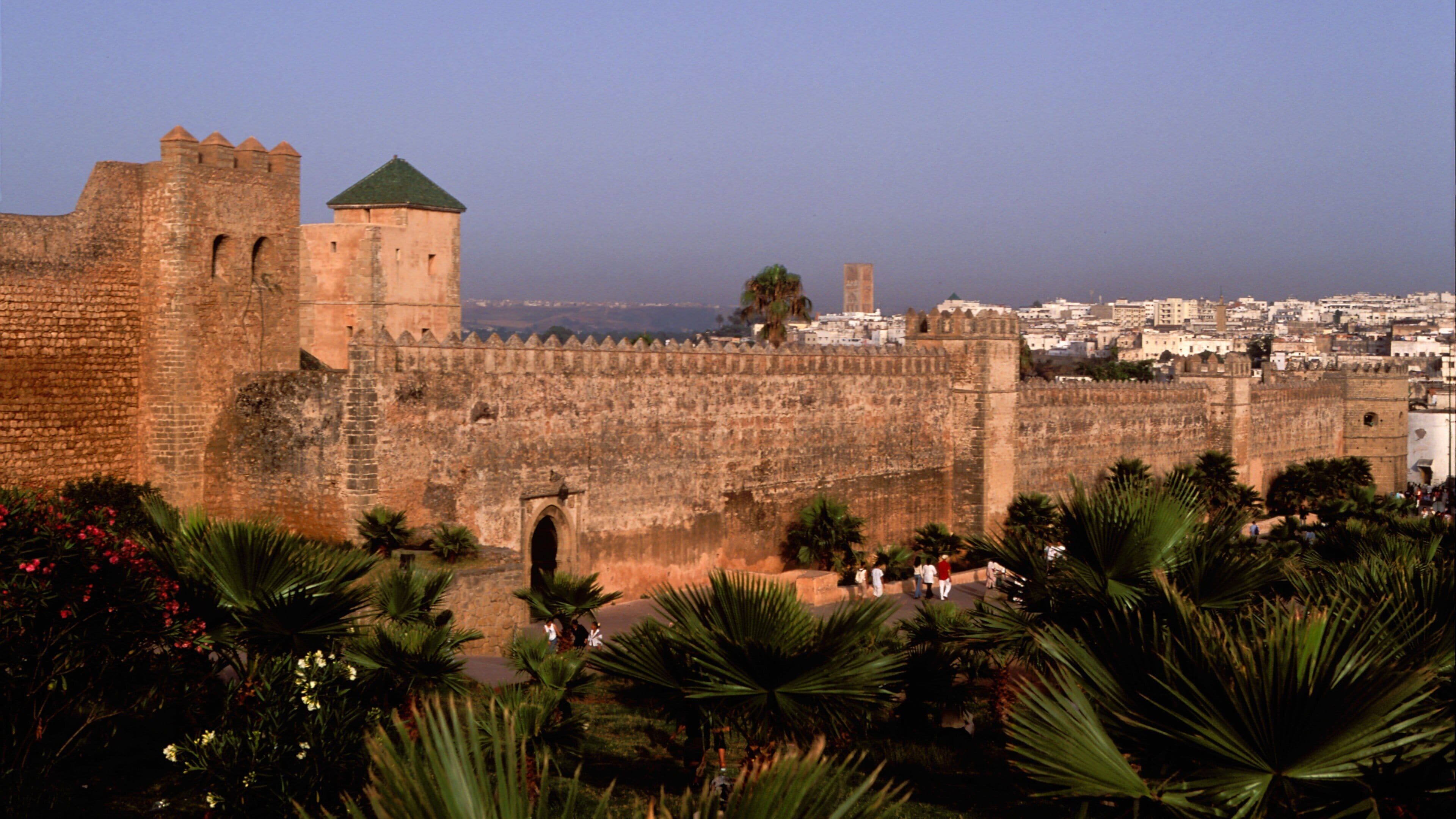
Rabat, Morocco's political capital, delivers the country's cultural depth without the tourist intensity of Marrakech or Fes. The walled Kasbah of the Udayas, painted in blue and white, tumbles down to the mouth of the Bou Regreg River where it meets the Atlantic. Nearby, the unfinished Hassan Tower and the modernist Mohammed VI Museum of Modern and Contemporary Art bracket centuries of history in a single walk. The Ville Nouvelle adds French-colonial boulevards, craft cooperatives and a diplomatic-quarter calm. For expats, Rabat is one of North Africa's most livable cities: orderly, well connected by high-speed rail, with quality healthcare and an emerging cafe culture along the Corniche.
Why Expats Love It
Capital-city amenities without tourist chaos, Atlantic-coast climate, rich history, excellent food, and Morocco's best public transport.
Must Dos
The essential, top gem experiences for the full tourist experience.
Kasbah of the Udayas
Wander the blue-and-white Andalusian quarter overlooking the river and Atlantic.
Hassan Tower
Stand before the 12th-century unfinished minaret and the Mohammed V Mausoleum.
Chellah
Explore the Roman and medieval ruins overgrown with stork nests and fig trees.
Mohammed VI Museum (MMVI)
View Morocco's premier modern-art collection in a striking contemporary building.
Rabat Medina
Shop for leather, ceramics and carpets in a medina far less pressured than Fes or Marrakech.
Sale across the river
Walk over to Rabat's sister city for its Grand Mosque and quieter souks.
Off the Beaten Path
Live like a local. Special, lesser known experiences for adventurers who want real local flavor.
Jardin d'Essais Botaniques
Stroll the peaceful botanical gardens originally designed during the French Protectorate.
Plage des Nations
Surf or swim at the wide Atlantic beach north of the city.
Oudaia Museum
See Moroccan jewelry, textiles and ceramics inside the Kasbah's 17th-century palace.
Bou Regreg Marina
Walk the modern waterfront promenade linking Rabat and Sale with restaurants and boat rides.
Villa des Arts
Catch rotating exhibitions in a restored art-deco villa.
Temara Forest
Hike or mountain-bike the cork-oak trails just south of the city.
Cost of Living
1-Bedroom Apartment (City Center)
$400/mo
3-Bedroom Apartment (City Center)
$750/mo
Restaurant Meal
$5
Monthly Groceries
$150/mo
Monthly Transportation
$30/mo
Monthly Healthcare
$35/mo
Climate
Mediterranean-Atlantic; mild winters, warm summers, sea breezes year-round.
Best Time to Visit
April to June, September to November
Visa & Residency
Written for US citizens
U.S. passport holders can typically enter Morocco visa-free for up to 90 days, with no special conditions required beyond a valid passport. Morocco does not currently offer a dedicated digital nomad visa, but long-stay options do exist. Foreign nationals who wish to stay beyond the tourist allowance generally need to apply for a residence card, known as a carte de séjour, which is commonly tied to employment, study, family reunification, or retirement. Work permits typically require employer sponsorship and are arranged through Moroccan labor authorities. There is no widely established formal retirement visa program, though retirees may qualify for residency through other routes if they can demonstrate sufficient income. Border runs are generally not a reliable long-term strategy, as authorities may scrutinize frequent re-entries. Verify current requirements with the Moroccan embassy or consulate before making relocation plans.
These notes assume a US passport. If you hold a different nationality, your visa options and timelines may vary. Always confirm current rules with the official embassy or consulate before you commit.
Safety
Safer than most Moroccan cities; petty crime exists near the medina after dark.
Healthcare
Several private clinics and the Ibn Sina University Hospital offer quality care.
Culture & Lifestyle
Culture
Andalusian-Moroccan heritage, UNESCO Kasbah, royal palace traditions, and a contemporary art scene anchored by MMVI.
Lifestyle
Morning runs along the Corniche, medina coffee stops, gallery afternoons, and sunset at the Kasbah.
Language
Arabic, French, Amazigh
Currency
MAD
Timezone
UTC+1