
Prague
 Czech Republic
Storybook architecture, strong infrastructure, and Central Europe access in one of the region’s most livable capitals.
Overview
Prague blends Gothic and Baroque beauty with a modern, highly functional urban lifestyle, making it a top choice for expats and remote workers in Europe. The city offers reliable public transport, a strong café culture, good safety, and easier day to day living than many Western European capitals. Its central location makes weekend travel simple, while neighborhoods beyond the historic center provide a more local and affordable base. Prague appeals to people who want culture, walkability, and a high quality of life without London or Paris level costs.
Why Expats Love It
Expats love Prague for its efficient transit, beautiful architecture, lively beer and café scene, and convenient rail and air links across Europe. It also offers solid internet, good healthcare, and a broad range of neighborhoods from historic core districts to greener residential areas.
Must Dos
The essential, top gem experiences for the full tourist experience.
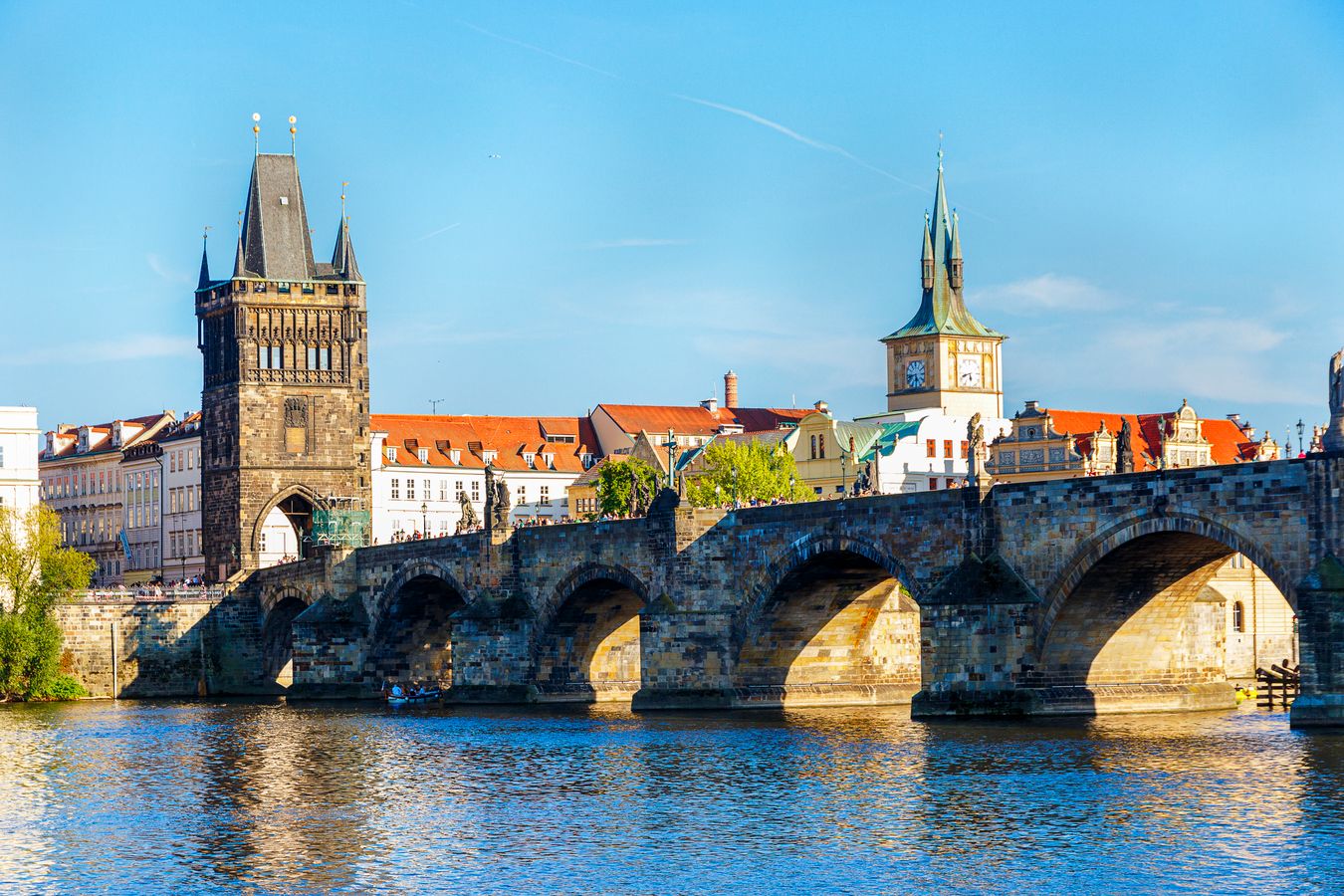
Charles Bridge at Dawn
Walk Karluv most just after sunrise, when the statues, Vltava views, and Gothic towers are at their most atmospheric and the crowds are still thin. Continue into Mala Strana for quiet lanes and classic postcard views back toward Prague Castle.
Prague Castle and St. Vitus
Spend a half day in Prazsky hrad exploring St. Vitus Cathedral, Old Royal Palace, St. George's Basilica, and Golden Lane. From Hradcany, stop at the castle ramparts for one of the best panoramas over the red rooftops of the Old Town.
Old Town Square Clock
Stand in Staromestske namesti to see the Astronomical Clock on the Old Town Hall, then climb the tower for sweeping views over Prague's church spires. The square also puts you steps from Tyn Church, Kinsky Palace, and the tangle of medieval lanes around Celetna.
Jewish Quarter Synagogues
Visit Josefov for the Old Jewish Cemetery, the Spanish Synagogue, and the Old New Synagogue, one of Europe's oldest active synagogues. The area gives important context to Prague's Jewish history in a compact and powerful walk.
Petrin Hill and Tower
Ride the funicular from Ujezd up Petrin, then climb Petrin Tower for a hilltop view that feels like Prague's answer to Paris. The parkland, rose garden, and Mirror Maze make this a classic city escape with great skyline vistas.
National Theatre Riverfront
See the golden crowned Narodni divadlo from the embankment and stroll the riverside between Most Legii and Slovansky ostrov. In the evening, catch an opera, ballet, or drama performance in one of Prague's most symbolic cultural landmarks.
Off the Beaten Path
Live like a local. Special, lesser known experiences for adventurers who want real local flavor.
Naplavka Saturday Market
Head to Naplavka on the Rašinovo nabrezi riverbank on Saturday morning for local produce, kolace, coffee, and drinks from moored boats. Prague residents come here to linger by the Vltava, not just to sightsee.
Explore Holesovice Dox
Spend a day in Holesovice visiting DOX Centre for Contemporary Art, then walk through the district's former industrial streets to cafes and design spaces around Delnicka and Komunardu. It shows a creative, changing Prague far from the medieval core.
Karlin Cafes and Kasarna
Wander Karlin's broad streets around Krizikova, where former factories now house excellent cafes, bakeries, and bistros. If open, stop at Kasarna Karlin, a relaxed courtyard hangout in a converted barracks with drinks, screenings, and a neighborhood feel.
Vysehrad Ramparts Walk
Skip the castle crowds and walk the fortress walls at Vysehrad for expansive river and city views. Visit the Basilica of St. Peter and St. Paul and the Slavín Cemetery, then have a beer in the park like many Prague locals do.
Manifesto Smichov Eats
For a current local food scene, try Manifesto Market near Andel in Smichov, where Prague chefs and bartenders gather in a lively open air setting. It is a good place to sample modern Czech bites, natural wine, and craft cocktails in one stop.
Beer and Svíčková in Vinohrady
Spend an evening in Vinohrady, especially around Jiriho z Podebrad and Korunni, where residents go for neighborhood pubs and less touristy dining. Order svíčková or řízek with a tank beer in a classic hospoda and linger without the Old Town markup.
Cost of Living
1-Bedroom Apartment (City Center)
$1050/mo
3-Bedroom Apartment (City Center)
$1900/mo
Restaurant Meal
$18
Monthly Groceries
$280/mo
Monthly Transportation
$25/mo
Monthly Healthcare
$80/mo
Climate
Prague has a temperate continental climate with four distinct seasons. Winters are cold and often gray, while summers are pleasantly warm rather than extreme.
Best Time to Visit
May to June, September to October
Visa & Residency
Written for US citizens
Americans can enter the Czech Republic visa free for up to 90 days within any 180 day period in the Schengen Area. For longer stays, common legal routes include a long term visa or residence permit tied to study, employment, family reunification, or business and freelance activity through a trade license, often called a zivnostenske opravneni. The Czech Republic does not currently offer a dedicated digital nomad visa for general remote workers from the US.
These notes assume a US passport. If you hold a different nationality, your visa options and timelines may vary. Always confirm current rules with the official embassy or consulate before you commit.
Safety
Prague is considered one of Europe’s safer capitals, with violent crime relatively low. The main issues for newcomers are pickpocketing, tourist scams, and late night petty theft in crowded central areas and on transit.
Healthcare
Healthcare quality is strong, especially in Prague, where both public and private facilities are available. Expats often use private clinics for faster appointments and English speaking staff, and long stay residents may need approved health insurance depending on visa status.
Culture & Lifestyle
Culture
Czechs can seem reserved at first, but relationships usually warm with time and consistency. Learning some basic Czech helps with bureaucracy and everyday interactions, even though many younger residents speak English.
Lifestyle
Daily life in Prague is walkable, transit friendly, and centered around neighborhood cafés, pubs, parks, and seasonal markets. The pace is generally calmer than in larger global capitals, but the city still offers plenty of nightlife, arts, and international community events.
Language
Czech, English is common in expat, tourism, and younger professional circles
Currency
Czech Koruna (CZK)
Timezone
CET (UTC+1), CEST (UTC+2) in summer
Community Discussions
Making friends after 30 in Prague
Prague is beautiful and easy to live in, but I am finding the social side slower than my last base. For those who stayed longer, how did you build a real circle beyond the transient nomad crowd? Language exchanges, hobby groups, sports leagues? Would love to hear what actually led to lasting friendships.
Recurring activities beat one-off meetups every time. A weekly class or a sports league puts you in front of the same faces until acquaintances turn into friends.
Language exchange nights were my way in. You meet locals who actually want to talk to foreigners, which is half the battle.