
Port of Spain
 Trinidad and Tobago
Caribbean energy with urban edge
Overview
Port of Spain is the clear expat hub of Trinidad and Tobago, combining business, culture, nightlife, and the country’s best urban services in one compact waterfront capital. It is the commercial heart of Trinidad, with embassies, coworking-friendly cafes, major hospitals, and the widest choice of rentals. The city is lively, diverse, and distinctly Caribbean, with everything from steelpan and Carnival culture to upscale neighborhoods climbing the hills above the Gulf of Paria. For long-term visitors, it offers the easiest landing point for daily life, networking, and travel around the island.
Why Expats Love It
Expats and digital nomads choose Port of Spain because it has the best infrastructure in the country, the strongest international community, and the easiest access to private healthcare, supermarkets, and professional services. Neighborhoods like Woodbrook, St. Clair, Newtown, and Diego Martin give newcomers practical places to live while keeping restaurants, nightlife, and beaches within reach.
Must Dos
The essential, top gem experiences for the full tourist experience.
Queen's Park Savannah
Walk the Savannah at sunset, then see the Magnificent Seven mansions and the Grand Stand area that anchors Carnival season in Port of Spain.
Ariapita Avenue Lime
Spend an evening on Ariapita Avenue in Woodbrook, where bars, local restaurants, and street food stalls show off the city’s social side.
Maracas Bay Trip
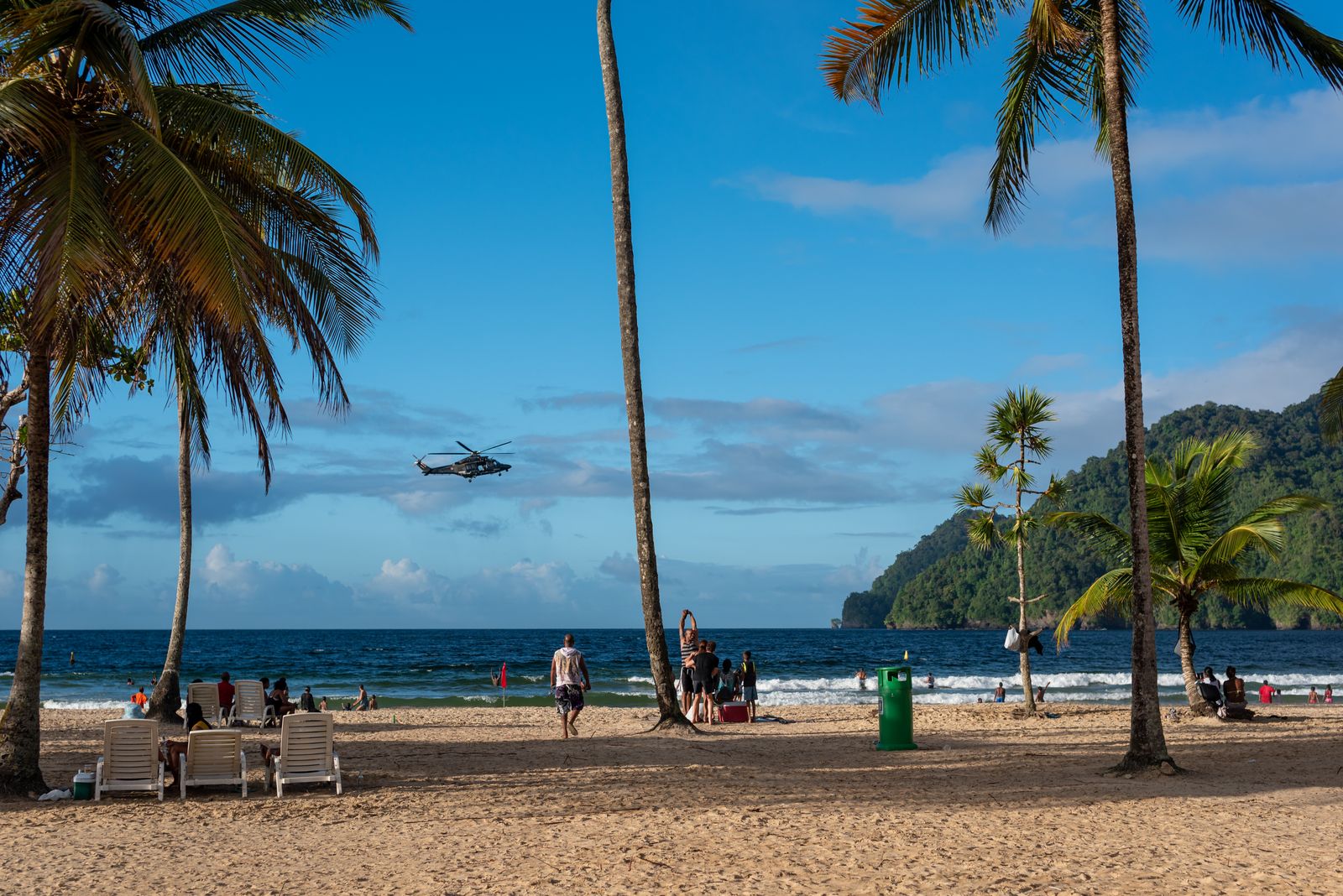
Drive over the Northern Range to Maracas Bay for a beach day and an original bake and shark from the long-running vendors near the sand.
Fort George Viewpoint
Visit Fort George above St. James for one of the best panoramic views over Port of Spain, the Gulf of Paria, and the western peninsula.
National Museum Stop
Explore the National Museum and Art Gallery on Frederick Street to get a grounded introduction to Trinidad’s history, art, and Carnival traditions.
Carnival Mas Experience
If you are in town before Lent, join a mas band event or J'ouvert-related celebration and experience the city at its most creative and electric.
Off the Beaten Path
Live like a local. Special, lesser known experiences for adventurers who want real local flavor.
St. James After Hours
Explore the stretch around Western Main Road in St. James, known as the city that never sleeps, for roti shops, doubles vendors, and late-night local energy beyond the tourist core.
Mount St. Benedict
Head east of the city to Mount St. Benedict in Tunapuna for quiet hill views, a historic monastery, and a peaceful contrast to Port of Spain traffic and noise.
Diego Martin Market Run
Shop where locals do in Diego Martin for produce, snacks, and everyday errands, then stop for street food in the surrounding neighborhood.
Lady Chancellor Walks
Drive or hike in the Lady Chancellor and nearby hills for breezier residential views, glimpses of upscale homes, and a feel for how many long-term expats actually live.
Green Corner Coffee Stop
Spend a slow morning at Green Corner in St. James, a well-liked local cafe where remote workers, creatives, and regulars overlap.
Chaguaramas Boardwalk
Go west to the Chaguaramas area for waterside walks, casual food spots, and a more local weekend rhythm around the marina and peninsula.
Cost of Living
1-Bedroom Apartment (City Center)
$900/mo
3-Bedroom Apartment (City Center)
$1800/mo
Restaurant Meal
$20
Monthly Groceries
$300/mo
Monthly Transportation
$45/mo
Monthly Healthcare
$140/mo
Climate
Port of Spain has a hot tropical climate year-round, with daytime temperatures usually around 86 to 91 F. The drier season runs roughly from January to May, while June to December is wetter and more humid, though Trinidad lies south of the main hurricane belt.
Best Time to Visit
January to May, especially Carnival season
Visa & Residency
Written for US citizens
US passport holders do not need a visa for short tourist stays in Trinidad and Tobago, typically up to 90 days on entry, subject to immigration approval. For longer stays, extensions may be possible through local immigration authorities, but there is no straightforward digital nomad visa. Anyone planning remote work for an extended period should confirm current rules and work permissions before arrival.
These notes assume a US passport. If you hold a different nationality, your visa options and timelines may vary. Always confirm current rules with the official embassy or consulate before you commit.
Safety
Port of Spain has real crime concerns, including armed robbery and gang-related violence in certain areas, and parts of the city are under periodic travel advisories. Most expats live in more secure neighborhoods, use cars or trusted taxis at night, and avoid high-risk districts and isolated areas after dark.
Healthcare
Private healthcare in and around Port of Spain is generally the best in the country for expats, with reputable private clinics and specialists available. Public facilities exist but can involve longer waits and a less comfortable experience, so most foreigners rely on private insurance and private hospitals.
Culture & Lifestyle
Culture
This is one of the most culturally vibrant cities in the Caribbean, shaped by Afro-Trinidadian, Indo-Trinidadian, European, Chinese, Syrian-Lebanese, and other influences. Social life is warm and expressive, and Carnival, parang, soca, chutney, and food culture are part of everyday identity, not just tourism.
Lifestyle
Life in Port of Spain mixes workweek practicality with a very social, outdoorsy rhythm. You can spend weekdays in cafes and meetings, then head for liming spots in Ariapita Avenue, hikes in the Northern Range, or beach trips west toward Maracas and Chaguaramas.
Language
English, with Trinidadian Creole widely spoken
Currency
Trinidad and Tobago dollar (TTD)
Timezone
AST (UTC-4)