Port Moresby
 Papua New Guinea
Pacific frontier living with harbor views
Overview
Port Moresby is the practical expat hub of Papua New Guinea and the city where most foreigners base themselves for work, government, aid, and regional business. Set on the southeast coast, it is a spread-out capital of seaside suburbs, hills, embassies, compounds, shopping centers, and a surprisingly good food scene by local standards. It is not a classic nomad city with cafe-filled walkable districts, but it is the place with the best infrastructure, strongest flight connections, and the widest range of international services in the country.
Why Expats Love It
Expats choose Port Moresby because it concentrates the country's best housing, private schools, supermarkets, hospitals, banks, and secure office space. For long-term travelers and remote workers with a PNG-specific project, it is the easiest base for domestic flights to the islands, diving areas, and Highlands, while still offering reliable hotels, serviced apartments, and business amenities.
Must Dos
The essential, top gem experiences for the full tourist experience.
National Museum Visit
Explore the Papua New Guinea National Museum and Art Gallery in Waigani to see Sepik carvings, ceremonial masks, and artifacts that make sense of the country's immense cultural diversity.
Nature Park Walk
Spend a morning at Port Moresby Nature Park in Gerehu, where rescued tree kangaroos, cassowaries, and orchids offer one of the easiest introductions to PNG wildlife.
Ela Beach Sunset
Head to Ela Beach and the nearby waterfront promenade in the late afternoon for sea views, local families, and one of the city's best sunset spots.
Varirata Day Trip
Take a trip up to Varirata National Park in the hills outside the city for birdwatching, forest lookouts, and cooler air above the capital.
Yacht Club Lunch
Have lunch at the Royal Papua Yacht Club, a classic expat institution on the harbor where you can watch boats, yachts, and working waterfront life.
Bomana History Stop
Visit Bomana War Cemetery just outside Port Moresby, a beautifully kept Commonwealth cemetery that gives important context to the New Guinea campaigns of World War II.
Off the Beaten Path
Live like a local. Special, lesser known experiences for adventurers who want real local flavor.
Koki Fish Market
Visit Koki in the morning to see one of the city's most local markets, where vendors sell fresh reef fish, crab, and produce brought in from nearby coastal communities.
Harbourside Evenings
Walk the Harbourside precinct near downtown for a more polished local hangout, with coffee shops, restaurants, and harbor views popular with residents after work.
Gordons Market Run
Stop by Gordons Market for an everyday look at city trade, with highland vegetables, betel nut, and household goods moving through one of Port Moresby's busiest commercial areas.
Taurama Coast Drive
Take a daytime drive toward Taurama and the coast for a different view of the city, with ocean outlooks and quieter stretches beyond the usual business districts.
Aviat Club Scene
If you have local contacts or access, spend an evening at the Aviat Club, a long-standing social spot where businesspeople and residents gather for drinks and conversation.
Paga Hill Viewpoint
Go up to Paga Hill for wide views over Fairfax Harbour and the city skyline, especially in late afternoon when the light is best and the heat eases.
Cost of Living
1-Bedroom Apartment (City Center)
$1800/mo
3-Bedroom Apartment (City Center)
$3500/mo
Restaurant Meal
$20
Monthly Groceries
$450/mo
Monthly Transportation
$60/mo
Monthly Healthcare
$250/mo
Climate
Port Moresby is tropical but drier than many parts of Papua New Guinea, with warm temperatures year-round. The drier season usually runs from May to October, while the wetter months are typically December to March.
Best Time to Visit
May to October
Visa & Residency
Written for US citizens
US passport holders generally need valid travel authorization before or on arrival depending on current immigration policy and purpose of visit, so check the latest Papua New Guinea Immigration and Citizenship Authority rules before departure. Tourist entry is usually straightforward for short stays with proof of onward travel and sufficient funds. For longer stays, remote work, business, or employment, you will typically need a business visa, work permit, or employer-sponsored authorization, and overstays are taken seriously.
These notes assume a US passport. If you hold a different nationality, your visa options and timelines may vary. Always confirm current rules with the official embassy or consulate before you commit.
Safety
Port Moresby has a long-standing reputation for serious crime, including armed robbery, carjacking, and opportunistic theft, and many governments advise increased caution. Most expats live with security measures, use trusted drivers or hotel transport, avoid walking at night, and stick to known safe compounds, malls, and business areas.
Healthcare
Basic to moderate private care is available in Port Moresby, including facilities such as Pacific International Hospital, but specialist services can be limited. Many expats carry evacuation-capable insurance and plan for treatment in Australia or Singapore for major emergencies or complex care.
Culture & Lifestyle
Culture
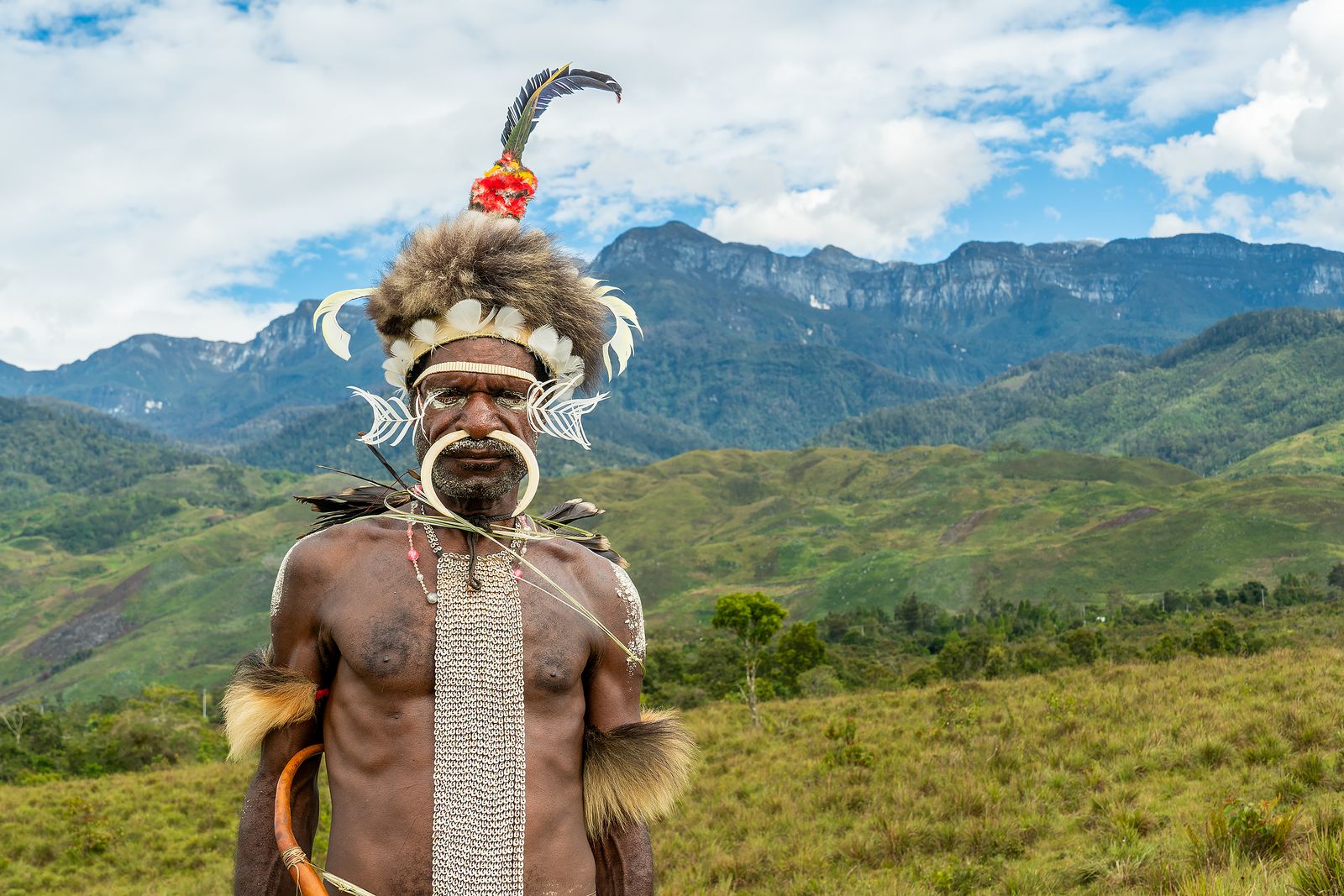
Papua New Guinea is one of the world's most culturally diverse countries, and Port Moresby brings together people from many provinces with very different languages and traditions. Respectful dress, polite greetings, and sensitivity around tribal, land, and community identities go a long way.
Lifestyle
Life in Port Moresby is centered around secure residential areas, clubs, compounds, shopping malls, and waterfront venues rather than street life. Weekends often mean yacht club lunches, resort day trips, diving, birdwatching, or domestic flights to other parts of the country.
Language
English, Tok Pisin, Motu
Currency
Papua New Guinean kina (PGK)
Timezone
PGT (UTC+10)