
Phuket
 Thailand
Thailand's largest island, offering Andaman beaches, an established expat infrastructure, and year-round tropical living.
Overview
Phuket is an island the size of Singapore connected to the mainland by bridge, and it has become the most developed long-stay base in southern Thailand. Where Bangkok gives you a megacity and Chiang Mai gives you mountains and cheap living, Phuket gives you a beach commute plus real infrastructure: international hospitals, international schools, a busy airport, and a large permanent foreign community. The island splits clearly by area, with Patong dedicated to mass tourism, Rawai and Nai Harn favored by long-term residents and families, Bang Tao and Cherng Talay hosting the upscale and coworking crowd, and Phuket Town holding the Sino-Portuguese old quarter and everyday Thai life. Costs are higher than the Thai mainland but low against Western income, and a scooter or car is essential.
Why Expats Love It
Expats love Phuket for tropical beach living with adult infrastructure behind it, meaning good hospitals, reliable internet, direct flights, and schools. The diving, sailing, Muay Thai gyms, and access to the Phang Nga and Krabi coastlines keep it from feeling like a resort strip once you live away from Patong.
Must Dos
The essential, top gem experiences for the full tourist experience.
Phuket Old Town
Walk the Sino-Portuguese shophouse streets of Phuket Old Town along Thalang Road, and come back for the Sunday walking street market.
Phang Nga Bay
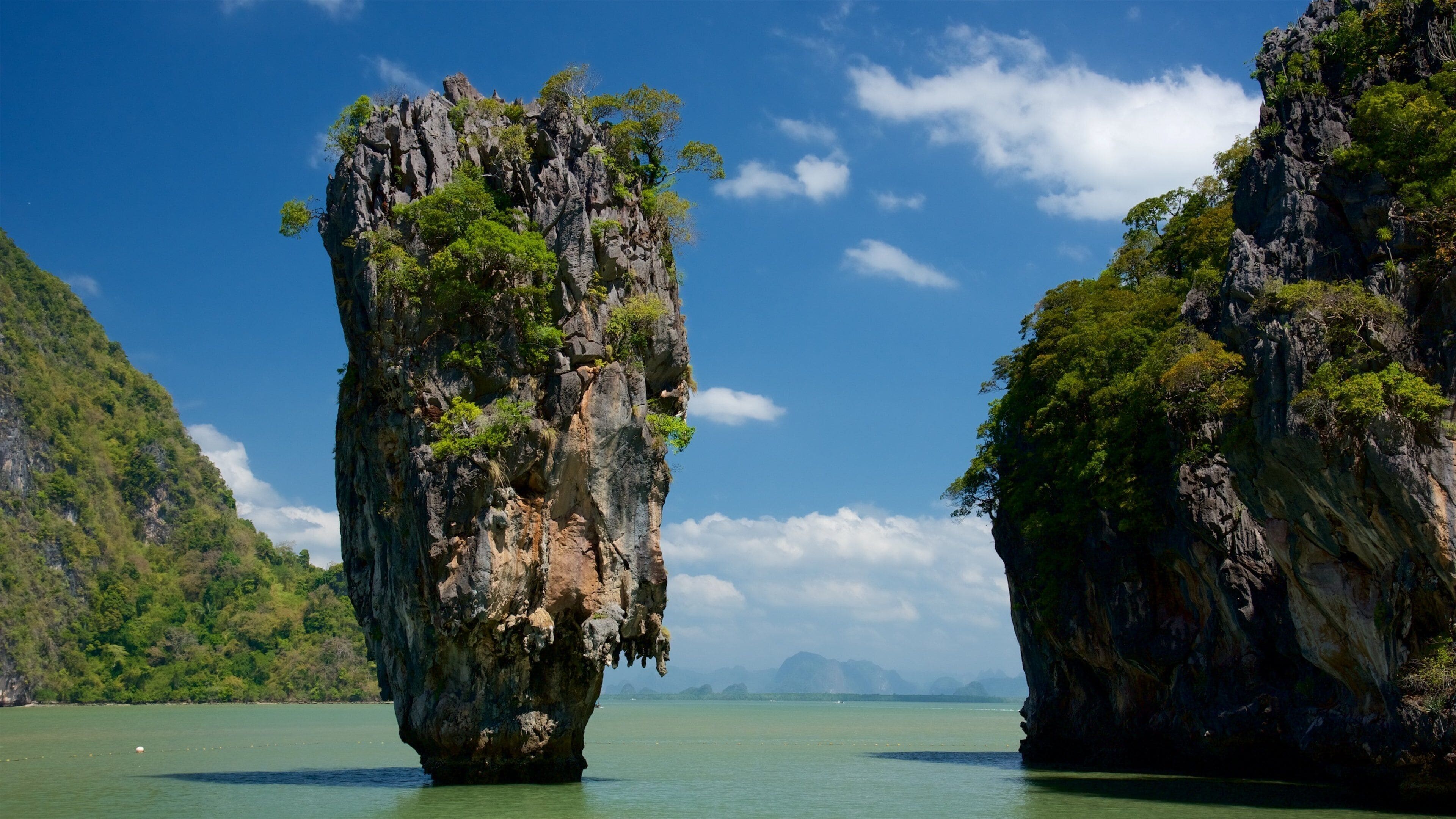
Take a longtail or kayak trip through Phang Nga Bay to the limestone karsts, sea caves, and hidden hongs north of the island.
Big Buddha and Karon Viewpoint
Drive up to the Big Buddha on Nakkerd Hill for the island's widest panorama, then stop at Karon Viewpoint over the three bays.
Nai Harn and Ya Nui Beaches
Swim at Nai Harn Beach and the smaller Ya Nui cove nearby, the southern beaches residents actually use.
Wat Chalong
Visit Wat Chalong, the island's largest and most important Buddhist temple, with its tiered pagoda and relic chamber.
Similan Islands Diving
Dive or snorkel the Similan Islands on a day or liveaboard trip from Thap Lamu, considered among the best sites in the Andaman Sea.
Off the Beaten Path
Live like a local. Special, lesser known experiences for adventurers who want real local flavor.
Khao Phra Thaeo Reserve
Hike the rainforest trail to Bang Pae Waterfall inside Khao Phra Thaeo Royal Wildlife and Forest Reserve, next to the Gibbon Rehabilitation Project.
Cape Panwa and the Aquarium
Spend a slow afternoon at Cape Panwa, a quiet residential headland with the Phuket Aquarium and views across to Koh Lone.
Koh Yao Noi
Ferry to Koh Yao Noi from Bang Rong pier for a rural Muslim island of rubber plantations, rice fields, and near-empty east coast beaches.
Ao Yon and Khao Khad
Swim at the sheltered local beach of Ao Yon and climb the Khao Khad Views Tower for a full circle over Chalong Bay.
Lay Pang Ah and Naka Weekend Market
Eat where residents do at the Naka Weekend Market near Phuket Town, a sprawling Thai market with almost no resort crowd.
Sirinat National Park Beaches
Walk the long, undeveloped sands of Sirinat National Park at Nai Yang and Mai Khao, backed by casuarina trees north of the airport.
Cost of Living
1-Bedroom Apartment (City Center)
$500/mo
3-Bedroom Apartment (City Center)
$1100/mo
Restaurant Meal
$5
Monthly Groceries
$300/mo
Monthly Transportation
$100/mo
Monthly Healthcare
$110/mo
Climate
Phuket has a tropical monsoon climate that is hot and humid all year, with a dry high season from November to April and a monsoon season from May to October bringing heavy rain and rough surf.
Best Time to Visit
November to April
Visa & Residency
Written for US citizens
Americans receive 60 days on arrival, extendable by 30 days at an immigration office. Longer stays use the Destination Thailand Visa introduced in 2024 for remote workers and soft-power activities, the Long Term Resident visa for higher earners, education visas, or retirement visas for those over fifty with the required financial proof. Thai visa policy changes often, so confirm current requirements with a Thai consulate or a reputable local visa agent.
These notes assume a US passport. If you hold a different nationality, your visa options and timelines may vary. Always confirm current rules with the official embassy or consulate before you commit.
Safety
Crime against foreigners is mostly opportunistic, but road safety is the real danger, since scooter accidents are the leading cause of injury here. Always wear a helmet, avoid riding at night or after drinking, respect red flag warnings for rip currents, and take out insurance that covers motorbikes.
Healthcare
Phuket has genuine medical tourism infrastructure, with Bangkok Hospital Phuket and Siriroj International Hospital offering English-speaking specialists at a fraction of Western prices. Private insurance is inexpensive and strongly recommended.
Culture & Lifestyle
Culture
Thai social norms center on politeness, avoiding open conflict, and respect for the monarchy and Buddhist practice, so keep voices low, dress modestly at temples, and never touch someone's head. Phuket also has strong Chinese Peranakan and Muslim communities, visible in its food and festivals.
Lifestyle
Days start early to beat the heat, with a beach swim or gym session, work from a Cherng Talay or Rawai coworking space, and dinner at a night market. Scooters handle everything, weekends mean island-hopping by longtail boat, and the expat social scene runs through sport and beach clubs.
Language
Thai, with English widely used across tourism, healthcare, and business
Currency
Thai Baht (THB)
Timezone
ICT (UTC+7)