Paramaribo
 Suriname
Tropical riverside capital with Dutch charm
Overview
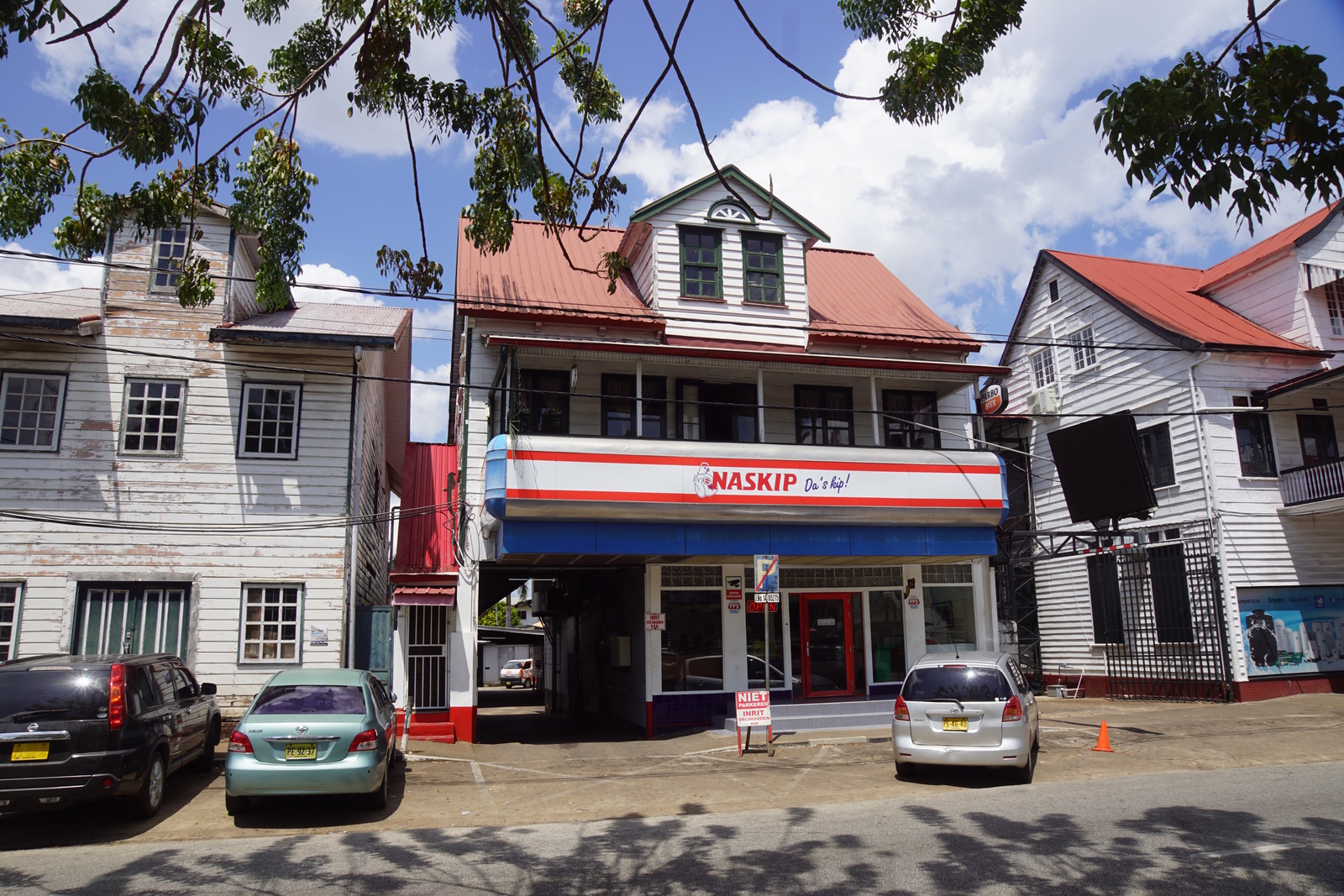
Paramaribo is the clear expat and digital nomad base in Suriname, sitting on the Suriname River with a compact historic core and the country’s best services. The city blends Dutch colonial architecture, Afro-Surinamese culture, Javanese and Indian food traditions, and a relaxed tropical pace that feels unlike anywhere else in South America. Most government offices, international businesses, better hospitals, and reliable housing options are concentrated here. It is small enough to navigate easily, but lively enough to keep long term visitors engaged.
Why Expats Love It
Expats choose Paramaribo because it offers the widest choice of furnished apartments, international schools, private clinics, banks, and coworking friendly cafes in Suriname. Digital nomads also appreciate that English is commonly understood alongside Dutch and Sranan Tongo, and that daily life is simpler here than in the country’s more remote interior.
Must Dos
The essential, top gem experiences for the full tourist experience.
Waterkant Walk
Stroll the historic Waterkant along the Suriname River, where wooden colonial buildings, food stalls, and river views give you the city’s classic postcard scene. Go near sunset when locals gather and the light hits the old facades.
Saints and Synagogue
Visit Saint Peter and Paul Basilica and then see the nearby Neveh Shalom Synagogue and Mosque Keizerstraat, one of Paramaribo’s most striking symbols of religious coexistence. The sites are close enough to explore together on foot in the old center.
Fort Zeelandia
Explore this riverside fort and museum to understand Suriname’s colonial history, independence era, and political turmoil. The courtyard and river outlook are especially atmospheric in the late afternoon.
Central Market Visit
Head to the Centrale Markt for tropical fruit, herbs, fish, cassava products, and a loud, colorful slice of daily city life. It is one of the best places to see how Paramaribo actually shops and eats.
Commewijne Day Trip
Take the boat across from Leonsberg to Commewijne for old plantations like Peperpot and Frederiksdorp, with a chance to spot dolphins on the river. It is the easiest high reward excursion from the capital.
Javanese Food Night
Eat at a classic Javanese warung such as Warung Jawa Smul or another local favorite to try saoto soup, satay, nasi goreng, and spicy sambals. Paramaribo’s Indonesian influenced food scene is one of the city’s biggest surprises.
Off the Beaten Path
Live like a local. Special, lesser known experiences for adventurers who want real local flavor.
Maretraite Morning
Wander the quieter Maretraite area for local cafes, leafy streets, and a feel for everyday middle class Paramaribo outside the historic core. It is a good neighborhood to understand how residents actually live.
Blauwgrond Eats
Spend an evening in Blauwgrond, the city’s best known Javanese food district, where informal restaurants and grill spots fill up with families. Order bami, bakabana, and satay rather than sticking to tourist menus.
Cultuurtuin Loop
Walk or jog in the Cultuurtuin, a green local park near Anton de Kom University where residents exercise in the cooler hours. It feels more local than the riverfront and is a useful reset from the heat and traffic.
Leonsberg Jetty
Go to Leonsberg not only for Commewijne boats, but to watch river traffic and local weekend life by the water. It is an unpolished but authentic edge of the city.
Tourtonne Market Runs
Explore the small produce shops and street vendors around Tourtonnelaan and nearby blocks for fruit, roti supplies, and everyday essentials. This area gives a better sense of ordinary shopping than the central tourist circuits.
Weg naar Zee Sunset
Ride out toward Weg naar Zee on the western edge for a different side of Paramaribo, where locals come for sea air, Hindu temples, and broad muddy coastal views. It is especially atmospheric near sunset and on quieter weekdays.
Cost of Living
1-Bedroom Apartment (City Center)
$550/mo
3-Bedroom Apartment (City Center)
$1100/mo
Restaurant Meal
$18
Monthly Groceries
$260/mo
Monthly Transportation
$25/mo
Monthly Healthcare
$140/mo
Climate
Paramaribo has a hot, humid tropical rainforest climate year round, with temperatures usually around 75 to 90 F. Expect frequent showers, especially during the major rainy season from about April to August, and a shorter rainy period around December to January.
Best Time to Visit
February to April, and late August to November
Visa & Residency
Written for US citizens
US passport holders generally need to arrange entry authorization before travel, as Suriname uses an e-visa or entry fee system rather than simple visa-free arrival in many cases. Rules can change, so check the Suriname e-visa portal or nearest consulate before booking. For longer stays, extensions and residence options are usually handled locally with immigration, often tied to work, business, or family status.
These notes assume a US passport. If you hold a different nationality, your visa options and timelines may vary. Always confirm current rules with the official embassy or consulate before you commit.
Safety
Paramaribo is usually manageable for expats, but petty theft, bag snatching, and occasional robberies do happen, especially at night or in quieter areas. Use taxis after dark, avoid flashing valuables, and be extra careful around ATMs and isolated riverfront stretches.
Healthcare
Private clinics and the main hospitals in Paramaribo can handle routine care and some urgent needs, but serious or complex cases may require evacuation to Trinidad, the Netherlands, or the United States. Expats usually keep private insurance and often prefer private providers for speed and consistency.
Culture & Lifestyle
Culture
Paramaribo is famously multicultural, with Creole, Hindustani, Javanese, Chinese, Indigenous, and Dutch influences all visible in food, religion, and festivals. Dress is generally casual, but politeness matters, and people tend to appreciate a friendly greeting before getting down to business.
Lifestyle
Life here is relaxed, social, and food centered, with weekends often spent along the river, at family gatherings, or eating out at warungs and local restaurants. The city is not a nonstop nomad hub, but it suits people who value a slower pace, cultural variety, and easy access to nature.
Language
Dutch is the official language, with Sranan Tongo widely spoken. English is common in tourism and business, and many residents also speak Hindi or Javanese.
Currency
Surinamese Dollar (SRD)
Timezone
SRT (UTC-3)