Oslo
 Norway
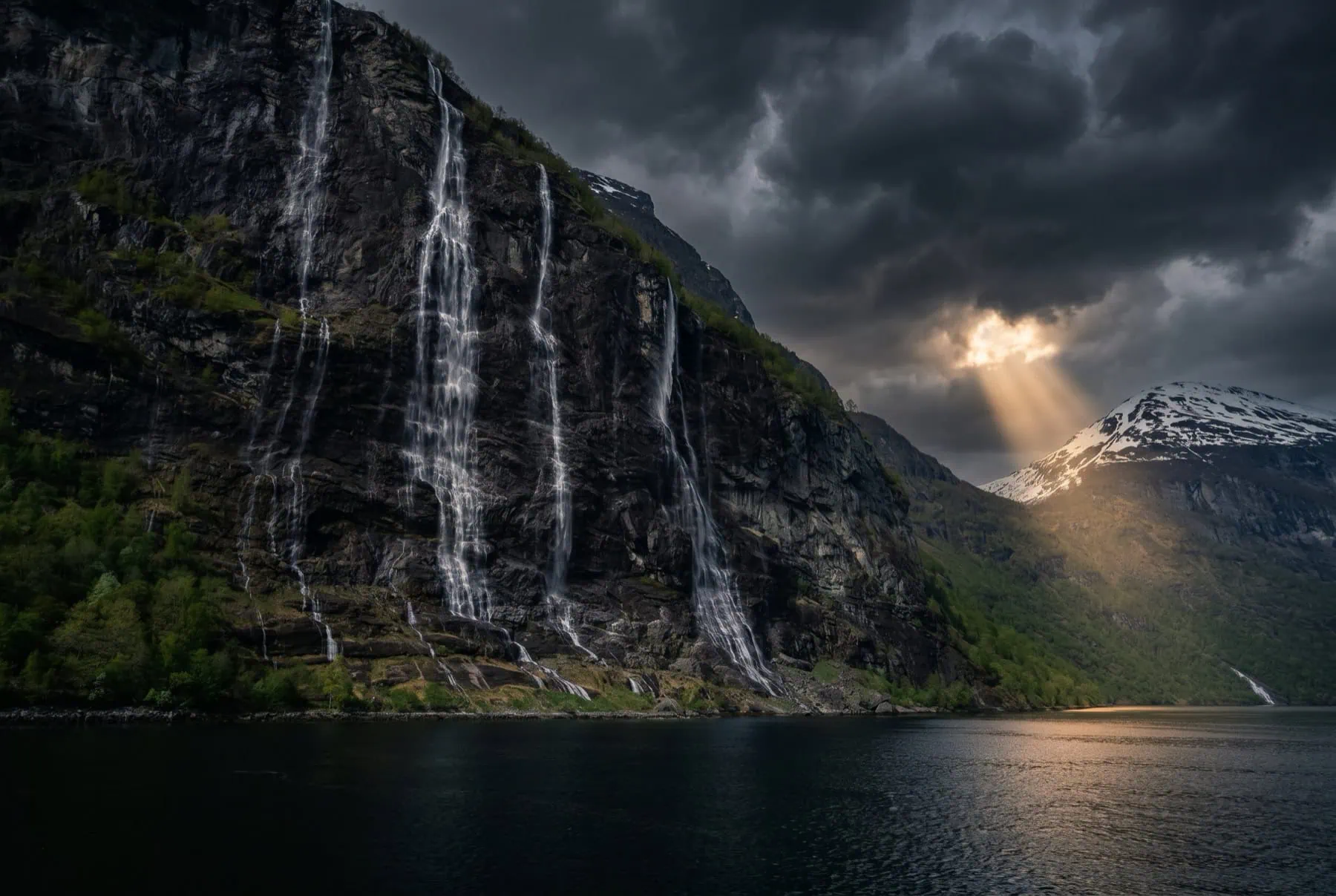
Scandinavian cool between forest trails and the fjord
Overview
Oslo is the clear top choice for expats and digital nomads in Norway because it combines the country’s strongest job market, best international connections, and deepest pool of English-speaking professionals. The city sits at the top of the Oslofjord, with sleek waterfront districts, world-class museums, and easy access to forests, islands, and ski trails. It feels polished and efficient, but also surprisingly outdoorsy, with locals heading from offices to saunas, ferries, or hiking paths in the same day. For Americans relocating abroad, Oslo offers the easiest landing spot in Norway without losing the country’s nature-first appeal.
Why Expats Love It
Expats choose Oslo for practical reasons first, strong salaries, reliable infrastructure, excellent public services, and the highest concentration of international companies and embassies in Norway. Digital nomads and remote workers also like that daily life is smooth and safe, most people speak very good English, and you can live in a capital city while still reaching swimming spots, ski tracks, and forest cabins quickly.
Must Dos
The essential, top gem experiences for the full tourist experience.
Vigeland Park
Walk through Frogner Park to see Gustav Vigeland’s huge sculpture collection, including The Monolith and The Angry Boy. It is one of Oslo’s most iconic open-air sights.
Oslo Opera House
Climb the sloping white marble roof of the Opera House in Bjørvika for panoramic views over the fjord and skyline. Come near sunset for the best light on the waterfront.
MUNCH Museum
Visit the striking museum in Bjørvika to see Edvard Munch’s works, including versions of The Scream. The building also gives you excellent views across the harbor.
Bygdøy Museums
Take the ferry or bus to Bygdøy for the Fram Museum and the Kon-Tiki Museum, two of Norway’s strongest cultural stops. The peninsula is also great for a coastal walk between museum visits.
Akershus Fortress
Explore the medieval fortress above Oslo Harbor for a crash course in Norwegian history and some of the city’s best harbor views. The grounds are especially atmospheric in the evening.
Island Hopping Ferry
Use the public ferry from Aker Brygge to hop between Hovedøya, Gressholmen, or Lindøya. In summer, locals come here to swim, picnic, and escape the city without really leaving it.
Off the Beaten Path
Live like a local. Special, lesser known experiences for adventurers who want real local flavor.
Ekeberg Sculpture Park
Wander the wooded hillside above the city where contemporary sculptures sit among forest paths and lookout points. The views over Oslo and the fjord are some of the best in town.
Damstredet Walk
Stroll this quiet street of preserved wooden houses near St. Hanshaugen for a glimpse of old Oslo. It feels far removed from the modern waterfront districts.
Grünerløkka Backstreets
Skip the busiest strips and explore the smaller lanes around Olaf Ryes plass and Birkelunden for vintage shops, bakeries, and neighborhood bars. This is where Oslo feels most lived-in and local.
Mathallen Vulkan
Browse the food hall in Vulkan for Norwegian cheeses, craft coffee, seafood, and international stalls. It is a useful spot to get a sense of the city’s modern food culture in one place.
Sørenga Sauna
Join locals at the floating saunas and seawater swimming area at Sørenga. It is one of the most Oslo ways to spend a cold or sunny afternoon.
Grefsenkollen Viewpoint
Head up to Grefsenkollen for sweeping views over Oslo, especially at dusk. The area also links into Nordmarka trails if you want a local-style hike.
Cost of Living
1-Bedroom Apartment (City Center)
$1500/mo
3-Bedroom Apartment (City Center)
$2500/mo
Restaurant Meal
$28
Monthly Groceries
$420/mo
Monthly Transportation
$85/mo
Monthly Healthcare
$120/mo
Climate
Oslo has four distinct seasons. Summers are mild and pleasant, while winters are cold, dark, and often snowy, though usually less harsh than inland Norway.
Best Time to Visit
May to September
Visa & Residency
Written for US citizens
US passport holders can enter Norway visa-free for up to 90 days within the Schengen area for tourism or business visits, but that does not give a right to live or work long term. For stays beyond 90 days, Americans typically need a residence permit tied to work, study, family reunification, or certain self-employment categories, arranged before or during the formal immigration process with Norwegian authorities. Norway does not offer a simple general digital nomad visa, so long-term remote workers need to check whether their setup fits an existing permit category.
These notes assume a US passport. If you hold a different nationality, your visa options and timelines may vary. Always confirm current rules with the official embassy or consulate before you commit.
Safety
Oslo is one of Europe’s safer capitals, with low violent crime rates and a strong sense of public order. Petty theft can happen around Oslo S, nightlife areas, and crowded transit, so basic city awareness is still smart.
Healthcare
Norway’s healthcare system is high quality and well regarded, and Oslo has the country’s broadest access to specialists and hospitals. Expats staying long term usually need to understand whether they are covered through the national system or should carry private insurance for faster access and administrative simplicity.
Culture & Lifestyle
Culture
Norwegians can seem reserved at first, but they are usually warm, dependable, and direct once you get to know them. Punctuality, personal space, and not showing off are all important parts of social etiquette.
Lifestyle
Life in Oslo is balanced, healthy, and structured, with a strong focus on outdoor time, family life, and work-life boundaries. Expect an early rhythm, expensive dining and drinking, and a lot of social life centered on nature, coffee, and home gatherings.
Language
Norwegian, English widely spoken
Currency
Norwegian krone (NOK)
Timezone
CET (UTC+1)