Oranjestad
 Aruba
Aruba
Caribbean ease with Dutch polish
Overview
Oranjestad is Aruba’s capital and the island’s most practical base for expats, remote workers, and long-stay visitors. It combines colorful Dutch Caribbean architecture, reliable services, good supermarkets, and easy access to beaches, restaurants, and the airport. While Aruba is small, Oranjestad gives you the best mix of convenience, walkability in the center, and quick drives to Palm Beach, Eagle Beach, and business services. It feels relaxed and beachy, but more organized and connected than many Caribbean destinations.
Why Expats Love It
Expats choose Oranjestad because Aruba is politically stable, uses strong tourism infrastructure, and is easy for Americans to navigate. English is widely spoken, internet is generally reliable, and daily life feels safe and straightforward. You also get year-round warm weather without the hurricane risk that affects much of the Caribbean.
Must Dos
The essential, top gem experiences for the full tourist experience.
Eagle Beach Sunset
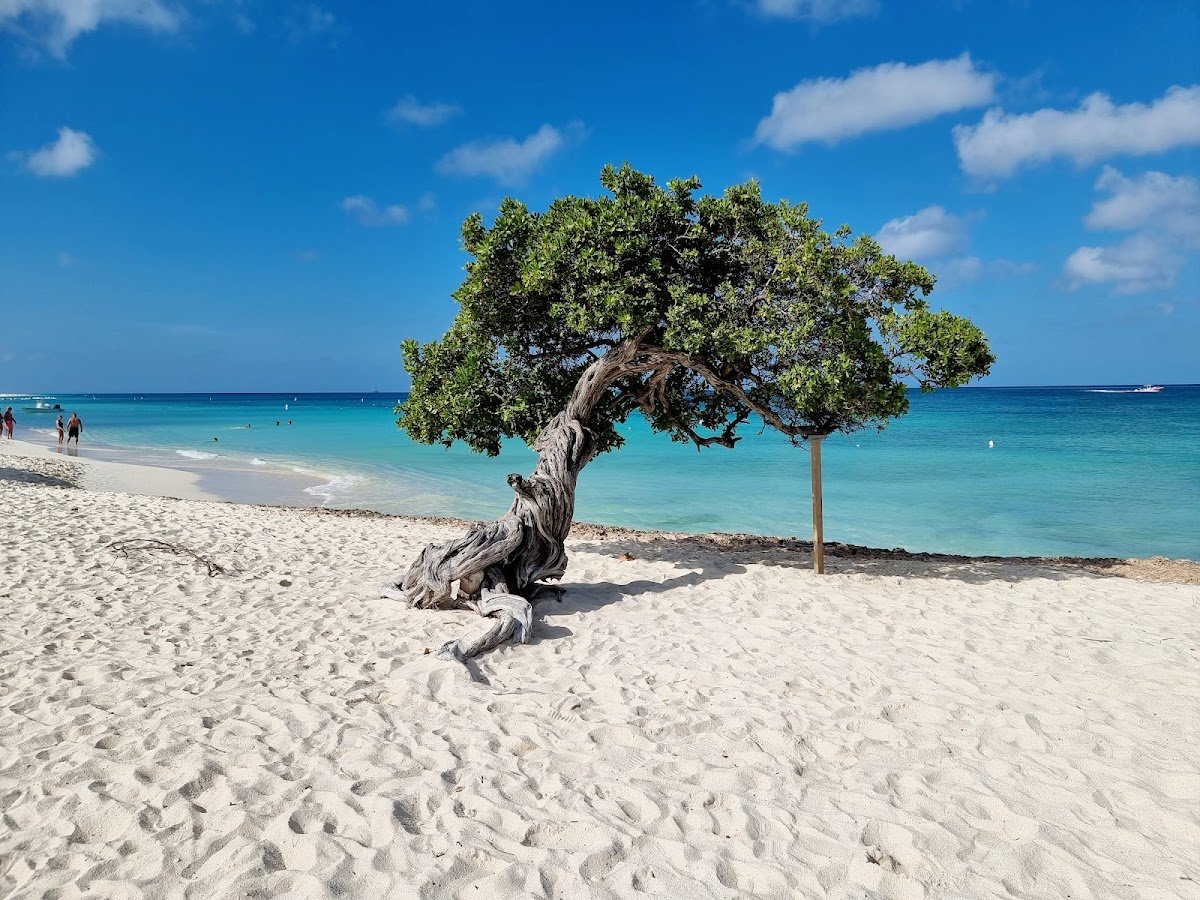
Spend an evening on Eagle Beach, known for wide white sand and iconic fofoti trees. Arrive before dusk for calmer water and one of Aruba’s best sunsets.
Renaissance Island Day
Take the boat from Renaissance Marina to Renaissance Island and see the famous flamingo beach area. The island also has quieter coves and snorkeling spots away from the main resort strip.
Arikok National Park
Drive through Arikok National Park to visit dramatic cactus landscapes, rocky coast, and desert trails. Do not miss Fontein Cave and the Natural Pool area if sea conditions allow.
California Lighthouse
Head to the California Lighthouse on the northwest tip for panoramic views over Aruba’s coast. It is especially good around golden hour when the island light softens.
Palm Beach Evening
Go to Palm Beach for a classic Aruba night of beachfront bars, casinos, and dinner by the water. The area is lively but polished, with easy options for visitors who want a social evening.
Downtown Oranjestad
Walk the historic center around Caya G. F. Betico Croes and the waterfront to see pastel buildings, shops, and Wilhelmina Park. It is the best place to feel the island’s capital city character beyond the beaches.
Off the Beaten Path
Live like a local. Special, lesser known experiences for adventurers who want real local flavor.
Surfside Stroll
Walk or jog the linear waterfront near Surfside Beach just east of downtown. Locals use this area in the early morning, and the sea views toward the airport side are surprisingly calm and pretty.
Casibari Boulders
Visit the Casibari Rock Formations for a quieter inland landscape that many beach-only visitors skip. The giant boulders and elevated viewpoints show a different side of Aruba.
Nikki Local Snacks
Stop at small snack bars in the Nikki district for pastechi, croquettes, and simple Aruban lunches. This area feels more everyday and residential than the resort zones.
Mangel Halto Swim
Drive south to Mangel Halto for shallow turquoise water, mangroves, and excellent shore snorkeling. It is a favorite for locals who want a quieter beach afternoon.
Caya Grandi Coffee
Spend a slow morning at an independent cafe along or near Caya Grandi, watching downtown open up before cruise crowds arrive. It is a better way to experience Oranjestad as a real town, not just a port stop.
Seroe Colorado Drive
Make the scenic drive toward Seroe Colorado and Baby Beach’s surrounding area for a less urban slice of Aruba. The southeastern coast feels more local, windblown, and spacious than the hotel corridor.
Cost of Living
1-Bedroom Apartment (City Center)
$1450/mo
3-Bedroom Apartment (City Center)
$2600/mo
Restaurant Meal
$28
Monthly Groceries
$450/mo
Monthly Transportation
$50/mo
Monthly Healthcare
$180/mo
Climate
Aruba is hot, sunny, and dry year-round, with temperatures usually around 81 to 90 F. It sits outside the main hurricane belt, and Oranjestad gets more breeze and less rain than many Caribbean capitals.
Best Time to Visit
January to April for the driest, breeziest weather
Visa & Residency
Written for US citizens
US passport holders do not need a visa for short tourist stays in Aruba, but you must meet entry requirements such as proof of onward travel and sufficient funds. Aruba is part of the Kingdom of the Netherlands but has its own immigration rules, so long stays require separate permission. For stays beyond the standard tourist period, Americans should check directly with DIMAS Aruba for extensions, residence permits, or work related options before arrival.
These notes assume a US passport. If you hold a different nationality, your visa options and timelines may vary. Always confirm current rules with the official embassy or consulate before you commit.
Safety
Oranjestad is one of the safer Caribbean capitals, especially in tourist and residential areas. Petty theft, car break-ins, and occasional late-night bar district incidents can happen, so use normal urban caution and avoid leaving valuables unattended on beaches or in cars.
Healthcare
Aruba has solid private clinics and a modern main hospital, Dr. Horacio E. Oduber Hospital, for routine and many urgent needs. Serious or highly specialized cases may still require treatment abroad, and private insurance is strongly recommended for expats.
Culture & Lifestyle
Culture
Aruban culture is warm, multilingual, and shaped by Caribbean, Dutch, and Latin American influences. People tend to be friendly and informal, but politeness, punctuality for appointments, and respect for local neighborhoods go a long way.
Lifestyle
Life in Oranjestad is easygoing and outdoorsy, with beach time, waterfront dining, and short drives replacing long commutes. It suits people who want tropical comfort, safety, and convenience more than big-city intensity or a fast nightlife scene.
Language
Papiamento, Dutch, English, Spanish
Currency
Aruban Florin (AWG), US Dollar (USD widely accepted)
Timezone
AST (UTC-4)