New York City
 United States
The world's most concentrated city, where five boroughs deliver unmatched career opportunity, culture, and 24-hour energy.
Overview
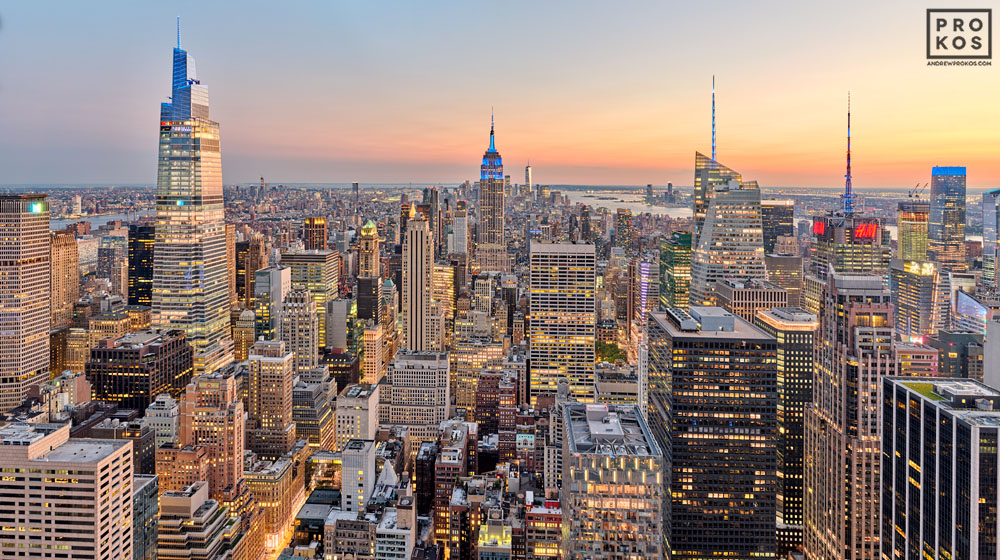
New York City is the benchmark against which other global cities measure themselves, a dense metropolis of eight million people spread across Manhattan, Brooklyn, Queens, the Bronx, and Staten Island. For expats and remote workers it offers the deepest professional network in finance, media, tech, fashion, and the arts, alongside a food and culture scene that no other city matches for sheer variety. The tradeoff is cost: rent consumes an enormous share of income, and apartments are small by international standards. Neighborhoods vary dramatically in character, from the brownstone calm of Park Slope and Fort Greene to the constant motion of the Lower East Side and the immigrant food capitals of Jackson Heights and Sunset Park. The subway runs all night, walking is genuinely faster than driving in most of Manhattan, and almost nobody who lives here owns a car.
Why Expats Love It
Expats love New York for career acceleration and for the feeling that everything is available at any hour. It is one of the few cities where you can build an international life without ever feeling foreign, because roughly a third of residents were born outside the United States. Anyone ambitious about their work finds the density of talent and opportunity difficult to replicate anywhere else.
Must Dos
The essential, top gem experiences for the full tourist experience.
Central Park End to End
Walk the full length of Central Park from Columbus Circle to Harlem Meer, passing the Bethesda Terrace, the Ramble, and the reservoir. Locals treat it as the city's backyard rather than a sight.
The High Line and Chelsea
Follow the elevated rail park through Chelsea, then drop into the gallery district on West 24th Street for free contemporary art. It is the best introduction to how the city reuses its industrial bones.
The Metropolitan Museum of Art
Give a full day to the Met on Fifth Avenue, and go straight to the Egyptian wing and the American period rooms before the crowds build. The rooftop bar is open in warm months.
Brooklyn Bridge at Dawn
Cross the Brooklyn Bridge on foot early in the morning from the Brooklyn side toward Manhattan, when the promenade is empty and the light hits the Financial District.
Grand Central Terminal
Stand under the constellation ceiling in Grand Central Terminal, then eat oysters downstairs at the tiled Grand Central Oyster Bar, which has been serving since 1913.
Jackson Heights Food Crawl
Ride the 7 train to Jackson Heights in Queens and eat your way along Roosevelt Avenue through Colombian, Nepalese, Tibetan, and Indian kitchens. It is the most diverse food strip in the country.
Off the Beaten Path
Live like a local. Special, lesser known experiences for adventurers who want real local flavor.
Green-Wood Cemetery
Wander the hilly Victorian landscape of Green-Wood Cemetery in Brooklyn, where the highest point offers a quiet harbor view and resident parrots nest in the gate.
Roosevelt Island Tramway
Ride the aerial tram to Roosevelt Island for four dollars, then walk south to the ruins at Smallpox Hospital and the calm lawns of Four Freedoms Park.
City Island
Take the bus out to City Island in the Bronx, a New England style fishing village inside city limits, and eat fried seafood on the water at the end of the main street.
The Cloisters
Visit The Cloisters in Fort Tryon Park at the northern tip of Manhattan, a medieval monastery reassembled above the Hudson, then walk the wooded paths below it.
Louis Armstrong House Museum
Tour the modest Corona home where Louis Armstrong lived until his death, preserved exactly as it was, in a quiet residential Queens street.
Governors Island Summer
Ferry to Governors Island from the Battery Maritime Building, rent a bike, and picnic on Hammock Grove with an unobstructed Statue of Liberty view.
Cost of Living
1-Bedroom Apartment (City Center)
$3600/mo
3-Bedroom Apartment (City Center)
$6500/mo
Restaurant Meal
$28
Monthly Groceries
$550/mo
Monthly Transportation
$132/mo
Monthly Healthcare
$550/mo
Climate
New York has a humid continental climate with hot, sticky summers above 30C, cold winters that bring snow and wind off the Atlantic, and short but beautiful spring and autumn shoulder seasons.
Best Time to Visit
April to June and September to early November
Visa & Residency
Written for US citizens
Americans need no visa. Other nationalities typically enter on ESTA or a B1/B2 visitor visa for short stays, while longer stays require an employment route such as the H-1B, an intracompany L-1 transfer, an O-1 for exceptional ability, or an E-2 investor visa. There is no United States digital nomad visa, and remote work for a foreign employer while on a visitor status is legally grey, so confirm current requirements with a US consulate or an immigration attorney before relocating.
These notes assume a US passport. If you hold a different nationality, your visa options and timelines may vary. Always confirm current rules with the official embassy or consulate before you commit.
Safety
New York is far safer than its reputation suggests and most neighborhoods are comfortable to walk at night. Stay alert on late-night subway platforms, keep phones out of sight near station entrances, and use normal big-city awareness in emptier industrial areas after dark.
Healthcare
The city holds some of the world's best hospitals, including NewYork-Presbyterian, Mount Sinai, and Memorial Sloan Kettering, but access depends entirely on insurance. Comprehensive coverage is essential because out-of-pocket costs are among the highest anywhere.
Culture & Lifestyle
Culture
New Yorkers are direct rather than rude, and efficiency is treated as a form of courtesy. Small talk is brief, tipping between eighteen and twenty percent is expected, and social life happens outside the apartment because apartments are small.
Lifestyle
Daily life is walkable, fast, and improvised: coffee on the way to a coworking space, a gym class squeezed between meetings, dinner in a different neighborhood every week. Remote workers rely on excellent cafe and coworking density, and weekends run from Rockaway Beach in summer to Hudson Valley hikes in autumn.
Language
English, with Spanish, Chinese, Russian, and Bengali widely spoken across the boroughs
Currency
US Dollar (USD)
Timezone
EST (UTC-5), EDT in summer