New Orleans
 United States
America's most distinctive city, built on jazz, Creole cooking and river mud
Overview
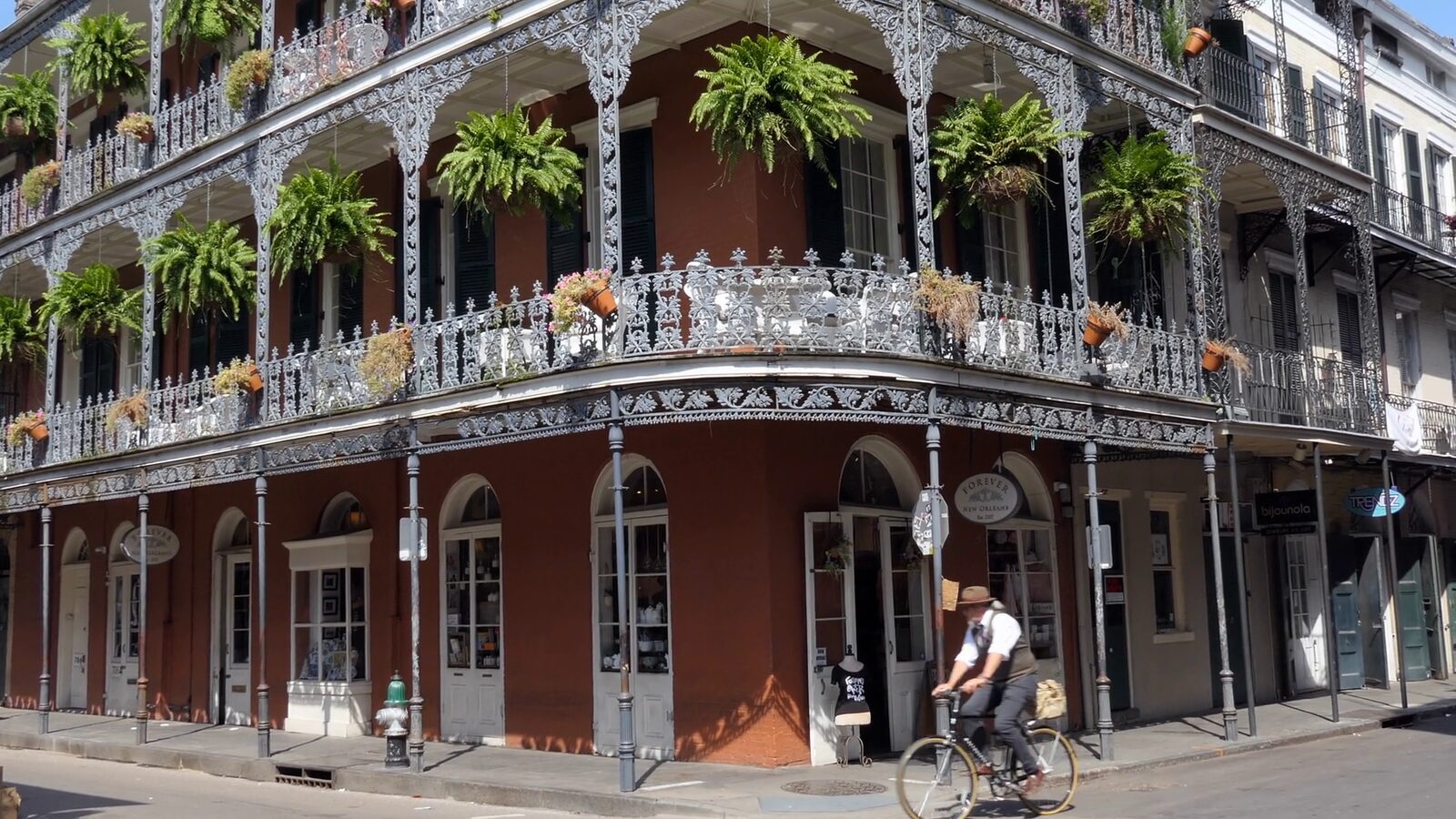
New Orleans does not feel like the rest of the United States, and that is the point. Founded by the French, ruled by the Spanish and shaped by West African, Caribbean and Creole cultures, it produced jazz, gumbo and a calendar organised around festivals. The French Quarter and Garden District hold some of the finest historic architecture in North America, with wrought iron balconies and live oaks draped in Spanish moss. It is a poor city with an extraordinary cultural output and very low living costs. Heat, humidity and hurricane season are the price of admission.
Why Expats Love It
Low costs, unmatched music and food culture, beautiful historic housing and a city that genuinely celebrates life.
Must Dos
The essential, top gem experiences for the full tourist experience.
French Quarter
Jackson Square, Creole townhouses and the oldest cathedral in continuous use in the country.
Frenchmen Street
Where locals go for live jazz and brass, three blocks of clubs beyond Bourbon Street.
Garden District and Lafayette Cemetery
Antebellum mansions and above ground tombs under enormous oaks.
Mardi Gras or Jazz Fest
Two of the great cultural events in the Americas, each shutting down the city.
Creole and Cajun Cooking
Gumbo, jambalaya, po'boys and crawfish boils, best learned in a cooking class.
St Charles Streetcar
The oldest continuously operating streetcar line in the world, running uptown under the oaks.
Off the Beaten Path
Live like a local. Special, lesser known experiences for adventurers who want real local flavor.
Bywater and the Marigny
Painted shotgun houses, neighbourhood bars and Crescent Park along the river.
City Park and Couturie Forest
Bigger than Central Park, with the sculpture garden and the highest point in the city.
Backstreet Cultural Museum
Mardi Gras Indian suits and second line history in Treme, the oldest Black neighbourhood in America.
Barataria Preserve
Cypress swamp boardwalks with alligators, thirty minutes south.
Studio Be
A vast warehouse of murals by Brandan Odums documenting Black New Orleans.
Algiers Point
A free ferry across the Mississippi to a quiet Victorian village with the best skyline view.
Cost of Living
1-Bedroom Apartment (City Center)
$1250/mo
3-Bedroom Apartment (City Center)
$2000/mo
Restaurant Meal
$20
Monthly Groceries
$430/mo
Monthly Transportation
$55/mo
Monthly Healthcare
$420/mo
Climate
Humid subtropical with mild winters, long very humid summers and a hurricane season from June to November
Best Time to Visit
February to May and October to November for festivals and bearable humidity
Visa & Residency
Written for US citizens
As U.S. citizens relocating within the United States, no visa or entry permission is required to live in New Orleans, Louisiana. Americans have the constitutional right to live and work anywhere in the country, so there are no tourist allowances, stay limits, or residency applications to navigate. Non-U.S. nationals planning to relocate to New Orleans would generally need to secure an appropriate immigration status, such as an employer-sponsored work visa, a family-based green card, or another qualifying immigrant or nonimmigrant category, with requirements varying considerably by nationality and personal circumstances.
These notes assume a US passport. If you hold a different nationality, your visa options and timelines may vary. Always confirm current rules with the official embassy or consulate before you commit.
Safety
Violent crime rates are among the highest in the country and concentrated in specific areas. Stay on populated streets at night and use rideshare rather than walking home late.
Healthcare
Ochsner Medical Center is the leading regional hospital. Health outcomes statewide lag the national average, and insurance is essential.
Culture & Lifestyle
Culture
Second lines, krewes and neighbourhood parades are civic institutions. People talk to strangers, meals are unhurried, and food knowledge is a form of local currency.
Lifestyle
Beignets and chicory coffee, porch afternoons, brass bands on Frenchmen Street. Weekends mean swamp tours, plantation river roads or the Gulf beaches.
Language
English, with French and Creole heritage in place names and cuisine
Currency
US Dollar (USD)
Timezone
CT (UTC-6, UTC-5 in summer)