Montevideo
 Uruguay
Laid-back capital life on the Rio de la Plata
Overview
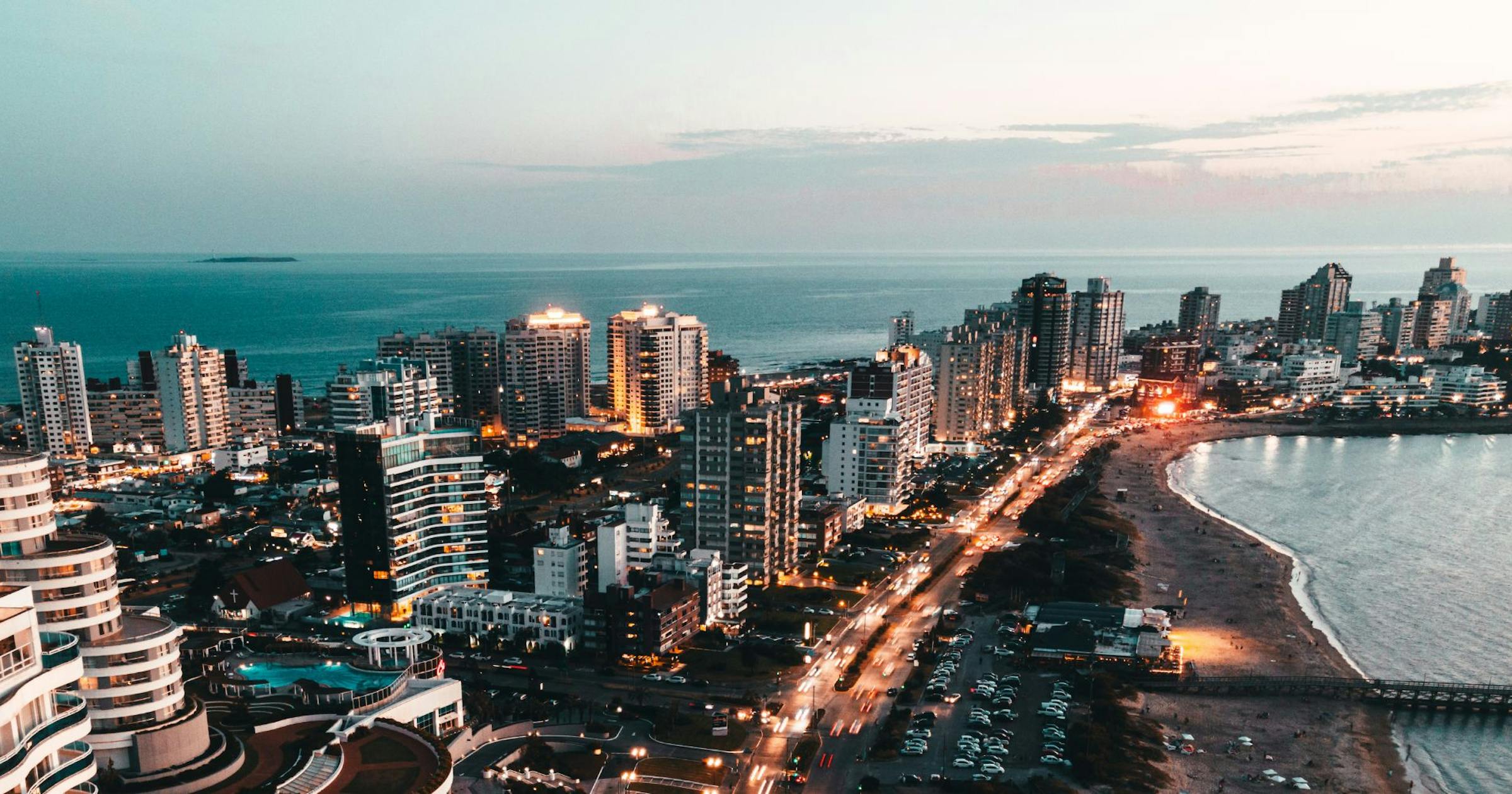
Montevideo is Uruguay’s capital and by far the country’s best all-around base for expats and digital nomads. It combines a relaxed coastal lifestyle with reliable infrastructure, good healthcare, walkable neighborhoods, and a strong cafe culture. The city stretches along a long waterfront rambla, with distinct areas like Ciudad Vieja, Centro, Cordón, Pocitos, and Carrasco offering different rhythms of daily life. Compared with larger Latin American capitals, Montevideo feels calmer, safer, and easier to navigate.
Why Expats Love It
Expats choose Montevideo for its political stability, liberal social climate, solid internet, and unusually high quality of life for the region. It is especially appealing to Americans who want a manageable Spanish-speaking city with beaches, good private healthcare, and less chaos than Buenos Aires or Sao Paulo. Many nomads base themselves in Pocitos, Punta Carretas, or Cordón for the mix of coworking, cafes, and easy access to the rambla.
Must Dos
The essential, top gem experiences for the full tourist experience.
Rambla Walk
Stroll the Rambla de Montevideo from Punta Carretas through Pocitos to Buceo for the city’s signature waterfront experience. Go near sunset when locals gather with mate, bikes, and fishing rods.
Ciudad Vieja Wander
Explore Montevideo’s historic old town starting at Plaza Independencia and the Puerta de la Ciudadela. Continue down pedestrian Sarandí to see galleries, old facades, street art, and cafes.
Mercado del Puerto
Eat classic Uruguayan parrilla at Mercado del Puerto, the city’s best-known grill hall near the port. Order asado, chorizo, and morcilla while watching the smoky open-fire kitchens.
Teatro Solis Tour
Visit Teatro Solís, Uruguay’s most important historic theater on Plaza Independencia. A guided tour gives you a close look at its architecture and cultural importance.
Pocitos Beach Day
Spend an afternoon at Playa Pocitos, the city’s most iconic urban beach. Even outside peak summer, the boardwalk and nearby cafes make it one of Montevideo’s best people-watching spots.
Parque Rodo Sunday
Head to Parque Rodó on a weekend for the park, lake, artisan fair, and nearby seaside views. It is one of the best places to feel the local rhythm of the city.
Off the Beaten Path
Live like a local. Special, lesser known experiences for adventurers who want real local flavor.
Prado Afternoons
Explore the leafy Prado neighborhood for a quieter side of Montevideo. Visit the Jardín Botánico and wander past old mansions and broad avenues rarely seen by short-term visitors.
Feria Tristan Narvaja
Go Sunday morning to Feria de Tristán Narvaja in Cordón, the city’s sprawling street market. You will find books, antiques, produce, pets, kitchenware, and a very local Montevideo atmosphere.
Mirador Panoramico
Ride up to the Intendencia de Montevideo viewpoint on Avenida 18 de Julio. The panoramic view is inexpensive, central, and often skipped by tourists heading straight to the old town.
Buceo Fishing Harbor
Walk around the Puerto del Buceo area beyond the mall and yacht club. It offers a more everyday waterfront scene with fishing boats, seafood spots, and calmer rambla stretches.
Museo Blanes Stop
Visit the Museo Juan Manuel Blanes in Prado for Uruguayan art in a stately villa setting. The surrounding Japanese garden adds a peaceful local touch.
Mercado Ferrando Evening
Have dinner or drinks at Mercado Ferrando in Cordón, a stylish food hall popular with locals and residents. It is a good place to sample modern Montevideo beyond the traditional tourist circuit.
Cost of Living
1-Bedroom Apartment (City Center)
$850/mo
3-Bedroom Apartment (City Center)
$1500/mo
Restaurant Meal
$18
Monthly Groceries
$300/mo
Monthly Transportation
$35/mo
Monthly Healthcare
$110/mo
Climate
Montevideo has a humid subtropical climate with four seasons, warm summers and cool, windy winters. Summer days are often hot and sunny, while winter is mild by US Northeast standards but can feel chilly indoors because heating is not always strong.
Best Time to Visit
October to December, or March to April
Visa & Residency
Written for US citizens
US passport holders can enter Uruguay visa-free for tourism, typically for up to 90 days, and extensions are often possible. For longer stays, many expats explore temporary or permanent residency, which Uruguay is relatively friendly about compared with many countries. Requirements vary, but proof of income, documents from the US, and local processing are usually part of the process.
These notes assume a US passport. If you hold a different nationality, your visa options and timelines may vary. Always confirm current rules with the official embassy or consulate before you commit.
Safety
Montevideo is one of the safer capitals in South America, but petty theft, phone snatching, and opportunistic robbery do happen, especially at night in quieter areas. Use normal city precautions in Centro, Ciudad Vieja after dark, and on less busy streets.
Healthcare
Private healthcare is affordable by US standards and generally good, with respected hospitals and mutualista plans available in the city. Many expats use private insurance or join a local healthcare network, though English is less common outside higher-end providers.
Culture & Lifestyle
Culture
Uruguayans tend to be reserved, polite, and slow to rush, and social life often revolves around family, friends, mate, and long conversations. Dinner starts late, and weekends are built around the rambla, football, barbecues, and beach time.
Lifestyle
Life in Montevideo is relaxed, urban, and coastal at the same time. You can work from a cafe in Cordón, walk the rambla at sunset in Pocitos, and still have access to theaters, markets, beaches, and excellent steak within a short distance.
Language
Spanish
Currency
Uruguayan peso (UYU)
Timezone
UYT (UTC-3)