
Monaco-Ville
 Monaco
Clifftop elegance above the Riviera
Overview
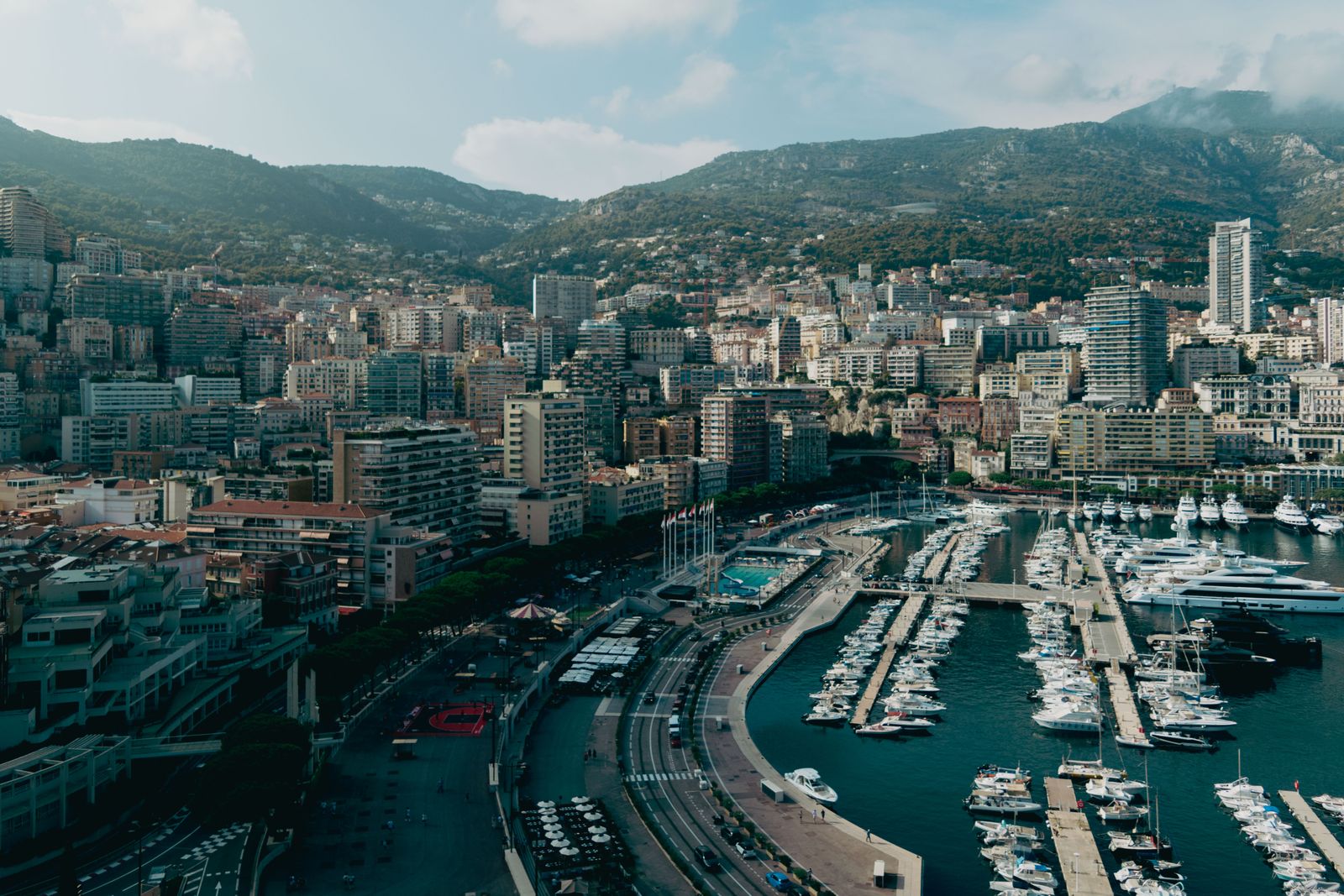
Monaco-Ville is the historic heart of Monaco, perched on a rocky promontory above the Mediterranean. While the principality is tiny and highly integrated, this district gives you the clearest sense of place, with narrow lanes, landmark views, and quick access to the rest of Monaco, including Monte Carlo, La Condamine, and Fontvieille. It is polished, exceptionally safe, and famously expensive, but it offers a rare mix of old-world character and ultra-modern convenience. For Americans relocating to Monaco, it is the most iconic base and the best single area to understand daily life in the principality.
Why Expats Love It
Expats choose Monaco for security, prestige, excellent infrastructure, and its central location on the French Riviera, with Nice Airport close by and Italy within easy reach. Digital nomads and remote professionals who can afford it appreciate the walkability, reliable services, fast connections, and the ability to live in one of Europe's most efficient microstates while still enjoying Mediterranean weather and culture.
Must Dos
The essential, top gem experiences for the full tourist experience.
Prince's Palace
Visit the Prince's Palace of Monaco in Monaco-Ville and time your trip for the changing of the guard on Place du Palais. The square also offers one of the best panoramic views over Port Hercule.
Oceanographic Museum
Explore the Oceanographic Museum of Monaco, the dramatic cliffside institution founded by Prince Albert I. Its aquariums, rooftop terrace, and marine science exhibits are standout highlights.
Casino Square
Walk through Place du Casino in Monte Carlo to see the Casino de Monte-Carlo, Hôtel de Paris, and the city's most famous luxury frontage. Even if you do not gamble, the architecture and people-watching are worth it.
Japanese Garden
Slow down in the Japanese Garden near Larvotto, a beautifully designed space with ponds, bridges, and sea air. It is one of the calmest public spots in the principality.
Port Hercule Stroll
Follow the marina around Port Hercule to take in superyachts, café terraces, and views up to the Rock. The route also lets you spot sections of the Monaco Grand Prix circuit.
Monaco Cathedral
Step inside Saint Nicholas Cathedral in Monaco-Ville, where members of the Grimaldi family, including Princess Grace and Prince Rainier III, are buried. The Roman-Byzantine building is one of the principality's key historic landmarks.
Off the Beaten Path
Live like a local. Special, lesser known experiences for adventurers who want real local flavor.
Marché de la Condamine
Shop at the covered Marché de la Condamine for produce, flowers, and casual local meals at the food counters. It is one of the best places to see everyday Monaco beyond the luxury image.
Saint Martin Gardens
Wander the Jardins Saint-Martin along the cliffs below Monaco-Ville. The paths, statues, and sea views make it a quiet local favorite in the early morning or late afternoon.
Princess Caroline Library
Pop into the Princess Caroline Library in La Condamine to get a feel for neighborhood life. It is a small but telling window into the principality's resident culture.
Fontvieille Chapel Path
Walk the calmer edges of Fontvieille near the Chapiteau de Monaco and the waterfront paths. This area feels more residential and practical than postcard Monaco.
Moneghetti Escalators
Explore the Moneghetti area using Monaco's public elevators and escalators, which locals rely on daily. It is a surprisingly good way to understand how people actually move around the steep terrain.
Roseraie Princess Grace
Visit the Princess Grace Rose Garden in Fontvieille, a serene landscaped park with hundreds of rose varieties. It is peaceful, lightly touristed, and especially lovely in bloom season.
Cost of Living
1-Bedroom Apartment (City Center)
$4800/mo
3-Bedroom Apartment (City Center)
$12500/mo
Restaurant Meal
$45
Monthly Groceries
$650/mo
Monthly Transportation
$35/mo
Monthly Healthcare
$350/mo
Climate
Monaco has a mild Mediterranean climate, with hot sunny summers and cool but generally gentle winters. Expect plenty of sunshine year-round, with the most comfortable weather in spring and early autumn.
Best Time to Visit
April to June, or September to October
Visa & Residency
Written for US citizens
US passport holders can enter Monaco visa-free under the Schengen rules for up to 90 days within any 180-day period, typically entering via France. For longer stays, Americans need to pursue residency through Monaco authorities, usually after securing housing and completing a residence permit process handled in coordination with French consular procedures. Proof of accommodation, sufficient finances, and health coverage are generally required.
These notes assume a US passport. If you hold a different nationality, your visa options and timelines may vary. Always confirm current rules with the official embassy or consulate before you commit.
Safety
Monaco is one of the safest places in Europe, with a heavy police presence and extensive surveillance. Petty theft is uncommon but still possible in crowded tourist areas and around transit links into nearby French cities.
Healthcare
Healthcare quality is very high, and Monaco has strong medical facilities, including the Princess Grace Hospital Centre. Many expats carry private insurance for faster access, broader provider choice, and coverage in nearby France as well.
Culture & Lifestyle
Culture
Life here is formal, discreet, and polished, and locals value privacy, manners, and presentation. French social norms dominate, so basic French greetings and courteous behavior go a long way.
Lifestyle
Expect a compact, upscale, highly walkable lifestyle centered on cafés, sea views, yachting culture, and impeccably maintained public spaces. It suits professionals, retirees, and high earners more than budget-conscious nomads.
Language
French is the official language, with English, Italian, and Monégasque also commonly heard
Currency
Euro (EUR)
Timezone
CET (UTC+1)