
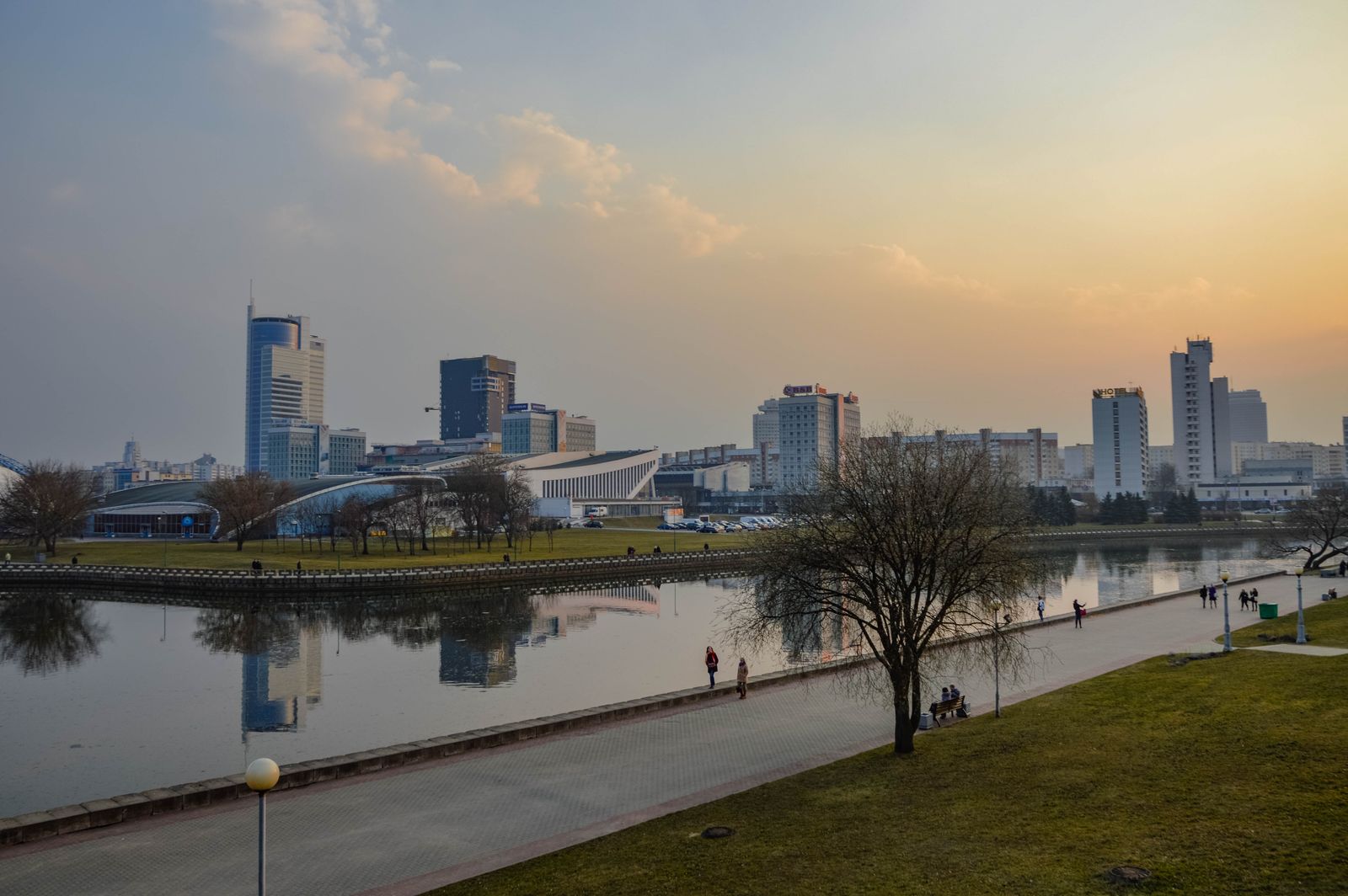
Minsk
 Belarus
Soviet grandeur, green boulevards, and cafe culture
Overview
Minsk is the clear choice for expats in Belarus because it is the country’s capital, largest city, and main center for business, universities, and international services. The city is strikingly spacious, with monumental Stalinist architecture, broad avenues, leafy parks, and a surprisingly polished cafe and restaurant scene. Long term visitors tend to find Minsk orderly, affordable by US standards, and easy to navigate by metro. It also offers the best infrastructure in Belarus for housing, healthcare, coworking, and daily life.
Why Expats Love It
Expats and digital nomads choose Minsk because it has the widest selection of apartments, the best internet and mobile coverage in the country, and the strongest concentration of international minded locals. It is also the easiest place in Belarus to live without a car, thanks to an efficient metro, buses, and a compact center with plenty of cafes to work from.
Must Dos
The essential, top gem experiences for the full tourist experience.
Independence Avenue Walk
Stroll Nezavisimosti Prospekt to see Minsk’s grand postwar architecture, from Independence Square to Victory Square. It is the city’s defining urban axis and the best first introduction.
Upper Town Evening
Spend an evening in the historic Upper Town around Freedom Square, with baroque churches, pedestrian lanes, and cafes. This area shows a softer, older side of Minsk than the monumental center.
National Library View
Visit the National Library of Belarus, famous for its faceted diamond shape. Go up to the observation deck for wide views over the city’s eastern districts.
Victory Park Sunset
Walk or cycle through Victory Park and along the Svislach River near Komsomolskoye Lake. It is one of the best places in Minsk to feel the city’s green, spacious character.
Museum of the Great Patriotic War
Explore one of Minsk’s most important museums for understanding Belarus’s WWII history. The modern building and exhibits are extensive and emotionally powerful.
Zybitskaya Street Night
Have dinner and drinks on Zybitskaya Street, the city’s best known nightlife strip near the river. It is the easiest place to sample Minsk’s bar scene and see the city after dark.
Off the Beaten Path
Live like a local. Special, lesser known experiences for adventurers who want real local flavor.
Osmodrom Coffee Circuit
Skip the obvious chains and work from independent cafes like Osmodrom in the center. It is a good window into Minsk’s modern creative crowd and remote work culture.
Komarovsky Market Morning
Shop at Komarovsky Market for berries, pickles, dairy, and seasonal produce. This is where locals actually come for food, and it feels far more lived in than tourist focused.
Kastrychnitskaya Street Murals
Wander Kastrychnitskaya Street to find industrial buildings turned into a creative corridor with street art, bars, and event spaces. It is one of Minsk’s most local feeling regeneration zones.
Lošyca Park Escape
Head to Loshitsky Park in the southeast for a quieter green space with an old manor setting and fewer crowds than central parks. It is especially nice for a long walk in late spring.
Trinity Suburb Backstreets
Beyond the postcard views, explore the quieter lanes behind Trinity Suburb and along the river embankment. You will find a calmer residential rhythm just steps from the center.
Uruchcha Forest Edge
Take the metro out toward Uruchcha and explore the greener residential edge of the city. It offers a look at everyday Minsk away from the monumental center, with local cafes and easy access to woodland paths.
Cost of Living
1-Bedroom Apartment (City Center)
$450/mo
3-Bedroom Apartment (City Center)
$750/mo
Restaurant Meal
$15
Monthly Groceries
$220/mo
Monthly Transportation
$25/mo
Monthly Healthcare
$80/mo
Climate
Minsk has a humid continental climate, with cold snowy winters and mild to warm summers. January is typically below freezing, while July is pleasant and green rather than intensely hot.
Best Time to Visit
Late May to early September
Visa & Residency
Written for US citizens
US passport holders should verify current entry rules before travel, as policies can change quickly and political conditions affect access. Belarus has at times offered visa free entry through specific ports of entry or for limited stays, but these rules are not always broad or stable. For longer stays, expats usually need a visa or residence basis tied to work, study, family, or another legal ground, and registration requirements are important.
These notes assume a US passport. If you hold a different nationality, your visa options and timelines may vary. Always confirm current rules with the official embassy or consulate before you commit.
Safety
Street crime in Minsk is relatively low, but the bigger concern is the political and security environment. The US government has issued strong travel advisories related to arbitrary law enforcement, detention risk, and the regional security situation linked to Russia’s war against Ukraine.
Healthcare
Minsk has the country’s best hospitals and private clinics, and routine care is available at reasonable prices. Many expats still prefer strong private insurance and, for complex cases, may seek treatment outside Belarus if possible.
Culture & Lifestyle
Culture
Minsk can feel formal at first, and locals may seem reserved until you get to know them. Russian is the everyday language in most shops, cafes, and offices, though Belarusian remains culturally important and visible in signs and arts settings.
Lifestyle
Life in Minsk is urban, calm, and budget friendly, with lots of parks, riverfront walking, coffee shops, and shopping centers. Nightlife exists, especially around Zybitskaya Street, but the city’s biggest strengths are convenience, order, and green space rather than nonstop buzz.
Language
Belarusian and Russian, Russian is dominant in daily urban life
Currency
Belarusian ruble (BYN)
Timezone
MSK (UTC+3)