
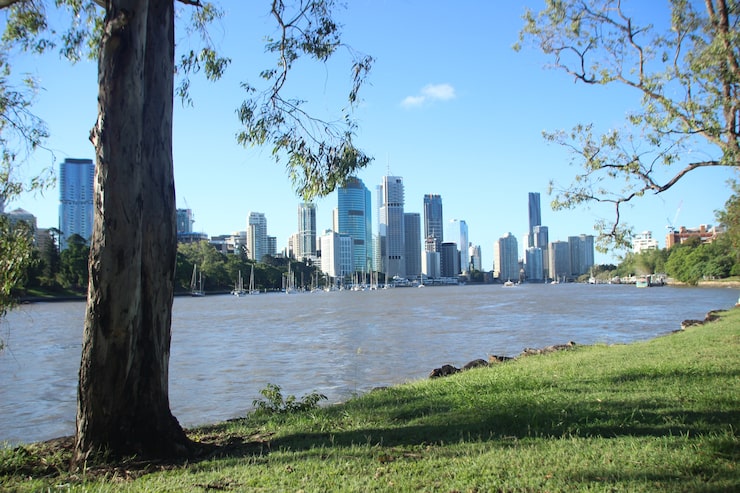
Melbourne
 Australia
Australia's coffee, arts, and sport capital, built on laneways, trams, and an unusually liveable urban grid.
Overview
Melbourne is consistently ranked among the world's most liveable cities, and living there makes the reasons obvious: a walkable central grid threaded with laneways and arcades, an extensive tram network, huge parks, and a cafe culture that genuinely originated the flat white obsession now exported worldwide. For expats it offers a strong professional market in health, education, finance, and tech, plus the country's most active arts, music, and sport calendars. Neighborhoods have sharp identities, from the Greek and Italian streets of Brunswick and Carlton to the Vietnamese food of Footscray and the beach suburb rhythm of St Kilda. The drawbacks are distance from everywhere else, high rents, and weather that changes several times a day.
Why Expats Love It
Expats love Melbourne for quality of life without pretension: excellent food at every price point, genuine cultural depth, strong workplace protections, and easy access to beaches, wine regions, and the Great Ocean Road. Its multicultural makeup means almost every community has a foothold here.
Must Dos
The essential, top gem experiences for the full tourist experience.
Queen Victoria Market
Shop the delis, produce halls, and street food of Queen Victoria Market, and come back for the summer or winter night markets.
Laneway Coffee and Street Art
Walk Hosier Lane and Degraves Street to see the constantly repainted laneway murals and drink at the small espresso bars tucked between them.
National Gallery of Victoria
Visit the National Gallery of Victoria on St Kilda Road for a free permanent collection and the water wall entrance.
Melbourne Cricket Ground
See a match at the Melbourne Cricket Ground, whether Australian rules football in winter or the Boxing Day Test in summer.
Royal Botanic Gardens
Walk the Tan track around the Royal Botanic Gardens Melbourne, then cross into Kings Domain for city skyline views.
Great Ocean Road
Drive the Great Ocean Road to the Twelve Apostles, staying overnight in Apollo Bay rather than rushing it in a single day.
Off the Beaten Path
Live like a local. Special, lesser known experiences for adventurers who want real local flavor.
Coburg Lake and Merri Creek
Follow the Merri Creek trail north to Coburg Lake Reserve, a green corridor locals cycle and swim in on hot days.
Footscray Food Streets
Eat pho and Ethiopian injera along Hopkins Street in Footscray, then browse the Footscray Market for produce at half inner-city prices.
Abbotsford Convent
Spend a morning at the Abbotsford Convent, a repurposed nineteenth century complex of artist studios, bakeries, and lawns beside the Yarra.
Werribee Park and Mansion
Visit Werribee Park, its Italianate mansion, formal rose gardens, and adjoining open range zoo, thirty minutes west by train.
Heide Museum of Modern Art
Explore Heide Museum of Modern Art in Bulleen, the former home of the Reed patrons, with sculpture parks and a kitchen garden.
Point Nepean National Park
Walk the coastal fortifications and quarantine station at Point Nepean National Park at the tip of the Mornington Peninsula.
Cost of Living
1-Bedroom Apartment (City Center)
$1450/mo
3-Bedroom Apartment (City Center)
$2400/mo
Restaurant Meal
$22
Monthly Groceries
$420/mo
Monthly Transportation
$110/mo
Monthly Healthcare
$120/mo
Climate
Melbourne has a temperate oceanic climate famous for changeable weather, with warm to hot summers, mild wet winters, and days that can swing twenty degrees. Locals genuinely carry a jacket in January.
Best Time to Visit
March to May and September to November
Visa & Residency
Written for US citizens
Americans need an ETA for tourist visits of up to three months. Longer stays run through the Working Holiday visa for those under thirty-one, the Skills in Demand and employer nomination routes, the points-tested skilled independent visa, or a student visa. Australia has no dedicated digital nomad visa, and the skilled system is occupation-list driven, so confirm current requirements with the Department of Home Affairs or a registered migration agent.
These notes assume a US passport. If you hold a different nationality, your visa options and timelines may vary. Always confirm current rules with the official embassy or consulate before you commit.
Safety
Melbourne is safe day and night with good street lighting and reliable transport. Usual caution applies late at night around King Street nightlife and on quieter suburban station platforms, and sun protection is a genuine health matter here.
Healthcare
Australia's Medicare system covers residents and citizens of reciprocal-agreement countries, and the Royal Melbourne and Alfred hospitals are world class. Temporary visa holders usually need private health insurance, which is a visa condition for students.
Culture & Lifestyle
Culture
Australians are informal, first-name-basis, and allergic to self-importance, and workplace hierarchies are flatter than most expats expect. Sport is a shared language, particularly Australian rules football, and Melbourne's rivalry with Sydney is a permanent, mostly affectionate topic.
Lifestyle
Life revolves around coffee, trams, and the outdoors: a run along the Yarra, work from a Fitzroy cafe or a Collins Street coworking floor, then a rooftop bar or a gig. Weekends run to the Mornington Peninsula, the Dandenongs, or Yarra Valley wineries.
Language
English, with Mandarin, Greek, Italian, and Vietnamese widely spoken
Currency
Australian Dollar (AUD)
Timezone
AEST (UTC+10), AEDT in summer