
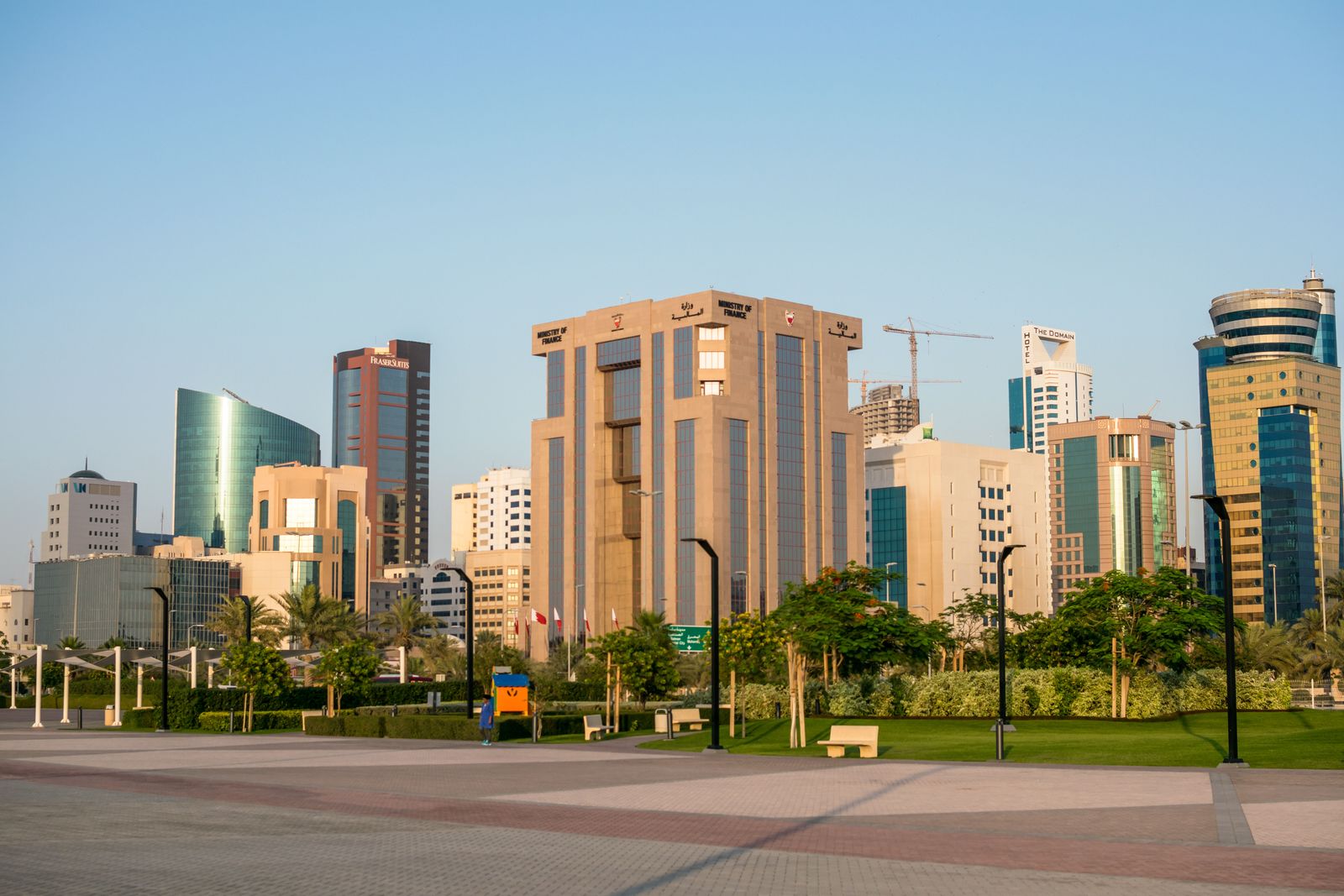
Manama
 Bahrain
Gulf modernity with souqs, sea air, and easy living
Overview
Manama is the clear expat hub of Bahrain, combining a modern skyline, historic souqs, waterfront districts, and a highly international population. It is compact by regional standards, which makes daily life easier than in many larger Gulf capitals. You can move between business towers in Seef, cafe-lined blocks in Adliya, and old-market lanes in central Manama in a short drive. For Americans relocating to the Gulf, it offers a comfortable entry point with strong services, a liberal social atmosphere by regional standards, and quick regional travel connections.
Why Expats Love It
Expats choose Manama for its relatively relaxed lifestyle, broad housing options, and a social scene that is easier to plug into than in many neighboring cities. Digital nomads and remote workers also appreciate the English-friendly environment, solid cafe culture in areas like Adliya and Juffair, and the fact that Bahrain feels less sprawling and more approachable than Dubai or Riyadh.
Must Dos
The essential, top gem experiences for the full tourist experience.
Bab Al Bahrain Souq
Start at Bab Al Bahrain and wander through the Manama Souq for saffron, textiles, perfumes, and old-school coffee shops. Stop for karak or Bahraini sweets as you explore the narrow lanes.
Bahrain National Museum
Visit Bahrain National Museum on the Manama waterfront for the best introduction to Dilmun history, burial mounds, and traditional Bahraini life. The building and sea-facing setting are worth the trip on their own.
Al Fateh Mosque
Tour Al Fateh Grand Mosque in Juffair, one of the largest mosques in the world. Guided visits are often available and are a good way to understand local religion and architecture.
The Avenues Bahrain
Walk The Avenues Bahrain along the waterfront for skyline views, cafes, and air-conditioned shopping. It is especially pleasant around sunset when the bay lights come on.
Qal'at al-Bahrain
Head to Bahrain Fort, also called Qal'at al-Bahrain, for an essential UNESCO-listed look at the island's layered history. Go late in the afternoon, then stay for the lit-up fort and sea views.
Muharraq Pearling Trail
Cross to Muharraq and explore the Pearling Path, where restored merchant houses and cultural centers tell the story of Bahrain's pearling era. Include stops at Sheikh Isa bin Ali House and nearby heritage lanes.
Off the Beaten Path
Live like a local. Special, lesser known experiences for adventurers who want real local flavor.
Block 338 Evenings
Spend an evening in Adliya's Block 338 beyond the headline restaurants, where side streets hold smaller galleries, dessert spots, and local hangouts. It is one of the easiest places to get a feel for Manama's social life.
Haji's Breakfast
Go early to Haji's Cafe near the Manama Souq for a classic Bahraini breakfast with khubz, beans, eggs, and sweet tea. It is simple, local, and far more memorable than another hotel buffet.
Bu Maher Walk
Take the boat connection toward Bu Maher Fort in Muharraq and walk part of the coastal heritage area. It offers a quieter, more atmospheric counterpoint to Bahrain's malls and towers.
Karbabad Seafront
Visit Karbabad village near the fort area for a less polished stretch of coast and neighborhood views. It is a good place to see everyday Bahrain away from expat compounds and shopping centers.
Saar Farmers Market
If you are in town during the cooler season, browse the Budaiya Farmers' Market near Saar for local produce, food stalls, and craft vendors. It gives a more community-focused glimpse of weekend life.
Reef Island Stroll
Walk around Reef Island in the early evening for marina views, quiet promenades, and a look at upscale residential Bahrain. It is calmer than the busier retail districts and popular with local residents out for a stroll.
Cost of Living
1-Bedroom Apartment (City Center)
$950/mo
3-Bedroom Apartment (City Center)
$1650/mo
Restaurant Meal
$18
Monthly Groceries
$280/mo
Monthly Transportation
$32/mo
Monthly Healthcare
$120/mo
Climate
Manama has a hot desert climate, with extremely hot and humid summers from roughly June through September. Winters are mild and pleasant, with most outdoor life happening from late autumn through early spring.
Best Time to Visit
November to March
Visa & Residency
Written for US citizens
US passport holders can typically obtain an eVisa or visa on arrival for short visits, subject to current immigration rules and passport validity requirements. For longer stays, most expats relocate through employer sponsorship, while some residents use investor, family, or other residency pathways. Rules can change, so check Bahrain's official eVisa portal and your sponsoring employer's guidance before travel.
These notes assume a US passport. If you hold a different nationality, your visa options and timelines may vary. Always confirm current rules with the official embassy or consulate before you commit.
Safety
Manama is generally safe for everyday life, and violent crime affecting foreigners is uncommon. Use normal urban caution with valuables, follow local news, and be aware that political demonstrations can occur and should be avoided.
Healthcare
Private hospitals and clinics in Manama are generally good, with many English-speaking doctors and shorter waits than public facilities. Expats usually rely on private insurance and use major providers such as Bahrain Specialist Hospital or the Royal Bahrain Hospital network.
Culture & Lifestyle
Culture
Bahrain is socially more relaxed than some Gulf neighbors, but it is still important to dress respectfully in traditional and government settings and to be mindful during Ramadan. Alcohol is available in licensed venues, yet public behavior is expected to remain conservative and courteous.
Lifestyle
Life in Manama is centered on malls, restaurants, beach clubs, weekend brunches, shisha cafes, and short drives to nearly everything. It suits professionals and long-term travelers who want Gulf convenience without the scale, traffic, or intensity of the region's biggest cities.
Language
Arabic, English widely used
Currency
Bahraini Dinar (BHD)
Timezone
AST (UTC+3)