
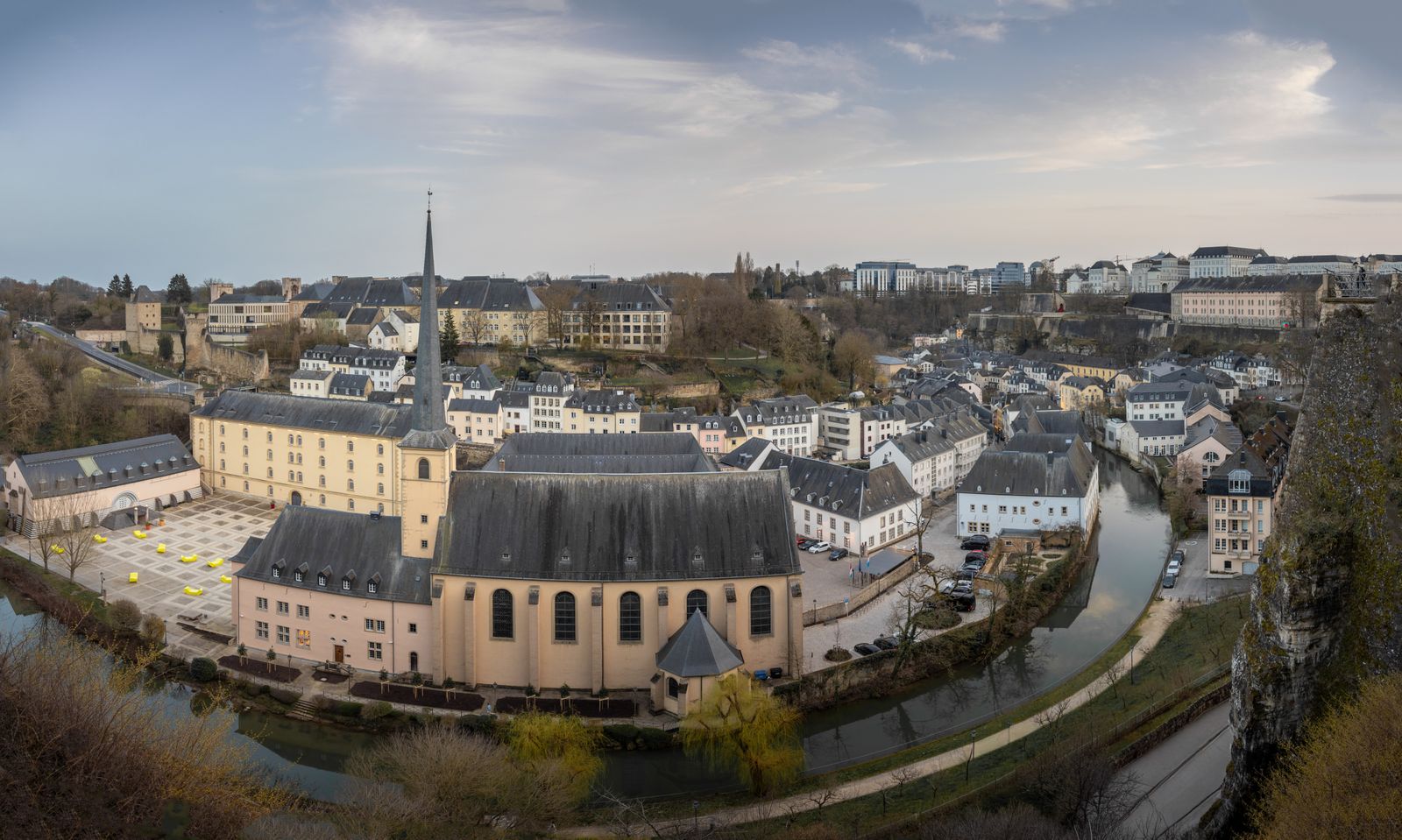
Luxembourg City
 Luxembourg
A tiny capital with grand views and global careers.
Overview
Luxembourg City is the clear expat hub of Luxembourg, a polished European capital built across dramatic cliffs, river valleys, and historic fortifications. It combines medieval old-town beauty with a major international finance and EU presence, so daily life feels both picturesque and highly professional. The city is compact, exceptionally well run, and easy to navigate, with free public transport nationwide. For Americans relocating abroad, it offers a rare mix of safety, high salaries, multilingual life, and quick access to France, Belgium, and Germany.
Why Expats Love It
Expats choose Luxembourg City because it has one of the highest concentrations of international workers in Europe, especially in finance, law, tech, and EU institutions. English is widely used in professional settings, and the city is small enough that commutes are manageable while still offering a cosmopolitan social scene. Digital nomads who can afford it appreciate the infrastructure, central location, and easy weekend travel across the region.
Must Dos
The essential, top gem experiences for the full tourist experience.
Chemin de la Corniche
Walk the famous panoramic promenade above the Alzette valley for classic views over Grund and the old city walls. Go near sunset for the best light on the stone ramparts.
Bock Casemates
Explore the underground tunnels and defensive passages carved into the Bock promontory. The site explains why Luxembourg was once called the Gibraltar of the North.
Grund Quarter
Wander the lower old town along the Alzette River, where quiet lanes, stone bridges, and small bars give the city its most atmospheric side. Take the elevator down from the upper city for a dramatic arrival.
Palace and Old Town
See the Grand Ducal Palace area and stroll the UNESCO listed historic center around Place Guillaume II and Place d'Armes. This is the heart of ceremonial Luxembourg and a great place to feel the city's scale.
Mudam and Park Dräi Eechelen
Visit the contemporary art museum designed by I. M. Pei, then walk the surrounding fort and parkland. The area blends cutting edge architecture with military history and sweeping views.
Pfaffenthal Lift
Ride the free glass elevator linking the upper city with Pfaffenthal for one of the most striking urban viewpoints in Luxembourg City. Pair it with a walk across the nearby Red Bridge area and valley trails.
Off the Beaten Path
Live like a local. Special, lesser known experiences for adventurers who want real local flavor.
Bonnevoie Eats
Spend an evening in Bonnevoie, a diverse residential district south of the center with casual restaurants, bakeries, and a more local rhythm than the old town. It is one of the best areas to see everyday multicultural Luxembourg.
Pétrusse Valley Paths
Follow the green walking trails through the Pétrusse valley below the center, where locals jog, picnic, and cut through the city under old fortress walls. It feels surprisingly secluded for such a central location.
Limpertsberg Cafes
Explore Limpertsberg for neighborhood coffee shops, quieter streets, and a lived in feel just beyond the tourist core. The area is popular with professionals and families and gives a better sense of daily life.
Place de Paris Mornings
Head to the Place de Paris area near Gare for coffee, pastries, and a more urban side of the capital. The neighborhood has rougher edges than the center, but it is lively, practical, and full of everyday routines.
Clausen by Day
Visit Clausen outside nightlife hours to appreciate the old brewery quarter and riverside setting without the evening crowds. It is a good spot to see how former industrial spaces have been reused.
Merl and Belair Walks
Wander the residential districts of Merl and Belair for parks, local food shops, and a calmer view of upper middle class city life. These neighborhoods show why many expats stay longer than planned.
Cost of Living
1-Bedroom Apartment (City Center)
$2400/mo
3-Bedroom Apartment (City Center)
$4200/mo
Restaurant Meal
$35
Monthly Groceries
$450/mo
Monthly Healthcare
$180/mo
Climate
Luxembourg City has a temperate oceanic climate, with cool winters, mild summers, and frequent cloud cover or light rain throughout the year. Summer is pleasant rather than hot, while winter is damp and often gray.
Best Time to Visit
May to September
Visa & Residency
Written for US citizens
US passport holders can visit Luxembourg and the Schengen Area for up to 90 days within any 180 day period without a visa. For longer stays, Americans typically need a residence permit tied to work, self employment, study, or family reasons, and the process usually starts before or soon after arrival depending on permit type. Digital nomad specific visas are not a standard Luxembourg category, so long term remote workers usually need another legal residency basis.
These notes assume a US passport. If you hold a different nationality, your visa options and timelines may vary. Always confirm current rules with the official embassy or consulate before you commit.
Safety
Luxembourg City is one of Europe's safer capitals, with low violent crime rates and reliable public spaces. Petty theft can happen around the train station area, especially late at night, so basic urban awareness still matters.
Healthcare
Healthcare is high quality, modern, and accessible, with strong hospitals and specialists in and around the capital. Residents typically join the national system through employment or legal residence, and many expats add private coverage for faster access or broader provider choice.
Culture & Lifestyle
Culture
This is a multilingual city where people often switch between Luxembourgish, French, German, and English in a single day. Social life can seem reserved at first, but clubs, expat groups, and after work gatherings make it easier to build a network.
Lifestyle
Life here is organized, clean, and efficient, with an emphasis on work life balance, outdoor walks, and long weekends abroad. The tradeoff is cost, especially for housing, dining, and nightlife.
Language
Luxembourgish, French, German, English widely used
Currency
Euro (EUR)
Timezone
CET (UTC+1)