
Lamu
 Kenya
Kenya
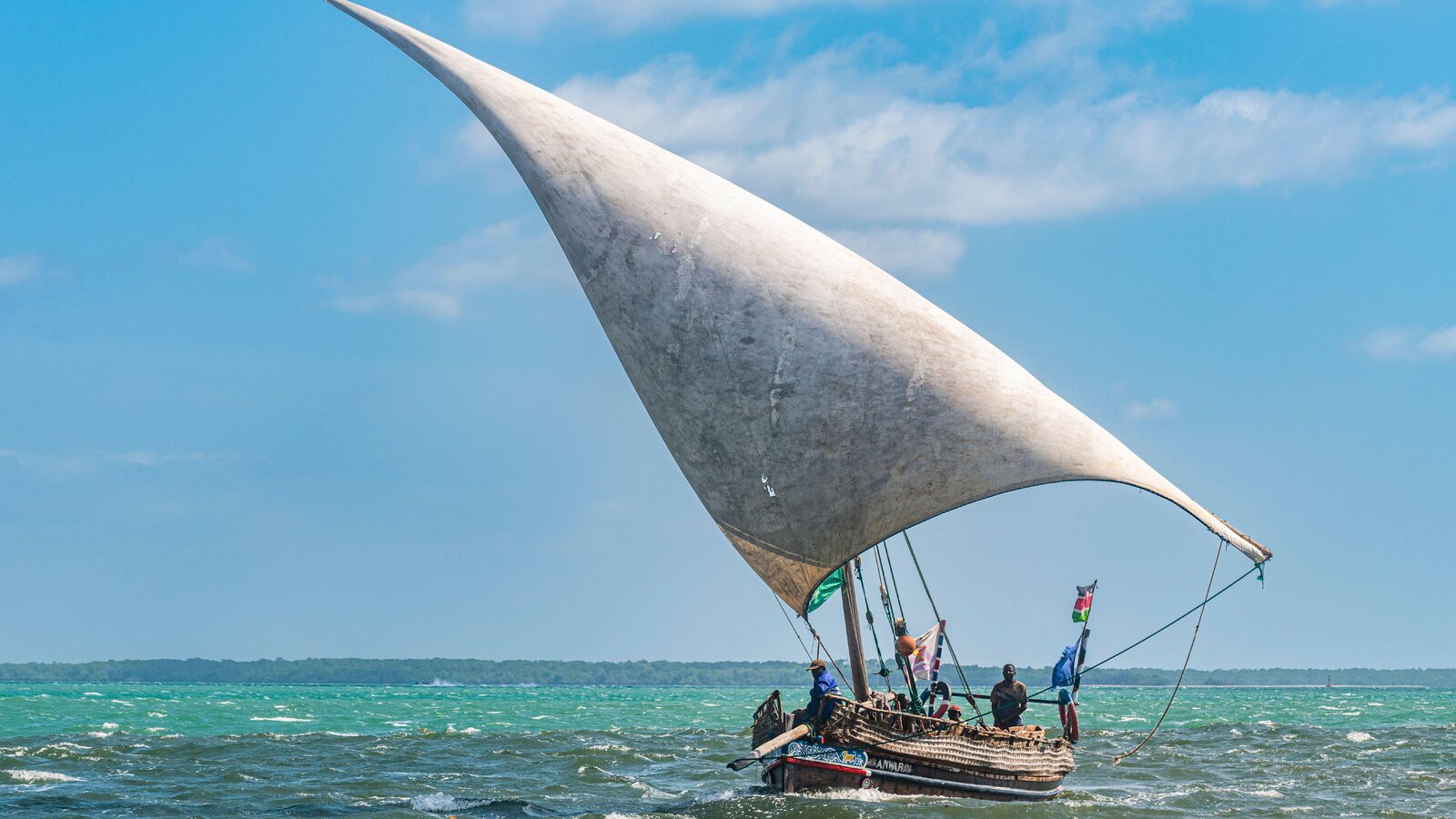
Kenya's car-free island where Swahili culture floats on dhow sails.
Overview
Lamu Old Town, a UNESCO World Heritage site, is the oldest and best-preserved Swahili settlement in East Africa. There are no cars on the island; donkeys, dhows and bare feet are the local transport. Coral-stone houses line narrow alleys so tight that balconies nearly touch overhead, their carved-plaster facades opening onto hidden courtyards fragrant with jasmine and frangipani. The island's Muslim fishing culture has barely changed in centuries, and the annual Maulidi festival, celebrating the Prophet's birthday, draws pilgrims from across the Indian Ocean world. For expats, Lamu offers radical simplicity: cheap seafood, coral-sand beaches, a literary tradition (it has hosted writers' festivals for years), and a digital detox that most people find addictive.
Why Expats Love It
Car-free tranquility, UNESCO Swahili heritage, gorgeous beaches, dhow culture, and a creative atmosphere that has drawn artists and writers for decades.
Must Dos
The essential, top gem experiences for the full tourist experience.
Lamu Old Town walk
Lose yourself in the coral-stone alleys of the UNESCO World Heritage settlement.
Dhow sailing trip
Cruise to Manda Island on a traditional hand-built wooden sailing vessel.
Shela Beach
Walk the 12-km sand dune beach stretching from the village to the open ocean.
Lamu Museum
Learn about Swahili coastal culture, dhow navigation and Siyu's warrior tradition.
Lamu Fort
Visit the 19th-century Omani fort now housing cultural exhibitions.
Seafood dinner at Peponi
Eat grilled lobster and Swahili coconut fish at the legendary waterfront hotel.
Off the Beaten Path
Live like a local. Special, lesser known experiences for adventurers who want real local flavor.
Matondoni village
Walk or donkey-ride to the dhow-building village and watch craftsmen shape hulls by hand.
Kipungani Beach
Boat to the remote western tip of Lamu Island for deserted white sand.
Takwa ruins on Manda
Explore the abandoned 16th-century Swahili town hidden in the mangroves.
Donkey Sanctuary
Visit the charity that cares for the island's working donkeys.
Lamu Yoga Festival
Join the annual wellness gathering held in a historic waterfront space.
Sunset from the rooftop of Lamu House
Climb to a hotel rooftop for views over the channel, dhows and the distant mainland.
Cost of Living
1-Bedroom Apartment (City Center)
$300/mo
3-Bedroom Apartment (City Center)
$550/mo
Restaurant Meal
$4
Monthly Groceries
$130/mo
Monthly Transportation
$15/mo
Monthly Healthcare
$15/mo
Climate
Tropical; hot year-round, cooler June to September with trade winds.
Best Time to Visit
June to October, January to March
Visa & Residency
Written for US citizens
U.S. citizens traveling to Kenya, including the coastal town of Lamu, typically obtain an e-visa before arrival, with tourist visas generally valid for up to 90 days. Extensions may be possible through the Department of Immigration, though border runs are not a commonly recommended long-term strategy. Kenya does not currently offer a dedicated digital nomad visa, but long-stay options include work permits tied to employer sponsorship, investor permits for those establishing a business, and residence permits for those with qualifying employment or family connections. A retirement-specific visa pathway is not prominently established, though some retirees pursue long-stay arrangements through other permit categories. Income thresholds and documentation requirements vary by permit class. Confirm current requirements with the Kenyan embassy or consulate before relocating.
These notes assume a US passport. If you hold a different nationality, your visa options and timelines may vary. Always confirm current rules with the official embassy or consulate before you commit.
Safety
Peaceful island; Kenya travel advisories occasionally flag the coast region, but Lamu town itself is calm.
Healthcare
King Fahad District Hospital for basics; Mombasa or Nairobi for anything complex.
Culture & Lifestyle
Culture
One of the oldest living Swahili towns; donkey transport, dhow building, and coral architecture unchanged for centuries.
Lifestyle
Morning swims, rooftop reading, dhow sailing, and seafood dinners by lantern light.
Language
Swahili, English
Currency
KES
Timezone
UTC+3