Lagos
 Nigeria
Africa’s electric megacity by the Atlantic
Overview
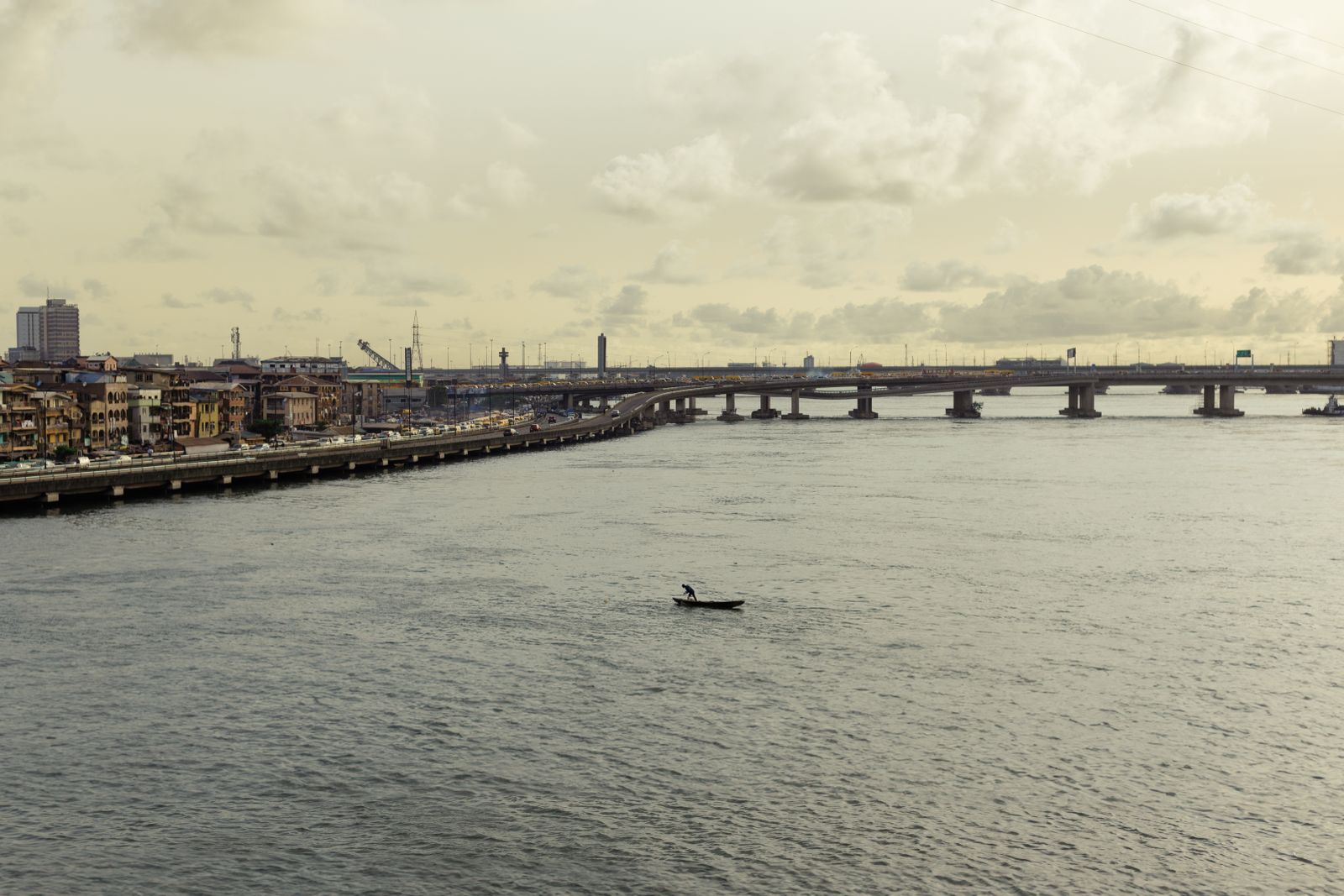
Lagos is Nigeria’s commercial capital, a sprawling coastal city of islands, bridges, beaches, startups, and relentless energy. It is the country’s biggest expat hub, with the strongest mix of business opportunities, international schools, modern apartments, and social life. Neighborhoods like Victoria Island, Ikoyi, and Lekki are where most foreigners base themselves, while the mainland gives you a fuller feel for everyday Lagos. Expect traffic, humidity, creativity, and one of the most dynamic urban cultures anywhere in Africa.
Why Expats Love It
Expats and digital nomads choose Lagos because it offers the best infrastructure in Nigeria for international living, including coworking spaces, private clinics, upscale housing, and a deep pool of professional contacts. It is also one of Africa’s most exciting cities for music, art, fashion, fintech, and food, so work and social life rarely feel dull. For people who can handle the pace, Lagos can be both lucrative and exhilarating.
Must Dos
The essential, top gem experiences for the full tourist experience.
Nike Art Gallery
Explore one of West Africa’s best known galleries in Lekki, packed with Nigerian paintings, textiles, sculpture, and craft across several floors.
Lekki Conservation Centre
Walk the famous canopy bridge above the trees and spot monkeys, birds, and wetland scenery inside this major urban nature reserve.
Tarkwa Bay Beach
Take a boat from Victoria Island or Marina to this calmer beach, popular for swimming, beginner surfing, and a laid back day by the water.
Freedom Park
Visit this former colonial prison on Lagos Island, now a cultural venue with live music, food stalls, and regular events in a historic setting.
New Afrika Shrine
Experience Lagos nightlife at the spiritual home of the Kuti legacy in Ikeja, where live Afrobeat performances often run deep into the night.
Terra Kulture
Catch contemporary Nigerian theater, browse books and art, and eat local dishes at this important cultural center on Victoria Island.
Off the Beaten Path
Live like a local. Special, lesser known experiences for adventurers who want real local flavor.
Bogobiri Courtyard
Spend an evening in Ikoyi at this artsy boutique hotel and bar, known for intimate live music, poetry nights, and a more local creative crowd.
Jaekel House
Step into railway history in Ebute Metta at this small colonial era museum near the old Nigerian Railway compound, a place many visitors miss.
Makoko Waterfront Tour
Go with a trusted local guide to understand this stilt community’s daily life on the lagoon, and avoid turning it into voyeurism by choosing community led visits.
Omu Resort Axis
Head beyond central Lagos toward Bogije for a day trip mix of amusement rides, small wildlife attractions, and family friendly local energy.
Tejuosho and Yaba Streets
Wander Yaba for street food, fashion, and startup energy, especially around Tejuosho Market and nearby side streets where young Lagos really moves.
Jhalobia Garden
Escape the traffic near the airport at this quiet garden and art space in Ikeja, a surprisingly peaceful stop for sculpture, greenery, and a slow lunch.
Cost of Living
1-Bedroom Apartment (City Center)
$1400/mo
3-Bedroom Apartment (City Center)
$2800/mo
Restaurant Meal
$18
Monthly Groceries
$250/mo
Monthly Transportation
$35/mo
Monthly Healthcare
$120/mo
Climate
Lagos has a tropical wet and dry climate, hot and humid year round. The main rainy season runs roughly from April to July, with another wetter stretch in September and October, while the driest and most comfortable period is usually from November to February.
Best Time to Visit
November to February
Visa & Residency
Written for US citizens
US passport holders generally need a visa before arrival for Nigeria, and requirements can change, so check the Nigerian Immigration Service and the nearest Nigerian embassy or consulate before travel. Short stay business and tourist visas are common, but there is no simple long stay digital nomad visa specifically for Nigeria at this time. Many expats stay through employer sponsorship, business arrangements, or other residence permit pathways tied to work or investment.
These notes assume a US passport. If you hold a different nationality, your visa options and timelines may vary. Always confirm current rules with the official embassy or consulate before you commit.
Safety
Lagos is not a war zone, and many expats live there successfully, but crime, scams, and security concerns are real, and US government advisories for Nigeria remain serious. Use vetted drivers, avoid moving around late at night without local guidance, and choose accommodation with strong security, especially in Victoria Island, Ikoyi, or Lekki.
Healthcare
Lagos has several reputable private hospitals and clinics used by expats, but public healthcare standards are inconsistent. Most foreigners carry private insurance, use private facilities, and keep evacuation coverage for major emergencies.
Culture & Lifestyle
Culture
Lagos is fast, social, entrepreneurial, and status conscious, but also famously warm once you build relationships. Dress is often stylish, greetings matter, and patience helps, especially with traffic, service delays, and flexible timing.
Lifestyle
Life in Lagos can feel intense but rewarding, with beach clubs, rooftop bars, galleries, Afrobeats nightlife, churches, gyms, and weekend getaways all part of the mix. Most expats build their routines around island neighborhoods because they offer shorter commutes, better security, and easier access to restaurants and business hubs.
Language
English is the official language, with Yoruba widely spoken, plus Pidgin English and many other Nigerian languages
Currency
Nigerian Naira (NGN)
Timezone
WAT (UTC+1)