
Kyoto
 Japan
Japan
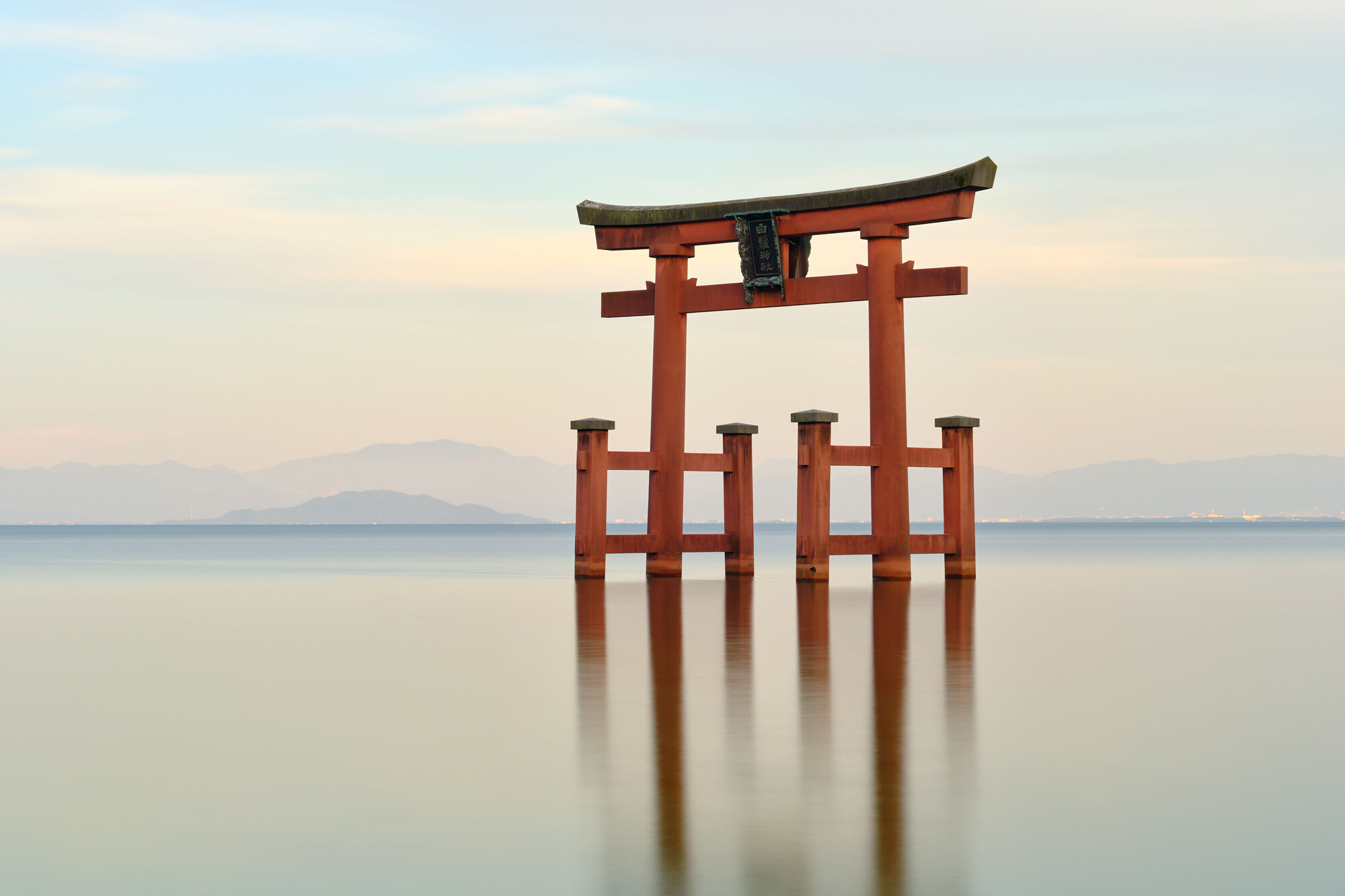
Japan's cultural heart, where a thousand years of temples, gardens, and craft traditions sit inside a comfortable, bikeable modern city.
Overview
Kyoto was Japan's capital for over a millennium and it still holds the country's deepest concentration of temples, shrines, gardens, and preserved wooden streets, seventeen of which carry UNESCO World Heritage status. For expats it offers something Tokyo cannot: a city small enough to cross by bicycle, quiet residential neighborhoods, and a genuine relationship with the seasons, while remaining a serious academic and technology center thanks to Kyoto University, Nintendo, and Kyocera. Living here means learning to move around the tourist flows, which concentrate heavily in Gion, Arashiyama, and Fushimi. Rents are far below Tokyo's, the grid layout makes navigation simple, and Osaka is under thirty minutes away by train.
Why Expats Love It
Expats love Kyoto for daily beauty and calm without giving up urban convenience, and for a slower, more traditional Japan that still has good coffee, coworking, and international schools. The cycling culture, the surrounding mountains, and the strength of local craft and food traditions keep people here for years longer than they planned.
Must Dos
The essential, top gem experiences for the full tourist experience.
Fushimi Inari Taisha
Climb the tunnel of vermilion gates at Fushimi Inari Taisha at sunrise, continuing past the crowded lower section to the quiet upper mountain paths.
Kinkaku-ji Golden Pavilion
See Kinkaku-ji, the gold-leaf pavilion reflected in its pond, ideally right at opening or in snow.
Arashiyama Bamboo Grove
Walk the Arashiyama Bamboo Grove early, then cross the Togetsukyo Bridge and visit the moss gardens at Tenryu-ji.
Kiyomizu-dera and Higashiyama
Climb through the preserved lanes of Higashiyama to Kiyomizu-dera and its enormous wooden veranda over the hillside.
Nishiki Market
Eat your way down Nishiki Market, the covered food street locals call Kyoto's kitchen, sampling pickles, tofu, and grilled skewers.
Philosopher's Path
Follow the Philosopher's Path along the canal from Ginkaku-ji to Nanzen-ji, a short walk that is spectacular during cherry blossom and autumn leaves.
Off the Beaten Path
Live like a local. Special, lesser known experiences for adventurers who want real local flavor.
Kurama to Kibune Hike
Take the Eizan railway to Kurama, hike over the mountain past Kurama-dera to Kibune, and eat riverside before returning.
Daitoku-ji Subtemples
Wander the walled complex of Daitoku-ji in northern Kyoto, where several small subtemples keep exquisite dry gardens almost empty of visitors.
Fushimi Sake District
Tour the sake breweries of the Fushimi district, including Gekkeikan Okura Sake Museum, along the old canal where boats once loaded barrels.
Ohara and Sanzen-in
Ride the bus north to the mountain village of Ohara and its moss-carpeted Sanzen-in temple, a genuinely tranquil half day.
Kyoto Botanical Gardens
Spend a morning in the Kyoto Botanical Gardens beside the Kamo River, a local favorite with a large conservatory and few tourists.
Demachiyanagi Kamo Delta
Join families and students at the Kamo Delta near Demachiyanagi, where the two rivers meet and people cross on stepping stones.
Cost of Living
1-Bedroom Apartment (City Center)
$700/mo
3-Bedroom Apartment (City Center)
$1400/mo
Restaurant Meal
$10
Monthly Groceries
$320/mo
Monthly Transportation
$60/mo
Monthly Healthcare
$130/mo
Climate
Kyoto sits in a basin ringed by mountains, which makes summers notably hot and humid and winters cold and damp with occasional snow. The rainy season runs through June, and autumn is clear and crisp.
Best Time to Visit
Late March to April and October to November
Visa & Residency
Written for US citizens
Americans receive 90 days on arrival as tourists. Longer stays require a sponsored route such as a work visa, the Highly Skilled Professional points-based visa, a student visa, or the business manager visa, and Japan also runs a six-month digital nomad visa for nationals of qualifying countries who meet a high income threshold. Sponsorship paperwork takes time, so confirm current requirements with a Japanese consulate before committing.
These notes assume a US passport. If you hold a different nationality, your visa options and timelines may vary. Always confirm current rules with the official embassy or consulate before you commit.
Safety
Kyoto is extremely safe, with negligible violent crime and a strong culture of returning lost property. The main practical risks are summer heat exhaustion and bicycle rules, which are enforced more strictly than visitors expect.
Healthcare
Japan's national health insurance covers residents at seventy percent and enrollment is mandatory, keeping costs low. Kyoto University Hospital is a leading facility, though English-speaking doctors are less common than in Tokyo, so an interpreter service is worth arranging.
Culture & Lifestyle
Culture
Kyoto is the most formal city in Japan, with an indirect communication style and a strong sense of insider and outsider that takes patience to navigate. Learning basic Japanese, following neighborhood rubbish rules, and staying quiet on transit go a long way.
Lifestyle
Daily life is bicycle-based and seasonal, structured around morning temple walks, convenience-store efficiency, and small neighborhood restaurants. Nomads work from cafes along the Kamo River and coworking spaces near Karasuma, and weekends run to Nara, Osaka, or the hills of Kurama.
Language
Japanese, with limited English outside tourist areas and universities
Currency
Japanese Yen (JPY)
Timezone
JST (UTC+9)