
Kuala Lumpur
 Malaysia
A modern, affordable Southeast Asian capital with world class food, strong infrastructure, and easy regional travel.
Overview
Kuala Lumpur blends glass tower modernity with historic neighborhoods, major shopping districts, and one of Asia's best food scenes. For expats and digital nomads, it offers relatively low living costs, widespread English use, reliable internet, and excellent air connections across the region. The city is multicultural, with strong Malay, Chinese, and Indian influences shaping daily life. Many newcomers choose KL for its mix of comfort, convenience, and value.
Why Expats Love It
Expats love Kuala Lumpur for its affordable high rise housing, great malls, diverse neighborhoods, and easy access to excellent local and international food. It is also a practical base for remote work thanks to strong connectivity, modern healthcare, and major regional flight links.
Must Dos
The essential, top gem experiences for the full tourist experience.
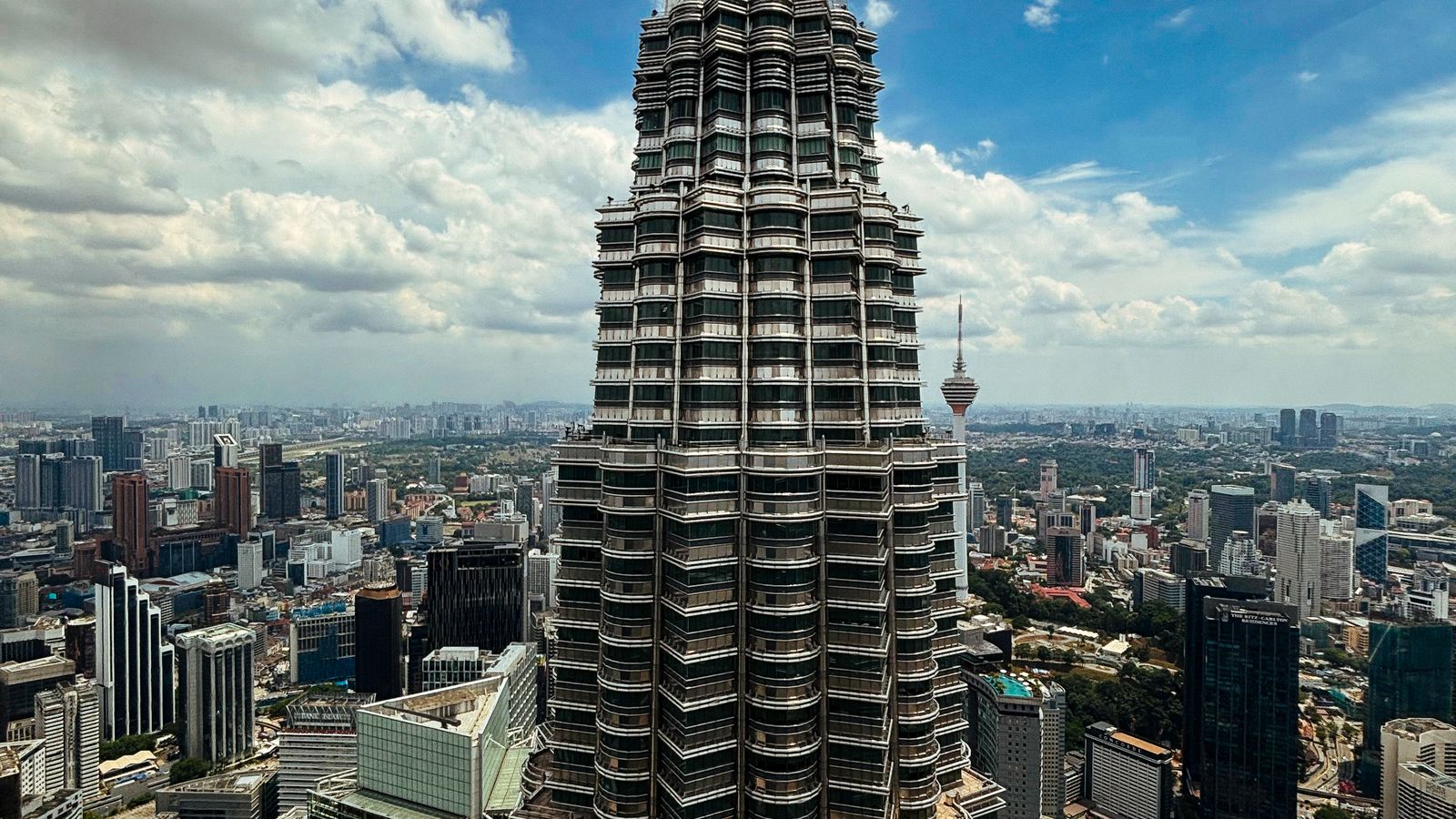
Petronas Twin Towers
See Kuala Lumpur's defining skyline icon from KLCC Park, then book the Skybridge and observation deck for city views. Stay after dark when the towers glow and the fountain area fills with locals and visitors.
Batu Caves Steps
Climb the colorful staircase to the Hindu shrine caves in Gombak and look up at the giant golden Murugan statue. Go early to beat the heat, crowds, and the cheeky macaques near the entrance.
Merdeka Square Walk
Explore the historic core around Dataran Merdeka, the Sultan Abdul Samad Building, and the Royal Selangor Club. It is the best place to understand colonial Kuala Lumpur and Malaysia's independence story in one compact area.
Bukit Bintang Nightlife
Spend an evening in Bukit Bintang, especially Jalan Alor for hawker food and Changkat for bars and late-night energy. This is central KL at its most lively, chaotic, and easy for first-timers.
Thean Hou Temple Visit
Head up to Thean Hou Temple in Seputeh for one of KL's most beautiful Chinese temples, with red lanterns, city views, and ornate halls. It is especially photogenic around Lunar New Year, but peaceful on regular mornings too.
KL Tower Panorama
Ride up Menara Kuala Lumpur for a sweeping 360 degree view that includes the Petronas Twin Towers in the skyline. The tower sits in the Bukit Nanas forest reserve, so you get both urban and green scenery in one stop.
Off the Beaten Path
Live like a local. Special, lesser known experiences for adventurers who want real local flavor.
Pudu Wet Market Breakfast
Start at Pudu Market before mid-morning for a gritty, authentic look at daily KL life, then eat nearby at old coffee shops and hawker stalls. Try chee cheong fun, curry noodles, or a strong kopi in the surrounding lanes.
Kampung Baru Supper Crawl
Cross into Kampung Baru for a rare pocket of traditional Malay village life beside the skyline. Eat nasi lemak, satay, and ikan bakar around Jalan Raja Muda Musa, especially in the evening when families come out to dine.
Chow Kit Market Morning
Walk through Pasar Chow Kit, one of the city's most local markets, where traders sell vegetables, spices, fish, and meat to neighborhood regulars. The area gives you a more working-class, unpolished side of KL than the polished malls downtown.
Zhongshan Building Hangout
Spend a few hours in the Zhongshan Building in Kampung Attap, a creative hub with indie bookstores, cafes, design studios, and occasional pop-ups. It is one of the best places to tap into KL's young arts scene without the tourist crowds.
Brickfields Banana Leaf Lunch
In Brickfields, KL's Little India, eat a proper banana leaf rice meal with curries, vegetables, papadum, and pickles served on a fresh leaf. Walk Jalan Tun Sambanthan after lunch for flower garland shops, Indian grocers, and temple sounds.
Taman Tugu Forest Trail
Go for an easy urban nature walk at Taman Tugu, a shaded forest trail near central KL that many visitors miss. It is best in the morning, when locals come to exercise and the city feels surprisingly distant.
Cost of Living
1-Bedroom Apartment (City Center)
$500/mo
3-Bedroom Apartment (City Center)
$950/mo
Restaurant Meal
$8
Monthly Groceries
$220/mo
Monthly Transportation
$35/mo
Monthly Healthcare
$70/mo
Climate
Kuala Lumpur has a tropical rainforest climate, hot, humid, and rainy year round. Temperatures stay fairly consistent, with frequent afternoon showers and occasional heavier monsoon periods.
Best Time to Visit
May to July, December to February
Visa & Residency
Written for US citizens
Americans can typically enter Malaysia visa free for short stays, commonly up to 90 days, subject to current entry rules and onward travel requirements. Malaysia does not currently offer a standard digital nomad visa specifically for Kuala Lumpur based foreign remote workers in the way some countries do, but longer stay options may include programs such as MM2H for qualifying applicants, which has financial requirements and is not a simple nomad permit.
These notes assume a US passport. If you hold a different nationality, your visa options and timelines may vary. Always confirm current rules with the official embassy or consulate before you commit.
Safety
Kuala Lumpur is generally safe for expats, but petty theft, bag snatching, and phone theft can happen in busy areas and on public transit. Use normal urban precautions, especially at night in entertainment districts and around tourist hotspots.
Healthcare
Kuala Lumpur has strong private hospitals and clinics, many with English speaking staff and international standard care. Costs are usually far below US prices, but comprehensive expat health insurance is still recommended.
Culture & Lifestyle
Culture
KL is multicultural and relatively easy for foreigners to navigate, especially because English is widely spoken in business, housing, and healthcare settings. Respect for local customs matters, particularly around religion, dress in conservative settings, and public behavior during major holidays such as Ramadan.
Lifestyle
Daily life is convenient and urban, with malls, coworking spaces, cafes, and food courts woven into most neighborhoods. Many expats rely on ride hailing, enjoy late night dining, and choose condo living with pools, gyms, and security.
Language
Malay, English, Mandarin, Tamil
Currency
Malaysian Ringgit (MYR)
Timezone
MYT (UTC+8)
Community Discussions
Living costs and getting set up in Kuala Lumpur
KL keeps surprising me with how much city you get for the money: modern condos with pools and gyms, great food courts, and solid transit. For those based here, what does a comfortable monthly budget look like, and which areas would you recommend for someone who wants to be near transit and coworking without paying top dollar?
The condo value is the headline. A furnished unit with full facilities near a transit line costs a fraction of comparable cities, and the food scene means you barely need to cook.
Stay near a train line and you can skip owning a car entirely. That single choice keeps a lot of people's budgets low here.