
Kampala
 Uganda
Seven hills, endless energy
Overview
Kampala is Uganda’s lively capital and the country’s clear center for expats, NGOs, startups, and remote workers. Built across a series of hills on the northern edge of Lake Victoria, it mixes busy markets, leafy residential areas, new malls, buzzing nightlife, and strong East African business connections. It is chaotic at times, but also warm, social, and surprisingly easy to settle into once you learn the rhythm of the city. For most foreigners living in Uganda, Kampala is the practical and social base.
Why Expats Love It
Expats choose Kampala because it has the best mix of international schools, private hospitals, coworking options, reliable neighborhoods, and social networks in Uganda. Digital nomads like the low day to day costs, active cafe culture in areas like Kololo and Bugolobi, and the fact that weekend escapes to Jinja, Entebbe, and Lake Victoria are easy.
Must Dos
The essential, top gem experiences for the full tourist experience.
Kasubi Tombs
Visit this UNESCO site in Kampala to learn about the Buganda Kingdom at the royal burial grounds on Kasubi Hill. Go with a guide for the cultural context and reconstruction story after the 2010 fire.
Gaddafi Mosque
Climb the minaret at the Uganda National Mosque on Old Kampala Hill for one of the best panoramic views over the city’s hills and dense neighborhoods. Dress modestly and allow time for the mosque tour.
Kabaka's Palace Trail
Explore Lubiri in Mengo and the nearby Idi Amin torture chambers to understand a darker chapter of Ugandan history. Pair it with Bulange, the Buganda parliament building, for royal heritage context.
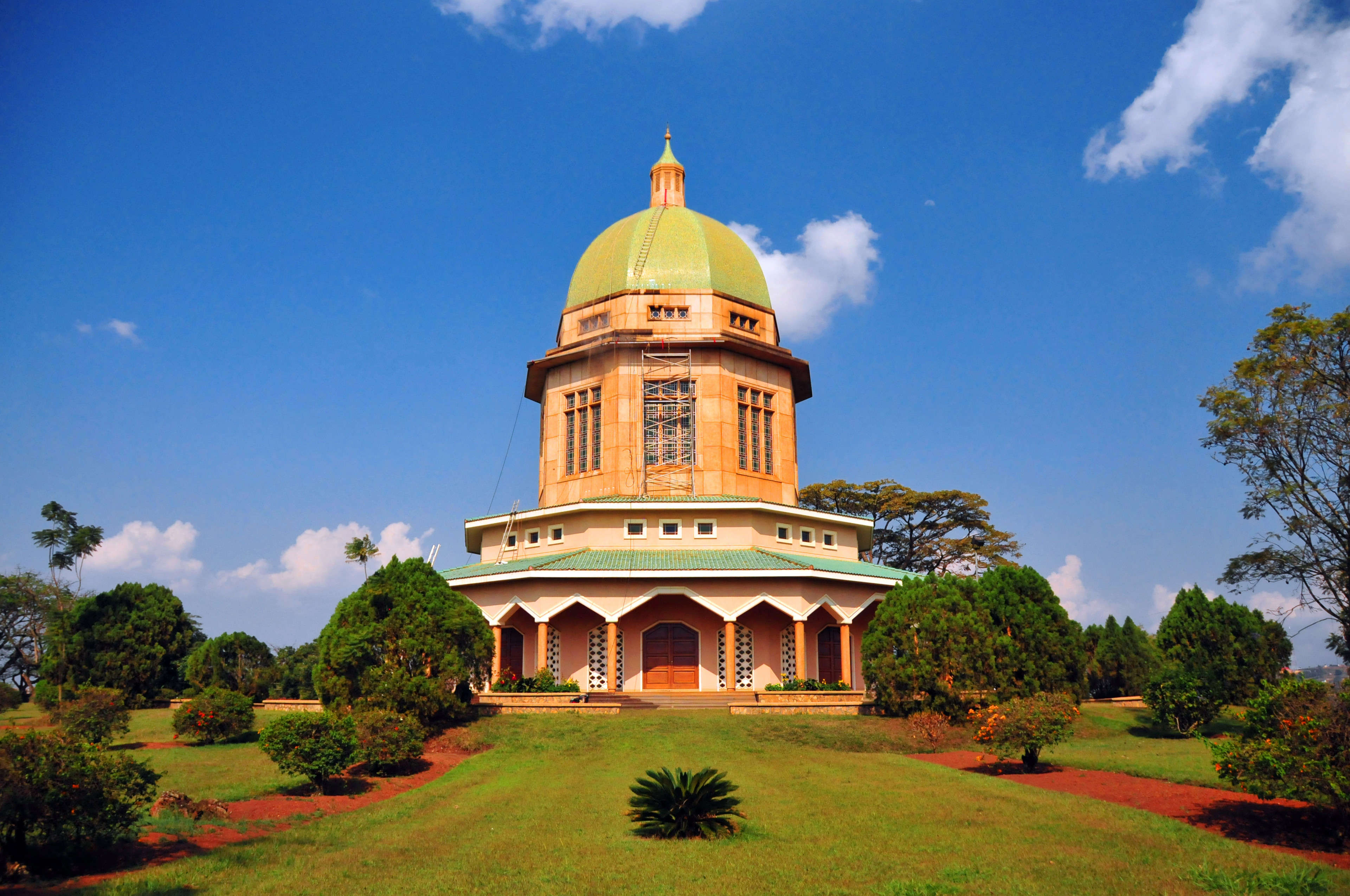
Bahai Temple Grounds
Spend a peaceful afternoon at the Bahai House of Worship on Kikaya Hill, the only Bahai temple in Africa. The gardens are quiet, green, and a complete contrast to central Kampala traffic.
Ndere Centre Night
Watch traditional dance, drumming, and storytelling performances at the Ndere Cultural Centre in Ntinda. It is one of the best introductions to Uganda’s many regional cultures in one evening.
Lake Victoria Escape
Head to Munyonyo or Ggaba for a boat outing on Lake Victoria and a slower side of Kampala life. Sunset by the water gives you a break from the city’s intensity.
Off the Beaten Path
Live like a local. Special, lesser known experiences for adventurers who want real local flavor.
Kisementi Evenings
Wander the small Kisementi strip in Kololo for cafes, casual bars, and people watching that feels more neighborhood than tourist attraction. It is a good place to get a feel for everyday expat social life.
32 Degrees North
Work or linger at this artsy cafe and creative space in Kabalagala, known for coffee, design shops, and a laid back crowd. It is one of the more local feeling places to meet Kampala’s creative scene.
Nakasero Market Mornings
Shop the back lanes of Nakasero Market for fresh passion fruit, matoke, spices, and everyday city energy. Go early, bring cash, and expect a more authentic market experience than a mall supermarket.
Muyenga Hill Cafes
Explore the quieter cafe and restaurant pockets around Tank Hill Road in Muyenga, where many long term expats actually spend their weekends. The area has breezy views and a more residential rhythm.
Nommo Gallery Stop
Drop into Nommo Gallery on Victoria Avenue to see rotating exhibitions by Ugandan artists in a low key setting. It is central, often overlooked, and an easy cultural break between errands.
Ggaba Landing Site
Visit the fish market and lakeside landing site in Ggaba to see boats come in and daily trade in motion. Stay for grilled tilapia at a simple local spot rather than the polished waterfront venues.
Cost of Living
1-Bedroom Apartment (City Center)
$650/mo
3-Bedroom Apartment (City Center)
$1400/mo
Restaurant Meal
$12
Monthly Groceries
$180/mo
Monthly Transportation
$35/mo
Monthly Healthcare
$140/mo
Climate
Kampala has a mild tropical climate thanks to its elevation, so temperatures are usually warm rather than extreme. Expect two rainy seasons, roughly March to May and September to November, with sunshine possible year round.
Best Time to Visit
June to August, and December to February
Visa & Residency
Written for US citizens
US passport holders generally need an e-visa before arrival for tourism or business travel. Single entry tourist visas are commonly issued for short stays, and the East Africa Tourist Visa can also be useful if you plan to combine Uganda with Kenya and Rwanda. For longer stays, expats usually need a work permit, dependent pass, or other residency status arranged through an employer, organization, or qualifying investment.
These notes assume a US passport. If you hold a different nationality, your visa options and timelines may vary. Always confirm current rules with the official embassy or consulate before you commit.
Safety
Kampala is manageable for expats, but petty theft, phone snatching, and opportunistic crime are real concerns, especially after dark and in crowded areas. Use trusted ride apps, avoid displaying valuables, and stay alert around nightlife zones and busy transport hubs.
Healthcare
Kampala has the country’s best private hospitals and clinics, including International Hospital Kampala and Nakasero Hospital, which handle routine and many urgent needs well. For very complex treatment, some expats still prefer evacuation or referral to Nairobi, South Africa, or Europe, so strong insurance is important.
Culture & Lifestyle
Culture
Ugandans are generally warm, polite, and community minded, and greetings matter in daily interactions. Dress is fairly relaxed in expat neighborhoods, but modest clothing is appreciated in more conservative settings and when visiting religious or official sites.
Lifestyle
Life in Kampala can be very comfortable if you choose the right neighborhood, with popular expat areas including Kololo, Naguru, Bugolobi, Muyenga, and Munyonyo. The social scene is active, with rooftop bars, live music, gyms, churches, sports clubs, and easy weekend trips out of the city.
Language
English, Luganda, Swahili
Currency
Ugandan shilling (UGX)
Timezone
EAT (UTC+3)