
Istanbul
 Turkey
A transcontinental megacity with historic character, strong amenities, and relatively affordable big-city living
Overview
Istanbul is Turkey’s largest city and its economic and cultural center, spread across both Europe and Asia along the Bosphorus. For expats and digital nomads, it offers a rare mix of global-city energy, deep history, excellent food, and neighborhoods that range from traditional and family-oriented to modern and creative. The city has strong air connections, a huge housing market, and broad coworking and cafe options, though daily life can feel intense because of traffic, crowds, and inflation. Many foreigners choose Istanbul for its lifestyle value, scenic waterfront living, and access to both Europe and the Middle East.
Why Expats Love It
Expats are drawn by lower costs than most major Western cities, vibrant neighborhoods like Kadikoy, Cihangir, and Besiktas, and easy access to culture, nightlife, ferries, and weekend trips. The city also offers excellent private healthcare, strong shopping and dining, and one of the world’s most distinctive urban settings.
Must Dos
The essential, top gem experiences for the full tourist experience.
Hagia Sophia at Sunrise
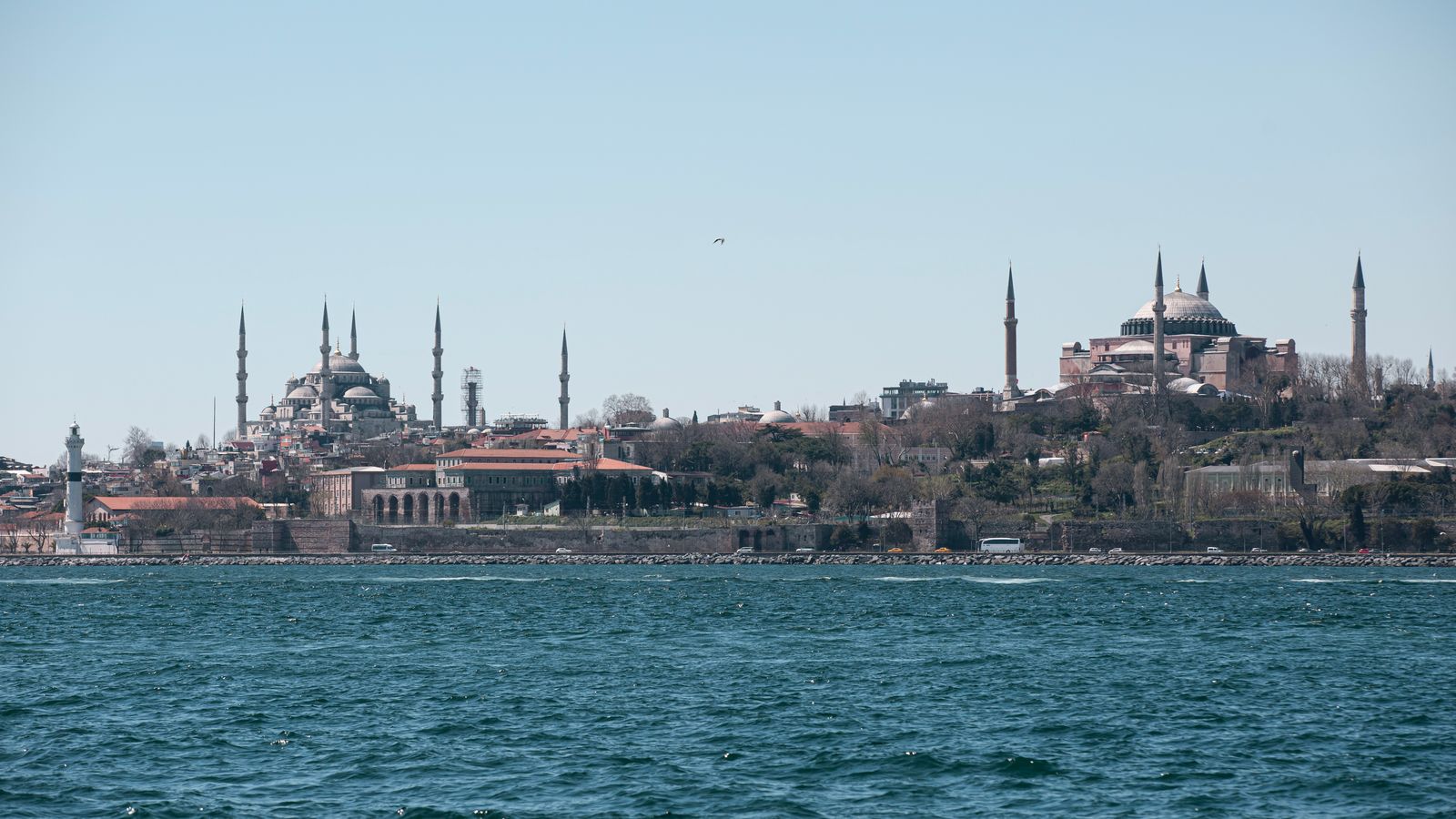
Arrive early in Sultanahmet to see Hagia Sophia before the biggest tour groups, then linger in the square as the old Byzantine church and Ottoman mosque catches the morning light. It is the city’s essential monument, and the surrounding area puts you steps from the Blue Mosque and Basilica Cistern.
Blue Mosque and Sultanahmet
Step inside the Sultan Ahmed Mosque to see its cascading domes, Iznik tiles, and vast prayer hall, then walk the historic Sultanahmet district on foot. This is the classic first time Istanbul experience, where imperial mosques, ancient hippodrome monuments, and postcard views all sit together.
Bosphorus Ferry to Kadikoy
Take a public Sehir Hatlari ferry from Eminonu or Karakoy across the Bosphorus instead of a private cruise, and sit outside with tea as palaces, minarets, and seagulls slide past. Finishing in Kadikoy gives you both the iconic water crossing and a taste of the Asian side.
Topkapi Palace Treasury
Explore the courtyards, harem, and treasury of Topkapi Palace, the seat of the Ottoman sultans above the Golden Horn and Bosphorus. The imperial pavilions and views from the Fourth Court make this one of Istanbul’s most memorable historic sites.
Grand Bazaar and Spice Bazaar
Wander the covered lanes of Kapalicarsi, then continue downhill to Misir Carsisi in Eminonu for saffron, lokum, sumac, and dried fruit. Even if you buy nothing, the sounds, colors, and bargaining are part of the city’s signature rhythm.
Galata Tower and Istiklal
Climb or visit around Galata Tower, then walk down through Galata and up Istiklal Caddesi toward Taksim, stopping for passageways, churches, and old apartment facades. This route captures the European side of modern Istanbul, lively, layered, and full of street life.
Off the Beaten Path
Live like a local. Special, lesser known experiences for adventurers who want real local flavor.
Balat Backstreets Walk
Spend a morning on foot in Balat, climbing colorful streets like Merdivenli Yokus and browsing small cafes, antique shops, and old storefronts around Vodina Caddesi. The area’s mix of Jewish, Greek Orthodox, and Ottoman heritage feels intimate and local when you get away from the photo corners.
Kadikoy Carsi Meze Crawl
Eat your way through Kadikoy Carsi, stopping for stuffed mussels, kokorec, lahmacun, or a meze and raki table on Guneslibahce Sokak or nearby side streets. This is where Istanbulites actually come to linger, snack, and argue over where the best food is.
Kuzguncuk Neighborhood Stroll
Cross to Uskudar and walk the village like streets of Kuzguncuk, where colorful wooden houses, small bakeries, and neighborhood tea gardens sit a short walk from the Bosphorus. The area is beloved for its old Istanbul feel and its peaceful, lived in atmosphere.
Besiktas Breakfast Bazaar
Join locals for a sprawling Turkish breakfast around Besiktas Carsi, then browse the fish market and side streets packed with students and office workers. Try menemen, kaymak with honey, simit, and endless tea at a traditional breakfast salon.
Beylerbeyi by the Waterfront
Skip the busier shores and linger in Beylerbeyi under the Bosphorus Bridge, where waterfront tea gardens, mosque views, and neighborhood restaurants feel distinctly residential. Come for grilled fish or a long tea break with ferries and fishing boats passing close by.
Cukurcuma Antique Hunt
Roam Cukurcuma between Cihangir and Galatasaray for antique shops, retro objects, and old Istanbul apartment blocks, then stop at a local cafe on Faik Pasa Caddesi. It is one of the city’s best neighborhoods for slow wandering and seeing how bohemian Beyoglu lives off the main drag.
Cost of Living
1-Bedroom Apartment (City Center)
$850/mo
3-Bedroom Apartment (City Center)
$1600/mo
Restaurant Meal
$15
Monthly Groceries
$250/mo
Monthly Transportation
$35/mo
Monthly Healthcare
$80/mo
Climate
Istanbul has a temperate climate with Mediterranean and humid subtropical influences. Summers are warm to hot and often humid, while winters are cool, rainy, and occasionally snowy.
Best Time to Visit
April to June, September to October
Visa & Residency
Written for US citizens
Americans can typically enter Turkey visa-free for tourist stays of up to 90 days within a 180-day period. Turkey does not offer a dedicated digital nomad visa for long-term residence in the standard sense, but some foreigners stay longer through residence permit categories such as short-term residence permits, subject to eligibility, documentation, and changing local enforcement.
These notes assume a US passport. If you hold a different nationality, your visa options and timelines may vary. Always confirm current rules with the official embassy or consulate before you commit.
Safety
Most expats find Istanbul manageable and safe in central areas, but petty theft, scams, and phone snatching can happen in crowded tourist zones and on public transit. Traffic is aggressive, and it is wise to use licensed taxis, reputable ride apps, or ferries when possible.
Healthcare
Istanbul has many modern private hospitals and clinics with internationally trained doctors, and private care is often far more affordable than in the United States. Public hospitals exist, but most expats prefer private facilities for shorter waits and better English support.
Culture & Lifestyle
Culture
Hospitality is a major part of local culture, and expats who learn some Turkish and observe social norms usually integrate more easily. Istanbul is socially diverse and relatively international, but attitudes can vary by neighborhood, from conservative to highly secular and cosmopolitan.
Lifestyle
Daily life can be exciting and full, with ferries, tea gardens, markets, late dinners, and constant cultural activity across the city. Many remote workers build routines around neighborhood cafes and coworking spaces, but commute times can be long, so choosing the right district matters a lot.
Language
Turkish, with some English spoken in tourist, business, and expat areas
Currency
Turkish Lira (TRY)
Timezone
TRT (UTC+3)