
Islamabad
 Pakistan
A calm capital beneath the Margalla Hills
Overview
Islamabad is the best all-around base in Pakistan for expats and digital nomads thanks to its cleaner air, organized layout, and comparatively stable infrastructure. Pakistan’s capital feels very different from the country’s larger, denser cities, with wide avenues, green sectors, and easy access to hiking in the Margalla Hills National Park. It is home to embassies, international organizations, universities, and a steady professional expat community. While it is quieter than Lahore or Karachi, it offers a comfortable landing point for long-term stays.
Why Expats Love It
Expats choose Islamabad because it is easier to navigate, more orderly, and generally more comfortable for daily life than most other Pakistani cities. Internet, private healthcare, international schools, and secure residential areas are better developed here, especially in sectors like F-6, F-7, F-8, and E-7. Digital nomads also like the balance of urban convenience and nature, with cafés, cowork-friendly spots, and quick escapes into the hills.
Must Dos
The essential, top gem experiences for the full tourist experience.
Faisal Mosque Visit
See Islamabad’s iconic Faisal Mosque at the foot of the Margalla Hills, then walk the grounds for sweeping views and striking modern architecture.
Margalla Trail Hike
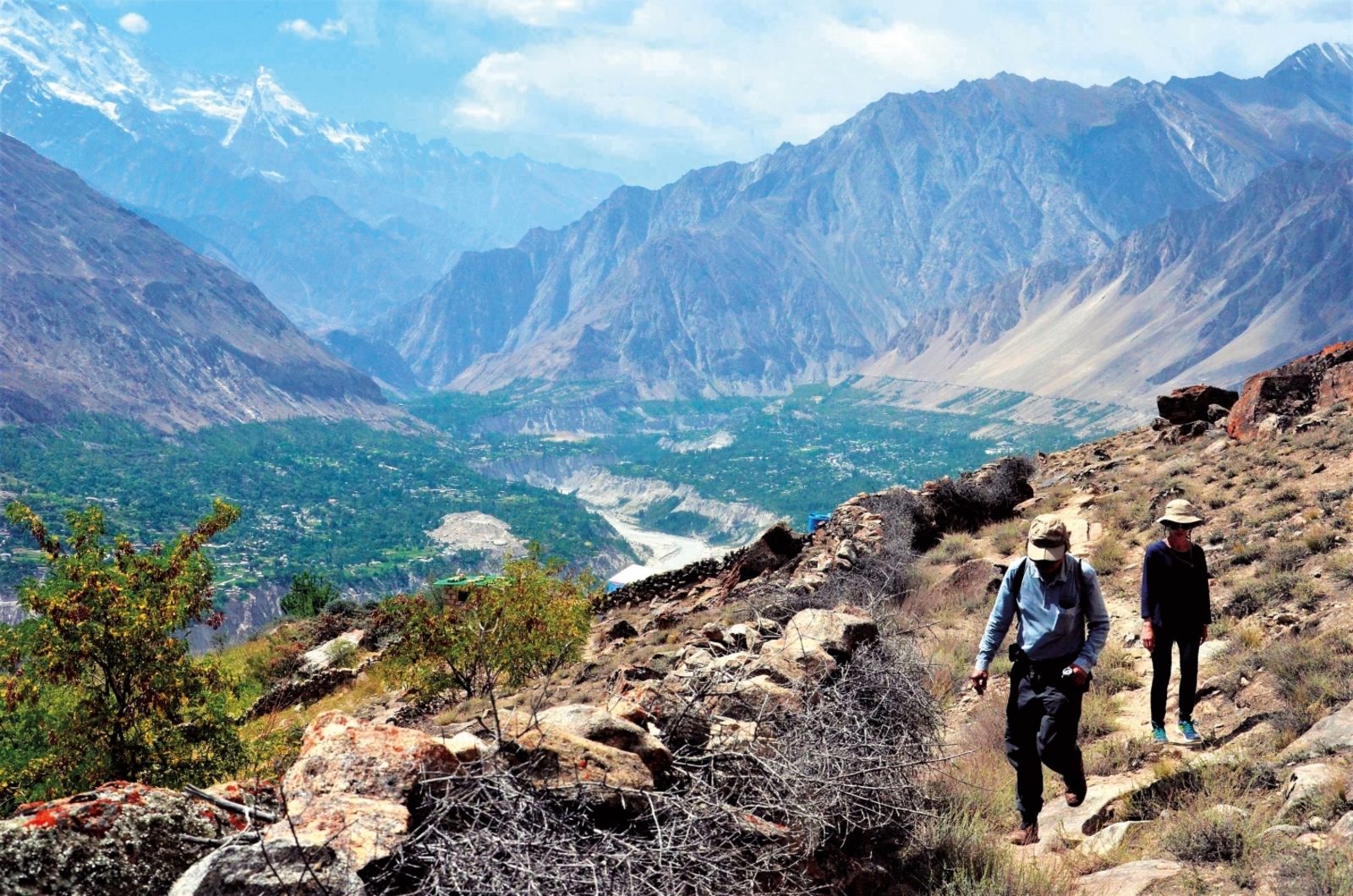
Hike Trail 3 or Trail 5 in Margalla Hills National Park for a local favorite outdoor escape, best started early in the morning to avoid heat.
Daman-e-Koh Sunset
Drive or hike up to Daman-e-Koh for one of the best panoramas over Islamabad’s grid of sectors and the distant Rawal Lake.
Pakistan Monument Museum
Visit the Pakistan Monument and its museum on Shakarparian Hills to get a compact introduction to the country’s history, provinces, and identity.
Lok Virsa Museum
Explore Lok Virsa in Shakarparian, where detailed exhibits on crafts, music, dress, and regional traditions offer one of the city’s best cultural experiences.
Saidpur Village Evening
Spend an evening in Saidpur Village, a restored historic settlement with old temples, village lanes, and restaurants set against the Margalla foothills.
Off the Beaten Path
Live like a local. Special, lesser known experiences for adventurers who want real local flavor.
F-6 Markaz Mornings
Walk through Super Market in F-6 early in the day for bakeries, small bookstores, and a look at everyday upper-middle-class Islamabad life before the evening crowds arrive.
Aabpara Market Eats
Head to Aabpara Market for a more old-school local atmosphere, affordable shopping, and classic street food spots that feel very different from the polished sectors.
Golra Sharif Stop
Visit the Golra Sharif Railway Museum near the old station for a lesser-known slice of rail history, with vintage locomotives and a quieter heritage feel.
Rawal Lake Backroads
Skip the main lookout and explore the less busy roads and edges around Rawal Lake in the early evening, where locals come for cooler air and low-key views.
Melody Food Park
Try Melody in G-6 for casual local dining, especially Pakistani staples and barbecue, in a spot that residents actually use rather than a tourist set piece.
F-9 Park Loops
Spend time in Fatima Jinnah Park, usually called F-9 Park, where joggers, families, and students use its wide loops and green spaces as part of daily city life.
Cost of Living
1-Bedroom Apartment (City Center)
$450/mo
3-Bedroom Apartment (City Center)
$950/mo
Restaurant Meal
$9
Monthly Groceries
$140/mo
Monthly Transportation
$20/mo
Monthly Healthcare
$90/mo
Climate
Islamabad has hot summers, a monsoon season in July and August, and cool winters with chilly evenings. Spring and autumn are the most pleasant, with clearer skies and comfortable temperatures for outdoor life.
Best Time to Visit
March to April, and October to November
Visa & Residency
Written for US citizens
US passport holders generally need a visa to enter Pakistan, but Pakistan’s e-visa system is the usual route for tourism and many short stays. Requirements and approval times can change, so check the official Pakistani visa portal before travel. For longer stays, expats typically rely on work, study, family, or business visa categories rather than tourist status.
These notes assume a US passport. If you hold a different nationality, your visa options and timelines may vary. Always confirm current rules with the official embassy or consulate before you commit.
Safety
Islamabad is widely considered one of Pakistan’s safer cities for foreigners, especially in central residential and diplomatic areas, but the overall country risk environment remains higher than in many expat hubs. Security conditions can shift, demonstrations occur, and some nearby or regional areas may be under stronger advisories, so monitor US State Department guidance and local advice closely.
Healthcare
Islamabad has some of Pakistan’s better private hospitals and clinics, including Shifa International Hospital and facilities in the Rawalpindi-Islamabad metro area. Routine and moderate care are accessible, but many expats still prefer evacuation coverage for highly specialized treatment.
Culture & Lifestyle
Culture
Pakistan is socially conservative, and modest dress is appreciated, especially outside elite neighborhoods and at religious sites. English is common in professional settings, but polite greetings, respect for religion, and some basic Urdu go a long way.
Lifestyle
Life in Islamabad is quieter and more residential than in South Asian megacities, with a strong focus on home gatherings, cafés, family outings, and hill walks. Many expats live in the central sectors or nearby DHA and Bahria areas, using ride-hailing apps and private cars more than public transport.
Language
Urdu and English, with Punjabi and regional languages also widely understood
Currency
Pakistani Rupee (PKR)
Timezone
PKT (UTC+5)