Honiara
 Solomon Islands
Pacific capital, coral seas, frontier energy
Overview
Honiara is the Solomon Islands' capital and by far the country's main expat base, sitting along the north coast of Guadalcanal. It is a small, low-rise Pacific city with government offices, hotels, supermarkets, banks, hospitals, and the best internet and transport links in the country. Life here feels practical rather than polished, but the mix of harbor views, World War II history, and easy access to reefs and outer islands gives it real character. For most foreigners relocating to the Solomon Islands, Honiara is the only city with the services and connections needed for longer stays.
Why Expats Love It
Expats choose Honiara because it is the administrative and commercial center, with the most reliable housing, international flights, private clinics, and business infrastructure in the country. Digital nomads who can tolerate slower, less predictable connectivity like the city for its tropical setting, diving access, and small but established international community.
Must Dos
The essential, top gem experiences for the full tourist experience.
Central Market Visit
Walk Honiara Central Market early in the morning for fresh tuna, slippery cabbage, sweet pineapple, and island-grown cocoa. It is the best place to feel the city's daily rhythm and hear Solomon Islands Pijin all around you.
Guadalcanal Battle Sites
Visit key World War II locations around Honiara and east Guadalcanal, including Bloody Ridge and the Vilu War Museum. The museum's outdoor collection of aircraft and military relics gives helpful context to the island's history.
Bonegi Beach Wrecks
Snorkel or dive the Bonegi I and Bonegi II wrecks just west of Honiara. These Japanese shipwrecks lie close to shore and are among the easiest historic dives in the country.
Mataniko Falls Trip
Head inland from the city to Mataniko Falls for a half-day adventure through forest and river scenery. Go with a local guide, especially in wet weather, because conditions and access can change.
Skyline Ridge View
Drive or hike up toward the ridgelines above Honiara for wide views over Iron Bottom Sound and the city waterfront. Late afternoon light is especially good for photos and cooler air.
Florida Islands Escape
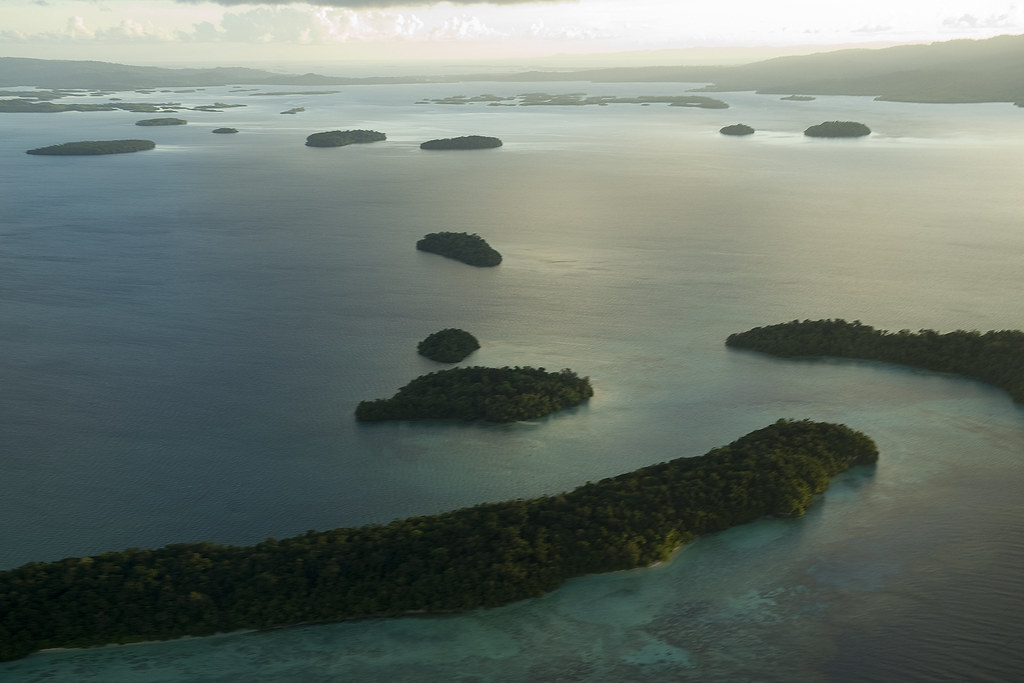
Take a boat trip from the Honiara area to the nearby Nggela or Florida Islands for clear water, village visits, and quiet beaches. It is one of the easiest ways to experience outer-island scenery without a full domestic flight.
Off the Beaten Path
Live like a local. Special, lesser known experiences for adventurers who want real local flavor.
White River Eats
Spend an evening around White River on Honiara's western side, where small local food stalls serve grilled fish, cassava, and simple island meals. It is a more everyday slice of city life than the hotel restaurants.
Rove Neighborhood Walk
Explore Rove with a local contact to see ordinary residential Honiara, roadside trade stores, and busy commuter traffic. It gives a clearer picture of how the capital actually functions day to day.
Kukum Produce Stops
Browse the roadside produce sellers around Kukum for seasonal fruit, root crops, and betel nut stalls. This stretch is useful for seeing the commercial spine of the city beyond the tourist zone.
Point Cruz Waterfront
Walk the Point Cruz area near the port and yacht club to watch ferries, cargo activity, and local harbor life. It is especially interesting when inter-island boats are loading passengers and supplies.
Mendana Craft Browsing
Check hotel lobby craft displays and occasional pop-up sellers near central Honiara for woven baskets, shell jewelry, and carved items from different provinces. Ask where pieces were made, since provenance varies widely.
East Honiara Beaches
Ask locals about smaller beach spots east of town toward Lungga for a low-key afternoon away from the main hotel scene. Conditions vary, but these areas often feel more local and less packaged for visitors.
Cost of Living
1-Bedroom Apartment (City Center)
$1400/mo
3-Bedroom Apartment (City Center)
$2600/mo
Restaurant Meal
$18
Monthly Groceries
$420/mo
Monthly Transportation
$55/mo
Monthly Healthcare
$220/mo
Climate
Honiara has a hot, humid tropical climate year-round, with temperatures usually around 75 to 88 F. The wettest period is generally November through April, while the drier months are more comfortable for travel and boating.
Best Time to Visit
June to October
Visa & Residency
Written for US citizens
US passport holders generally do not need to arrange a visa in advance for short tourist visits, but you should have an onward ticket and proof of funds, and rules can change. For longer stays, work, volunteering, or business activity, you will need the appropriate permit or visa through Solomon Islands immigration. If you plan to stay beyond an initial entry period, arrange extensions well before expiry.
These notes assume a US passport. If you hold a different nationality, your visa options and timelines may vary. Always confirm current rules with the official embassy or consulate before you commit.
Safety
Honiara has periodic petty crime, including theft and bag snatching, and civil unrest has occurred in the city in recent years. Keep a low profile at night, use trusted drivers, and monitor local security updates and embassy advisories.
Healthcare
Honiara has the country's best medical facilities, including the National Referral Hospital and a few private clinics, but specialist care is limited. Many expats carry evacuation-capable insurance and use Australia, Fiji, or Papua New Guinea for major treatment.
Culture & Lifestyle
Culture
Respect for local custom is important, especially around villages, churches, and traditional land. Dress modestly away from beach settings, ask before photographing people, and expect a slower, relationship-driven style of business and daily life.
Lifestyle
Life in Honiara is informal, tropical, and community-oriented, with weekends often centered on the sea, markets, church, and family gatherings. The trade-off is that imported goods are expensive, infrastructure can be uneven, and services rarely run with big-city efficiency.
Language
English, Solomon Islands Pijin, local Melanesian languages
Currency
Solomon Islands dollar (SBD)
Timezone
SBT (UTC+11)