
Hoi An
 Vietnam
Lantern lit trading port frozen in its eighteenth century glory
Overview
Hoi An was one of Southeast Asia's great trading ports, and when the river silted up the town simply stopped changing. The result is a UNESCO listed old quarter of Japanese bridges, Chinese assembly halls and yellow merchant houses, lit every evening by silk lanterns. Beaches lie four kilometres away, rice fields surround the town, and the food is widely considered the best in Vietnam. A large tailoring industry, cheap living and a friendly remote work community have made it a long stay favourite. It is small, and that is precisely the appeal.
Why Expats Love It
Beautiful and walkable, very cheap, superb food, beaches nearby and a tight knit long stay community.
Must Dos
The essential, top gem experiences for the full tourist experience.
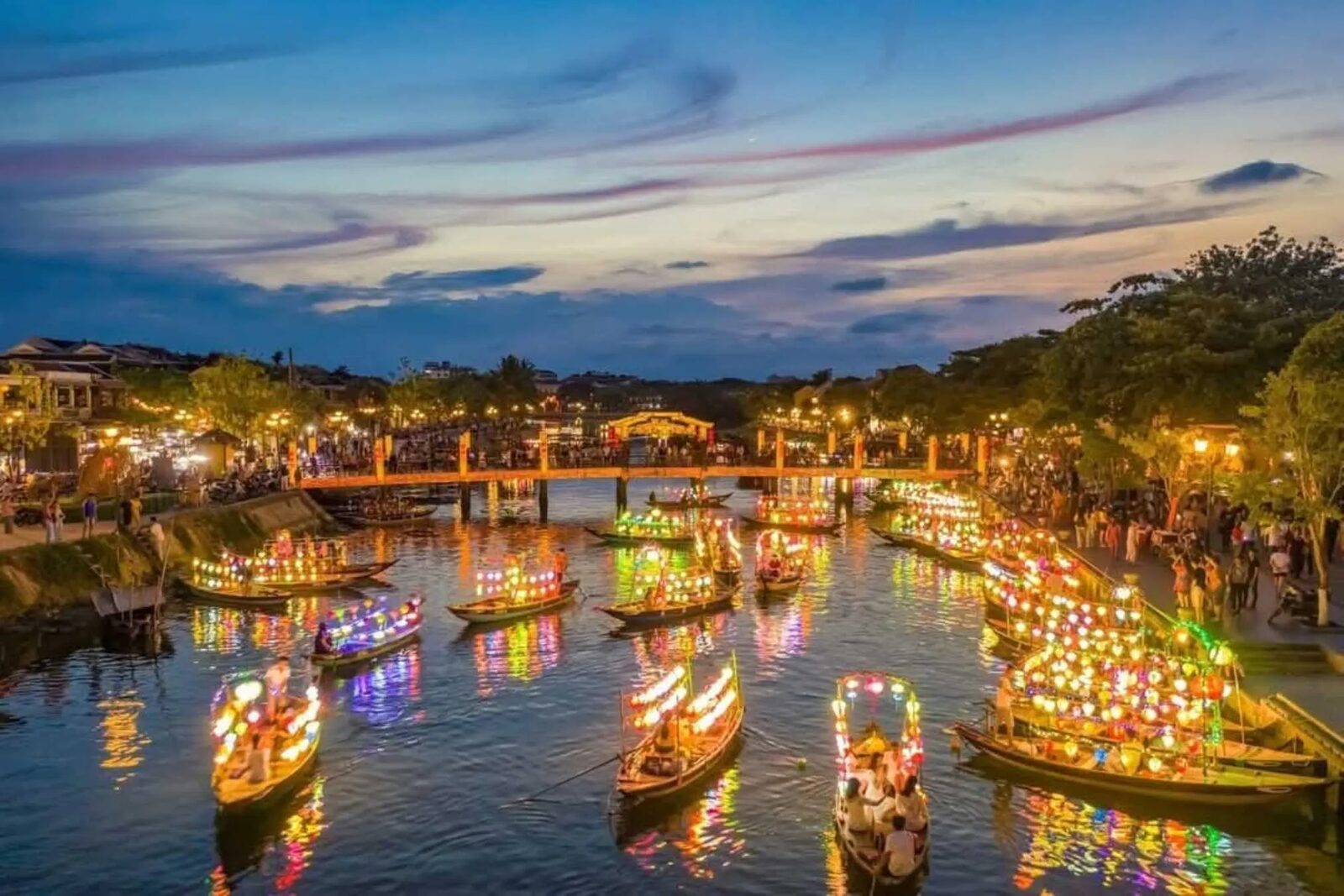
Ancient Town at Night
The riverfront lit entirely by silk lanterns with paper boats drifting downstream.
Japanese Covered Bridge
The sixteenth century symbol of the town, with a small temple built into its span.
Cao Lau and Banh Mi
The local noodle dish made only with water from one Hoi An well, and Vietnam's most famous sandwiches.
Tailoring
Have clothes made to measure in twenty four hours by one of hundreds of workshops.
An Bang Beach
A long stretch of sand with beach bars and calm summer swimming.
My Son Sanctuary
Cham brick temple ruins in a jungle valley an hour southwest, dating from the fourth century.
Off the Beaten Path
Live like a local. Special, lesser known experiences for adventurers who want real local flavor.
Tra Que Vegetable Village
Organic herb gardens where farmers teach hoeing, watering and cooking.
Thanh Ha Pottery Village
Wheel throwing families and a terracotta park on the river's west bank.
Cam Thanh Coconut Forest
Basket boat paddling through water palms once used as wartime cover.
Kim Bong Carpentry Village
Boat builders and furniture carvers on An Hoi island, reached by ferry.
Cham Islands
A marine reserve an hour offshore with snorkelling and simple homestays.
Hai Van Pass by Motorbike
The coastal mountain road north toward Hue, one of the great rides in Asia.
Cost of Living
1-Bedroom Apartment (City Center)
$280/mo
3-Bedroom Apartment (City Center)
$620/mo
Restaurant Meal
$3
Monthly Groceries
$170/mo
Monthly Transportation
$20/mo
Monthly Healthcare
$50/mo
Climate
Tropical monsoon with hot dry summers and a wet typhoon season from September to December
Best Time to Visit
February to May for dry warm weather before the summer heat
Visa & Residency
Written for US citizens
Vietnam offers a 90 day multiple entry e-Visa to most nationalities, applied for online. There is no nomad visa, so long stayers cycle e-Visas or obtain business sponsorship.
These notes assume a US passport. If you hold a different nationality, your visa options and timelines may vary. Always confirm current rules with the official embassy or consulate before you commit.
Safety
Crime is minimal. Flooding of the old town during autumn storms and motorbike accidents are the practical risks.
Healthcare
Local clinics handle routine issues, and the international hospitals of Da Nang are thirty minutes away for anything serious.
Culture & Lifestyle
Culture
Ancestor veneration, lunar festivals and family businesses define local life. Bargaining is normal in markets but not in restaurants.
Lifestyle
Cycling to the beach at dawn, banh mi lunches, afternoons in a riverside cafe, evenings among the lanterns. Weekends mean Da Nang, Hue or the Marble Mountains.
Language
Vietnamese, with good English in tourism
Currency
Vietnamese Dong (VND)
Timezone
ICT (UTC+7)