
Georgetown
 Guyana
Caribbean color on South America's wild coast
Overview
Georgetown is the clear choice for expats and digital nomads in Guyana because it is the country's capital, business center, and main base for international arrivals. The city blends Dutch and British colonial architecture, lively markets, wooden houses, seawall hangouts, and a distinctly Caribbean rhythm despite being on the South American mainland. It is not a polished nomad hub like Medellin or Lisbon, but it offers the best access to services, embassies, restaurants, coworking options, and domestic travel connections in Guyana. For people interested in frontier energy, cultural diversity, and easy access to rainforest and river adventures, Georgetown is the practical place to live.
Why Expats Love It
Expats choose Georgetown because almost all of Guyana's international companies, NGOs, government offices, and better private medical services are concentrated here. Digital nomads who can handle uneven infrastructure like the city for its English-speaking environment, growing cafe scene, and the fact that day-to-day life feels far more local and less saturated with foreigners than most regional capitals.
Must Dos
The essential, top gem experiences for the full tourist experience.
St. George's Cathedral
Visit one of the tallest wooden churches in the world on North Road, a Georgetown landmark with striking Gothic lines and a calm interior.
Stabroek Market
Explore the city's iconic iron clocktower market near the Demerara waterfront, where you can browse produce, spices, household goods, and everyday Guyanese street life.
Seawall Sunset Walk
Head to the Georgetown Seawall in the late afternoon for ocean breezes, people-watching, and local snacks sold along the Atlantic coast road.
National Museum Visit
Stop at the National Museum of Guyana on North Road to get a solid introduction to the country's wildlife, Indigenous heritage, colonial history, and natural resources.
Botanical Gardens Stroll
Spend a morning at the Georgetown Botanical Gardens and nearby Zoo area, a favorite local green space known for giant lilies, birdlife, and relaxed walking paths.
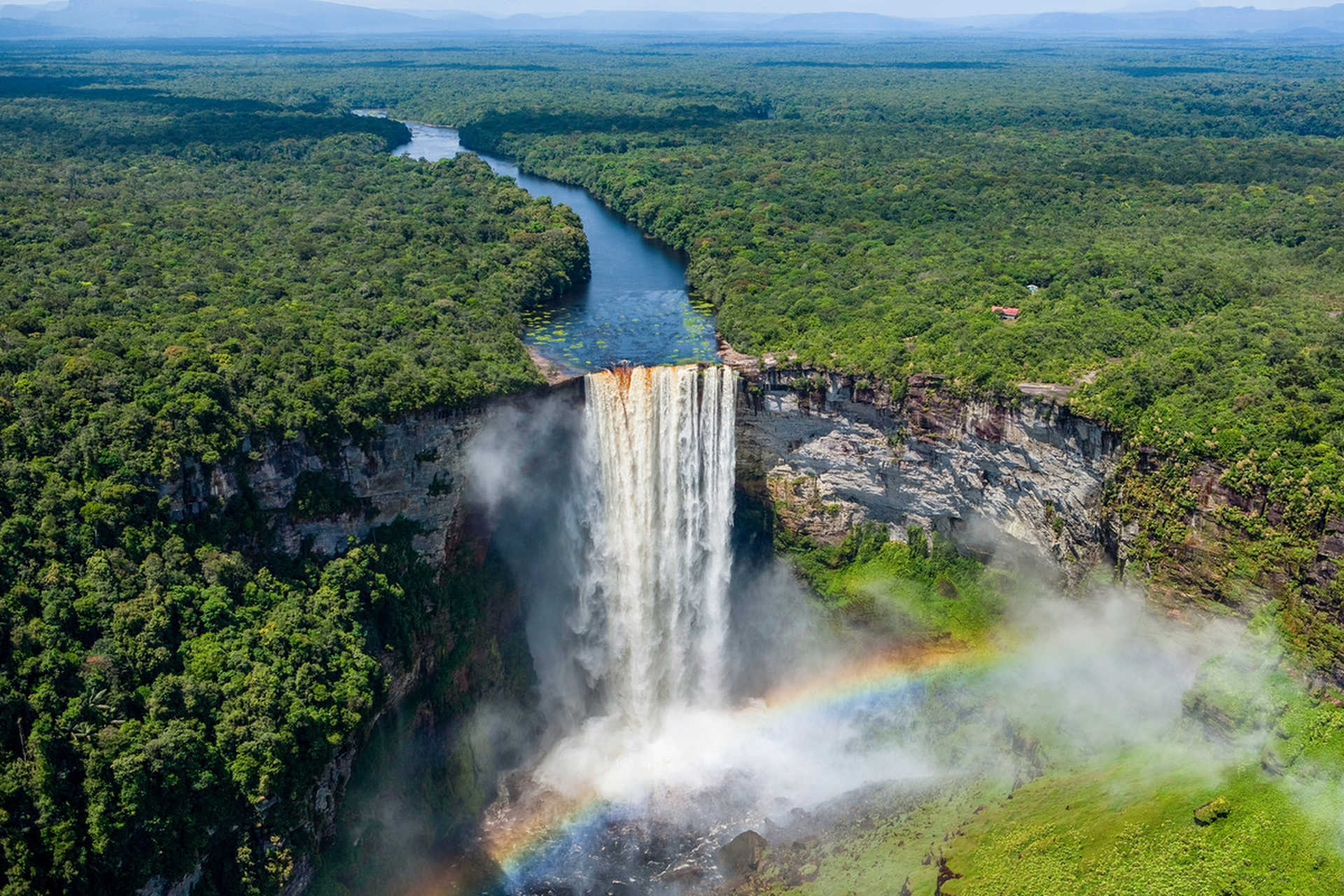
Kaieteur Day Trip
Take a domestic flight from Eugene F. Correia Airport for a bucket-list visit to Kaieteur Falls, one of the world's tallest single-drop waterfalls and Guyana's signature natural wonder.
Off the Beaten Path
Live like a local. Special, lesser known experiences for adventurers who want real local flavor.
Bourda Market Morning
Go early to Bourda Market for fresher produce, local spices, and a less touristy slice of daily life than the better-known Stabroek area.
Main Street Mansions
Wander the quieter stretches off Main Street to spot old wooden colonial homes, embassies, and hidden architectural details many visitors miss.
Castro's Back Street Bar
Have a casual drink and people-watch in a low-key local rum shop or bar off the main avenues in Kitty, where Georgetown's everyday nightlife feels more authentic.
Kitty Seawall Snacks
Skip the busiest seawall spots and try the Kitty section for local vendors selling egg balls, plantain chips, and grilled corn with fewer visitors around.
Promenade Gardens Pause
Take a short break in Promenade Gardens near central Georgetown, a compact historic park that locals use for a quiet sit away from traffic.
Ariapita Avenue Ferry Views
Head toward the Demerara Harbour area and nearby waterfront roads for working-river views, cargo activity, and a more industrial side of the city that most travelers never explore.
Cost of Living
1-Bedroom Apartment (City Center)
$850/mo
3-Bedroom Apartment (City Center)
$1800/mo
Restaurant Meal
$18
Monthly Groceries
$320/mo
Monthly Transportation
$35/mo
Monthly Healthcare
$180/mo
Climate
Georgetown has a tropical climate that is hot, humid, and rainy year-round, with temperatures commonly around 75 to 88 F. The city typically sees wetter periods around May to August and again from November to January, though short downpours can happen in any month.
Best Time to Visit
Late February to April, and September to October
Visa & Residency
Written for US citizens
US passport holders generally do not need a visa in advance for short tourist visits to Guyana, and entry is commonly granted on arrival for a limited stay. For longer stays, extensions can be requested through local immigration authorities in Georgetown. Rules can change, so travelers should confirm current entry length, onward travel expectations, and passport validity requirements before flying.
These notes assume a US passport. If you hold a different nationality, your visa options and timelines may vary. Always confirm current rules with the official embassy or consulate before you commit.
Safety
Georgetown has a real problem with petty theft, armed robbery, and occasional violent crime, especially after dark and in less busy areas. Use trusted taxis, avoid walking alone at night, keep valuables out of sight, and pay close attention around markets, nightlife areas, and ATM locations.
Healthcare
Georgetown has the country's best healthcare options, including private facilities and specialists, but standards are still limited compared with the US. Many expats keep evacuation coverage and may travel to Trinidad, Barbados, or the US for complex treatment.
Culture & Lifestyle
Culture
Georgetown is famously multicultural, with Afro-Guyanese, Indo-Guyanese, Chinese, Portuguese, Indigenous, and mixed communities shaping food, religion, and festivals. People are generally direct, warm, and conversational, and social life often revolves around family, faith communities, cricket, food, and the seawall.
Lifestyle
Life in Georgetown is more about practicality and community than sleek urban convenience. Expect traffic, humidity, occasional flooding, and inconsistent infrastructure, balanced by easy English communication, strong local character, and quick access to nature trips that are among the best in South America.
Language
English, with widespread Guyanese Creole and some Hindi, Urdu, and Indigenous languages in the wider country
Currency
Guyanese dollar (GYD)
Timezone
GYT (UTC-4)