
Florence
 Italy
Italy
Renaissance art capital
Overview
Florence, the capital of Tuscany, draws expats with its Renaissance history, vibrant cultural scene, stunning architecture, world-renowned cuisine, and beautiful countryside. It offers high quality of life immersed in art and culture.
Why Expats Love It
Unparalleled Renaissance art and history, vibrant cultural events, excellent Tuscan cuisine, walkable historic center, and proximity to beautiful countryside.
Must Dos
The essential, top gem experiences for the full tourist experience.
Duomo Climb
Book a timed slot to climb Brunelleschi’s dome at Santa Maria del Fiore, then linger in Piazza del Duomo to see the Baptistery’s bronze doors and Giotto’s Campanile. It is the defining Florence view and the city’s most iconic architectural experience.
Uffizi Masterpieces
Reserve the Uffizi Gallery in advance and go early or late to enjoy Botticelli’s Birth of Venus, Leonardo, Michelangelo, and Caravaggio with lighter crowds. Afterward, step outside to the Arno-facing corridor and walk toward Piazza della Signoria.
Ponte Vecchio Sunset
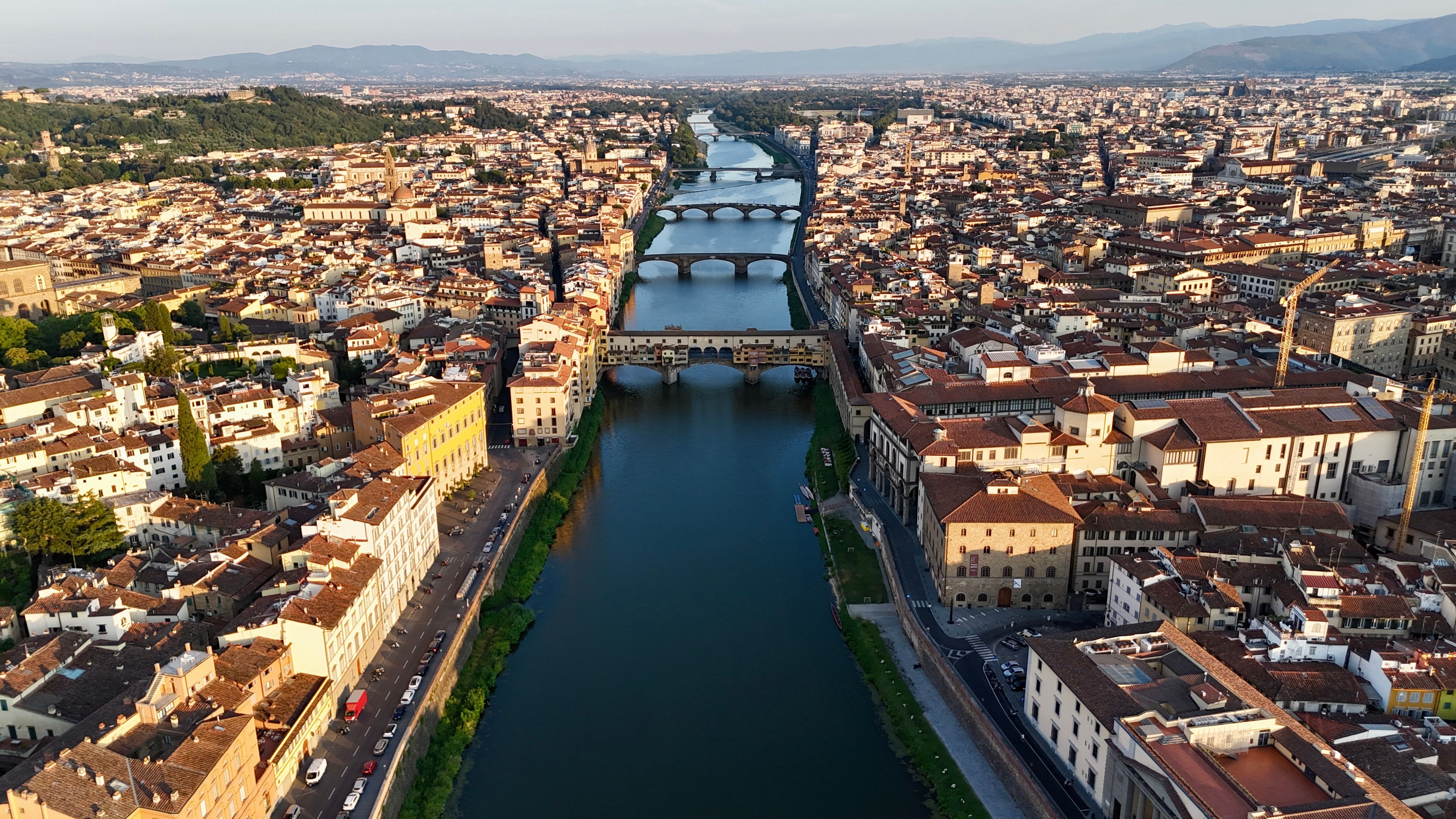
Cross the Ponte Vecchio in the golden hour when the jewelry shops glow and the Arno reflects the facades of Oltrarno. For the best photos, stand on Ponte Santa Trinita and look back at the bridge.
David at Accademia
See Michelangelo’s David at the Galleria dell’Accademia, where the unfinished Prisoners make the approach even more dramatic. A skip-the-line ticket is worth it, especially in high season.
Piazza Signoria Stroll
Wander Piazza della Signoria to take in Palazzo Vecchio, the Loggia dei Lanzi, and the open-air sculpture lineup that feels like a civic stage set. Climb Torre di Arnolfo if you want a less crowded historic view over the center.
Oltrarno Evening Walk
Cross the Arno into Oltrarno for a classic Florentine evening of artisan streets, aperitivo, and a climb to Piazzale Michelangelo or San Miniato al Monte. The sunset panorama over the terracotta rooftops is a first-timer essential.
Off the Beaten Path
Live like a local. Special, lesser known experiences for adventurers who want real local flavor.
Sant Ambrogio Morning
Skip the more polished central food halls and head to Mercato di Sant’Ambrogio, east of Santa Croce, for produce stalls, tripe sandwiches, and lunch counters used by locals. The surrounding streets have a lived-in, less staged feel than the historic core.
Santo Spirito Nights
Spend an evening in Piazza Santo Spirito, where students, creatives, and neighborhood regulars spill out onto the square around the basilica. Come for aperitivo, then duck into side streets in Oltrarno for small wine bars and unfussy trattorie.
Rose Garden Pause
Walk below Piazzale Michelangelo to the Giardino delle Rose, a quiet hillside garden with city views and far fewer people than the main overlook. It is especially lovely in spring, but peaceful year-round for a slow break.
San Niccolo Ramble
Explore San Niccolo, the small riverside quarter just east of Oltrarno, where artisan studios, wine bars, and old stone streets feel distinctly local. If Torre di San Niccolo is open seasonally, climb it for a rare perspective over Florence.
Le Cure Market Stop
On a weekday morning, browse the open-air market in Piazza delle Cure, a neighborhood scene where Florentines shop for clothes, produce, and household basics. It is a useful glimpse of daily life outside the postcard center.
Fiesole Half-Day
Hop on the number 7 bus up to Fiesole for a breezy escape with Roman ruins, a compact main square, and sweeping views back over Florence. Have lunch or a coffee there, then return in the late afternoon when the city heat softens.
Cost of Living
1-Bedroom Apartment (City Center)
$800/mo
3-Bedroom Apartment (City Center)
$1500/mo
Restaurant Meal
$20
Monthly Groceries
$250/mo
Monthly Transportation
$39/mo
Monthly Healthcare
$150/mo
Climate
Mediterranean climate with hot dry summers and mild wet winters.
Best Time to Visit
April to May and September to October
Visa & Residency
Written for US citizens
Italy offers digital nomad visa for highly skilled non-EU remote workers. Requires minimum annual income of €28,000 and valid health insurance.
These notes assume a US passport. If you hold a different nationality, your visa options and timelines may vary. Always confirm current rules with the official embassy or consulate before you commit.
Safety
Generally safe with low crime rate. Main concern is pickpocketing in crowded tourist areas. Be vigilant at Duomo and train station.
Healthcare
High standard public (SSN) and private healthcare. Public system can have wait times. Private healthcare offers faster access to English-speaking doctors.
Culture & Lifestyle
Culture
Relaxed lifestyle centered around art, food, and socializing. Strong emphasis on "la dolce vita" with popular aperitivo culture.
Lifestyle
Art-focused lifestyle with world-class museums, excellent food and wine, and strong emphasis on enjoying life. Active expat community.
Language
Italian
Currency
Euro (EUR)
Timezone
CET (UTC+1)