
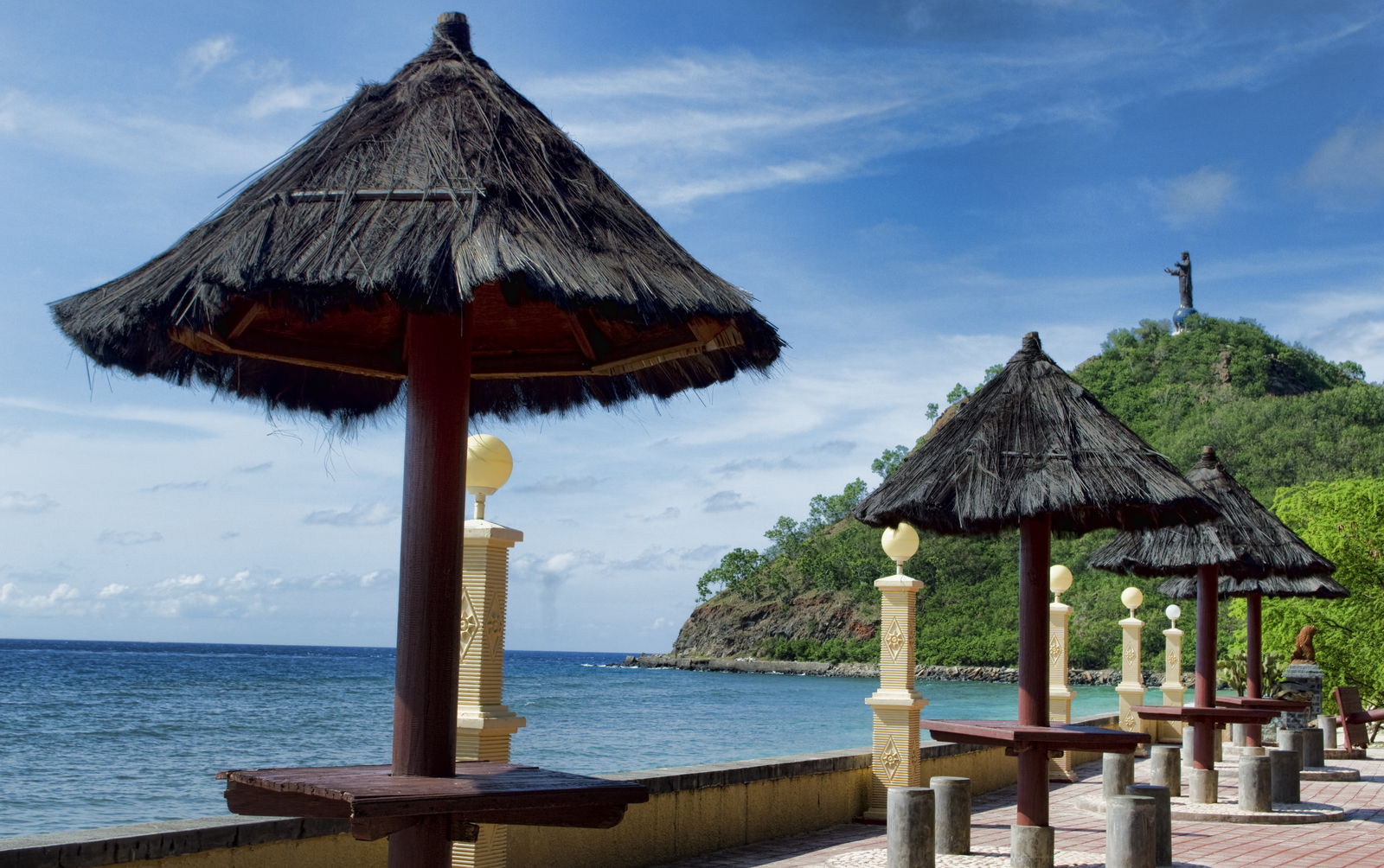
Dili
 Timor-Leste
Seaside capital at the edge of adventure
Overview
Dili is the clear choice for expats and digital nomads in Timor-Leste because it is the country’s capital, main business center, and only city with a meaningful international community. Set along the north coast with mountain backdrops and long waterfront views, it feels small, relaxed, and far less hectic than most Southeast Asian capitals. Daily life revolves around the Avenida de Portugal shoreline, government offices, embassies, cafes, dive shops, and neighborhood markets. Infrastructure is still developing, but for people who value simplicity, ocean access, and a frontier atmosphere, Dili has real appeal.
Why Expats Love It
Expats choose Dili because it concentrates nearly all of Timor-Leste’s practical services, including better housing, international schools, NGOs, embassies, private clinics, and the best internet options in the country. Digital nomads who come tend to be remote workers, divers, consultants, and development professionals who like a quiet base with easy beach access, a tight-knit foreign community, and weekend trips to Atauro Island or the hills south of town.
Must Dos
The essential, top gem experiences for the full tourist experience.
Cristo Rei Hike
Climb the stairway to the Cristo Rei of Dili statue for sweeping views over the bay and the beaches on the eastern headland. Go early for cooler temperatures and the best light.
Atauro Island Daytrip
Take the boat from Dili to Atauro Island for world-class snorkeling and diving in exceptionally clear water. Beloi and nearby reefs are the usual starting points.
Tais Market Visit
Browse the Tais Market in Dili for handwoven Timorese textiles, baskets, and crafts made in different districts. It is one of the best places to see living cultural traditions in everyday commerce.
Resistance Museum
Visit the Timorese Resistance Archive and Museum to understand the country’s independence struggle through photographs, documents, and personal stories. It gives essential context for modern Timor-Leste.
Areia Branca Sunset
Spend late afternoon at Areia Branca beach east of central Dili, where locals and expats gather for food, drinks, and sea views. The waterfront atmosphere is especially lively on weekends.
Santa Cruz Cemetery
Walk through Santa Cruz Cemetery, a peaceful but deeply significant site in Timor-Leste’s modern history. It is closely tied to the 1991 Santa Cruz massacre and remains an important place of remembrance.
Off the Beaten Path
Live like a local. Special, lesser known experiences for adventurers who want real local flavor.
Lecidere Waterfront
Join locals on the Lecidere seafront in the early evening for grilled corn, snacks, and a casual paseo along the bay. It is one of the easiest ways to slip into Dili’s everyday rhythm.
Bidau Food Stalls
Explore the modest warungs and roadside grills in Bidau for simple Timorese and Indonesian meals. Ask for ikan bakar or local-style soups rather than sticking only to expat restaurants.
Comoro Market Mornings
Visit the busy Comoro market area in the morning to see how much of the city shops for produce, fish, and household basics. It is hectic, practical, and far more local than the polished NGO circuit.
Cape Fatucama Road
Continue past the main Cristo Rei area along the quieter coastal road toward Cape Fatucama viewpoints. The sea breeze and fewer crowds make it a favorite for relaxed drives and photo stops.
Audian Backstreets
Wander the side streets of Audian to spot neighborhood kiosks, small bakeries, and local cafes away from the waterfront. This area gives a more lived-in feel of central Dili.
Becora Hill Views
Head toward the higher parts of Becora for broad views back across Dili and the coast, especially near sunset. It is a good way to see how quickly the city gives way to hills and scattered communities.
Cost of Living
1-Bedroom Apartment (City Center)
$900/mo
3-Bedroom Apartment (City Center)
$1800/mo
Restaurant Meal
$15
Monthly Groceries
$300/mo
Monthly Transportation
$40/mo
Monthly Healthcare
$180/mo
Climate
Dili has a tropical savanna climate with a long dry season and a wetter monsoon period. Expect year-round heat, strong sun, and humid conditions, with the most comfortable months usually falling in the dry season.
Best Time to Visit
May to October
Visa & Residency
Written for US citizens
US passport holders can generally obtain a tourist visa on arrival for entry into Timor-Leste, though travelers should confirm the latest rules before departure because requirements can change. For longer stays, extensions may be possible through immigration, and work or residency arrangements usually require local sponsorship, an employer, or another formal basis for stay. Keep printed documents, proof of onward travel, and accommodation details handy.
These notes assume a US passport. If you hold a different nationality, your visa options and timelines may vary. Always confirm current rules with the official embassy or consulate before you commit.
Safety
Dili is usually manageable for expats, but petty theft, bag snatching, and occasional gang-related unrest can occur, especially at night or in less busy areas. Use common-sense precautions, avoid isolated streets after dark, and follow local advice during periods of political tension or demonstrations.
Healthcare
Dili has a small number of private clinics and limited hospital care, but serious cases often require medical evacuation to Darwin, Bali, or Singapore. Expats should carry strong insurance that covers evacuation and keep a buffer for out-of-pocket treatment.
Culture & Lifestyle
Culture
Timorese culture is warm, community-oriented, and shaped by Austronesian traditions, Portuguese colonial history, Catholicism, and the long struggle for independence. Modest dress and respectful behavior are appreciated, especially outside expat settings and when visiting churches or rural communities.
Lifestyle
Life in Dili is laid-back, social, and outdoorsy, with many people organizing their week around seaside cafes, diving, beach sunsets, and informal community events. The tradeoff is limited shopping, patchy utilities, and fewer polished conveniences than in larger regional capitals.
Language
Tetum and Portuguese, with Indonesian and English also used in expat, government, and business circles
Currency
United States Dollar (USD)
Timezone
TLT (UTC+9)