
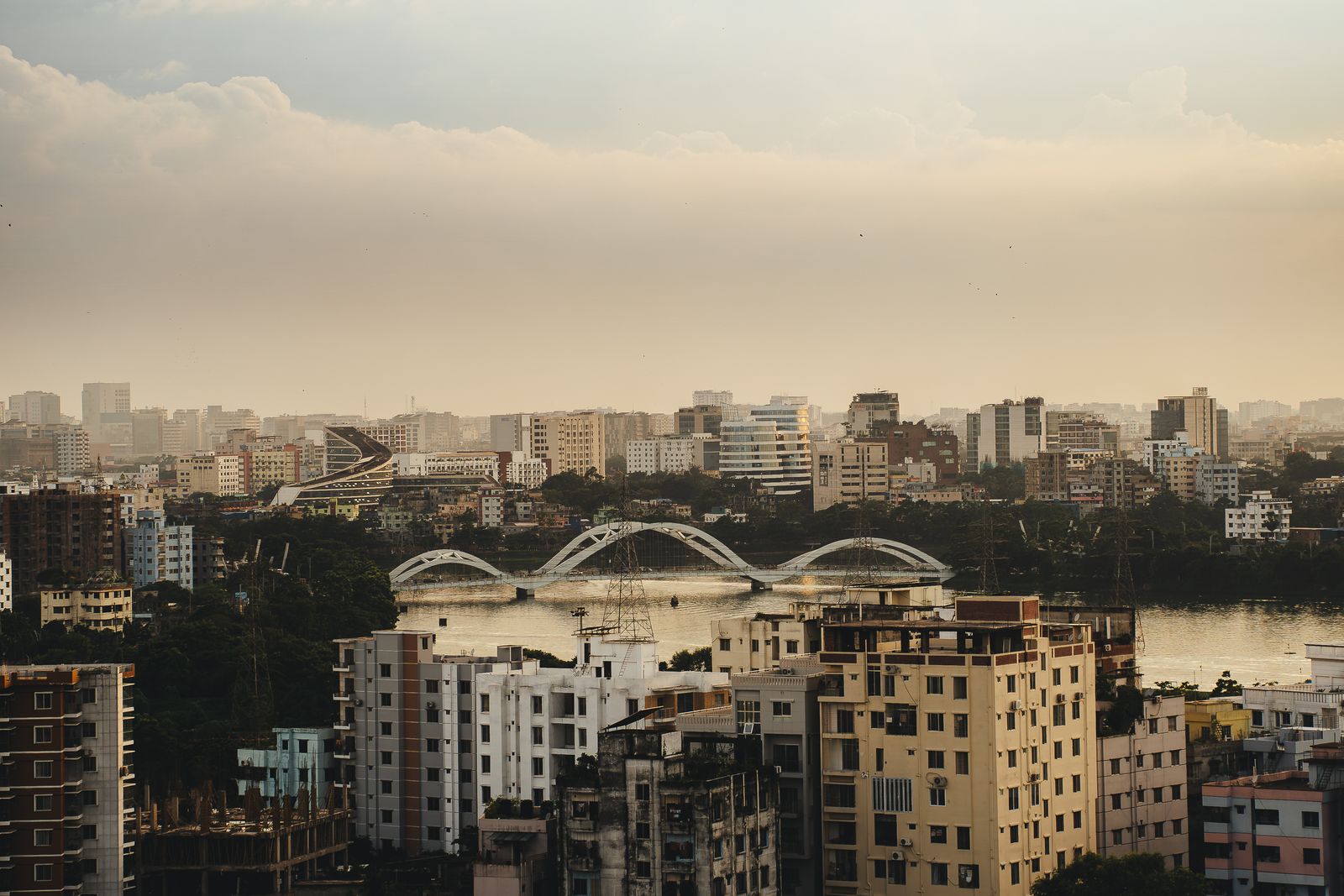
Dhaka
 Bangladesh
A fast, vivid megacity of energy and enterprise
Overview
Dhaka is Bangladesh’s capital and by far the country’s main hub for expats, diplomats, NGOs, and remote professionals working with regional teams. It is a dense, hectic, deeply social city where upscale districts like Gulshan, Banani, and Baridhara sit alongside historic Old Dhaka and vast commercial neighborhoods. Daily life can be intense because of traffic and crowds, but the city rewards patience with excellent food, warm hospitality, and a strong international community. For Americans relocating to Bangladesh, Dhaka is the most practical base for housing, private healthcare, international schools, and business connections.
Why Expats Love It
Expats choose Dhaka because it has the country’s best concentration of secure housing, serviced apartments, coworking-friendly cafes, embassies, and private hospitals, especially in Gulshan, Banani, and Baridhara. Digital nomads usually find it easier to settle here than anywhere else in Bangladesh, with reliable access to business networks, delivery apps, and international groceries. The social scene is smaller than in major Southeast Asian capitals, but it is active and welcoming once you plug into professional and embassy circles.
Must Dos
The essential, top gem experiences for the full tourist experience.
Ahsan Manzil Visit
Tour the restored Pink Palace on the Buriganga riverfront in Old Dhaka, then walk the surrounding lanes to see the city’s trading history up close.
Lalbagh Fort Stroll
Explore this 17th century Mughal fort complex in Lalbagh, including Pari Bibi’s tomb and the small museum inside the grounds.
Rickshaw Through Old Dhaka
Take a short cycle rickshaw ride through Shankhari Bazar and nearby alleys to experience the city’s densest, most historic streets.
Sadarghat Launch Terminal
Go to Sadarghat in the late afternoon to watch ferries, porters, and river traffic on the Buriganga, one of Dhaka’s most unforgettable scenes.
National Parliament View
See Louis Kahn’s Jatiya Sangsad Bhaban from the surrounding lake and green spaces at Sher-e-Bangla Nagar, one of the great modern buildings in Asia.
Hatirjheel at Night
Spend an evening around Hatirjheel for city views, bridges, and a calmer side of Dhaka that locals use for walks, snacks, and boat rides.
Off the Beaten Path
Live like a local. Special, lesser known experiences for adventurers who want real local flavor.
Dhanmondi Lake Morning
Join locals for a quiet early walk around Dhanmondi Lake, then stop at a nearby tea stall or bakery before traffic builds.
Karwan Bazar Dawn
Visit Karwan Bazar very early to see Dhaka’s wholesale produce market in full swing, with fish, vegetables, and fast-moving street commerce.
Meradia Backstreets
Explore Meradia’s residential lanes and small eateries for a more everyday Dhaka feel away from the diplomatic bubble.
Wari Heritage Walk
Wander through Wari to spot older homes, schools, and clubs that show a slower, older urban character than central business districts.
Banani Chairmanbari Eats
Skip the malls and try the smaller food streets around Chairmanbari in Banani, where locals go for kebabs, cha, and casual late dinners.
Gulshan Lake Park
Use the walking paths around Gulshan Lake Park in the early evening, when residents come out for exercise and the neighborhood feels surprisingly relaxed.
Cost of Living
1-Bedroom Apartment (City Center)
$450/mo
3-Bedroom Apartment (City Center)
$1100/mo
Restaurant Meal
$10
Monthly Groceries
$180/mo
Monthly Transportation
$15/mo
Monthly Healthcare
$90/mo
Climate
Dhaka has a tropical monsoon climate, hot and humid for much of the year. Expect a long rainy season from roughly May to October, a pleasant dry season from November to February, and very warm pre-monsoon months in March and April.
Best Time to Visit
November to February
Visa & Residency
Written for US citizens
US passport holders generally need a visa for Bangladesh, obtained in advance from a Bangladeshi embassy or consulate, though policies can change and some travelers may qualify for limited visa on arrival in specific circumstances. For long stays tied to work, NGO roles, or business, the sponsoring employer or organization usually helps arrange the appropriate visa and extensions. Bangladesh does not currently offer a well-established digital nomad visa, so remote workers should verify legal stay options carefully before arrival.
These notes assume a US passport. If you hold a different nationality, your visa options and timelines may vary. Always confirm current rules with the official embassy or consulate before you commit.
Safety
Dhaka is not a war zone, but Americans should take security seriously because of crime risks, political demonstrations, and the possibility of isolated extremist incidents. Traffic is one of the biggest day-to-day hazards, and expats usually avoid protest areas, use trusted drivers or rides, and follow local security guidance in diplomatic neighborhoods.
Healthcare
Dhaka has several respected private hospitals and clinics for routine care, diagnostics, and many specialist needs, especially for expats living in the northern districts. For highly complex treatment, some foreigners still prefer evacuation or treatment in Bangkok, Singapore, or India, so robust insurance is important.
Culture & Lifestyle
Culture
Bangladesh is majority Muslim and socially conservative in many settings, so modest dress and respectful behavior are appreciated, especially outside expat-heavy neighborhoods. People are often exceptionally hospitable, and relationship-building matters in both business and everyday life.
Lifestyle
Life in Dhaka is built around neighborhoods, drivers, cafes, clubs, and home gatherings more than easy citywide wandering, largely because traffic shapes every plan. If you live near your work or social circle in Gulshan, Banani, or Baridhara, daily life becomes much more manageable and enjoyable.
Language
Bangla, with English widely used in business, diplomacy, and upscale districts
Currency
Bangladeshi Taka (BDT)
Timezone
BST (UTC+6)