
Cusco
 Peru
Peru
The ancient Inca capital perched in the Andes, blending indigenous heritage with colonial architecture and access to Machu Picchu.
Overview
Cusco sits at about 3,400 meters in the Peruvian Andes, built on the foundations of the Inca Empire's capital. Massive Inca stone walls line the streets beneath Spanish colonial churches and mansions, creating a layered city unlike anywhere else. The Plaza de Armas is the heart of the old center, surrounded by arcades, restaurants, and the cathedral. San Blas is the artisan quarter on the hill above, and neighborhoods like San Cristobal and Santiago offer local life away from the tourist core. Cusco is the gateway to Machu Picchu, the Sacred Valley, and dozens of Andean trekking routes.
Why Expats Love It
Expats and long-term travelers are drawn by the profound cultural heritage, low cost of living, stunning mountain scenery, trekking access, strong yoga and wellness community, and the spiritual energy of a city that has been continuously inhabited for thousands of years.
Must Dos
The essential, top gem experiences for the full tourist experience.
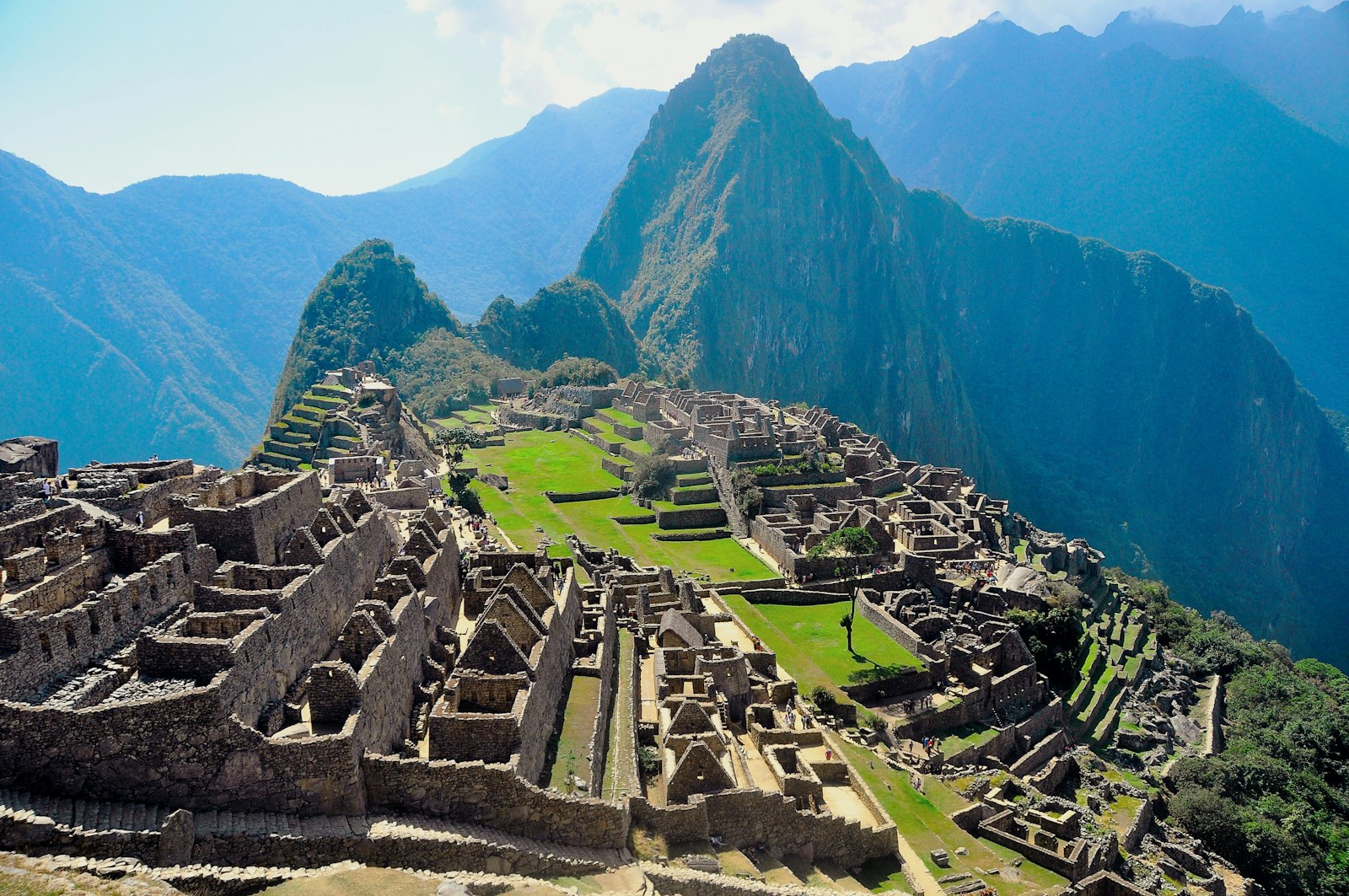
Machu Picchu
Take the train or hike the Inca Trail to Machu Picchu, the 15th-century Inca citadel set on a mountain ridge above the Urubamba River. Book well in advance as visitor numbers are limited.
Plaza de Armas
Spend time on Cusco's grand central plaza, framed by the cathedral, the Compania de Jesus church, and colonial arcades. It is the city's social heart by day and evening.
San Blas Artisan Quarter
Climb the steep cobblestone streets to San Blas for artisan workshops, boutique cafes, small galleries, and views over the terracotta rooftops of the old city.
Sacsayhuaman Fortress
Walk up to the enormous Inca fortress of Sacsayhuaman above the city for massive zigzag stone walls, open grasslands, and panoramic views over Cusco.
San Pedro Market
Explore the bustling San Pedro Market for fresh juices, empanadas, ceviche, roasted chicken, tropical fruits, and the daily commerce of Cusqueno life.
Sacred Valley Day Trip
Drive through the Sacred Valley to Ollantaytambo, Pisac, and Moray for Inca terraces, traditional markets, mountain villages, and the gateway to Machu Picchu by train.
Off the Beaten Path
Live like a local. Special, lesser known experiences for adventurers who want real local flavor.
Rainbow Mountain (Vinicunca)
Hike to Vinicunca, the Rainbow Mountain, about 100 km from Cusco, for striped mineral-colored slopes at over 5,000 meters. Start very early and prepare for altitude.
Humantay Lake
Trek to the turquoise glacial lake of Humantay in the Salkantay range, a stunning high-altitude day trip from Cusco.
Tippon Water Ruins
Visit the lesser-known Inca hydraulic engineering site of Tippon, about 30 km from Cusco, with elaborate water channels, terraces, and far fewer visitors than Sacsayhuaman.
Chinchero Textile Village
Travel to Chinchero in the Sacred Valley for a traditional textile demonstration, a colonial church built on Inca foundations, and mountain views.
Mercado de Wanchaq
Skip the tourist market and visit Mercado de Wanchaq, where locals shop for produce, bread, and prepared food at a fraction of San Pedro prices.
Temple of the Moon Night Walk
Explore the carved caves and rock formations of the Temple of the Moon (Templo de la Luna) near Sacsayhuaman, a lesser-visited Inca ceremonial site with sculptured stone.
Cost of Living
1-Bedroom Apartment (City Center)
$350/mo
3-Bedroom Apartment (City Center)
$700/mo
Restaurant Meal
$5
Monthly Groceries
$160/mo
Monthly Transportation
$25/mo
Monthly Healthcare
$35/mo
Climate
Cusco has a subtropical highland climate with a dry season from May to October and a rainy season from November to April. Daytime temperatures average 18 to 20 C year-round, but nights can drop to 0 to 5 C. The altitude takes a few days to adjust to.
Best Time to Visit
May to September
Visa & Residency
Written for US citizens
Americans can visit Peru for up to 183 days without a visa. Peru offers a Digital Nomad Visa for remote workers with proof of foreign employment and income. Work visas require employer sponsorship.
These notes assume a US passport. If you hold a different nationality, your visa options and timelines may vary. Always confirm current rules with the official embassy or consulate before you commit.
Safety
Cusco's tourist areas are generally safe. Petty theft, altitude sickness, and drink spiking in bars are the main concerns. Use official taxis, avoid walking alone in poorly lit areas at night, and be cautious with drinks in nightlife venues.
Healthcare
Cusco has a regional hospital and several private clinics. Care is adequate for common issues but limited for complex cases. Altitude-related illness is common for newcomers. Evacuation insurance and comprehensive health coverage are strongly recommended.
Culture & Lifestyle
Culture
Cusco culture is a living blend of Inca and Spanish heritage. Quechua is widely spoken alongside Spanish, and indigenous traditions, festivals, and textiles are visible daily. Respect for local customs, especially at sacred sites, is important. Cusquenos are proud of their heritage and welcoming to respectful visitors.
Lifestyle
Life in Cusco is shaped by altitude, history, and the outdoors. Mornings start with coca tea and market visits, work happens in cafes and coworking spaces with mountain views, and weekends bring Sacred Valley excursions, multi-day treks, and village festivals. The yoga, wellness, and plant medicine community is significant. Evenings are cool, with early dinners and a social scene centered on Plaza de Armas and San Blas.
Language
Spanish and Quechua
Currency
Peruvian Sol (PEN)
Timezone
PET (UTC-5)