
Cordoba
 Argentina
Argentina's university city with Jesuit heritage and sierra escapes.
Overview
Cordoba, Argentina's second-largest city, pulses with the energy of six universities and a student population that keeps its nightlife, cafe culture and arts scene running at full tilt. The Manzana Jesuitica, a UNESCO-listed block of 17th-century Jesuit buildings, anchors the historic center, while the Sierras de Cordoba, a chain of granite mountains and river valleys, begin just 30 minutes from downtown. For expats, Cordoba delivers the cosmopolitan comforts of Buenos Aires at significantly lower cost, with empanadas, fernet-and-cola, and asado forming the culinary backbone. A growing tech sector and coworking scene add professional opportunity to the mix.
Why Expats Love It
University-town buzz, incredibly affordable Argentine living, Jesuit heritage, sierra weekend escapes, and world-class nightlife.
Must Dos
The essential, top gem experiences for the full tourist experience.
Manzana Jesuitica
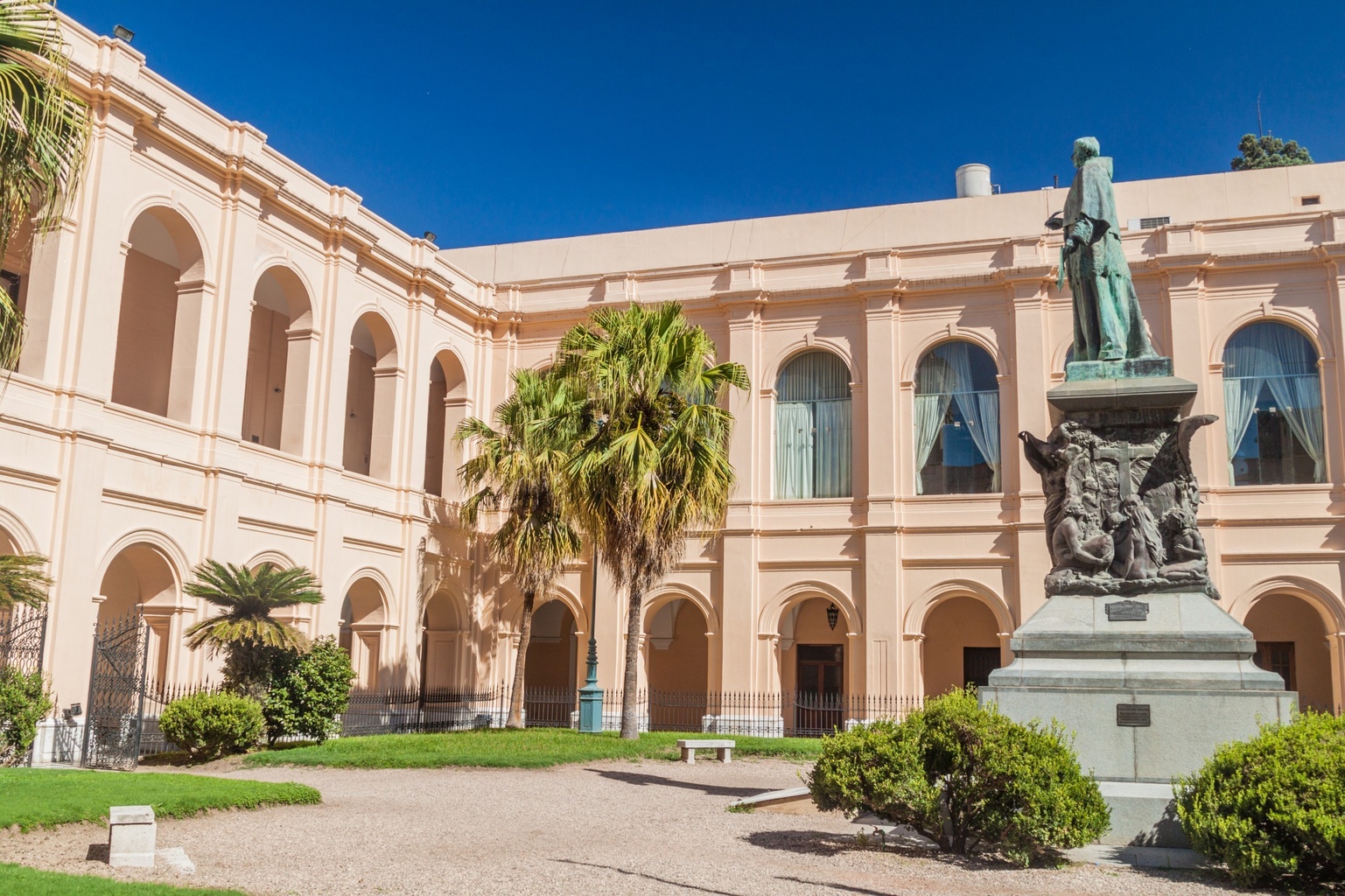
Tour the UNESCO-listed Jesuit block including the church, university and Colegio Nacional.
Sierras de Cordoba
Drive into the granite mountains for river swimming, hiking and village lunch.
Paseo del Buen Pastor
Walk through the converted chapel complex with its fountains, galleries and food court.
La Canada promenade
Stroll the landscaped canal walk through the heart of the city.
San Martin Plaza
People-watch at the main square flanked by the cathedral and cabildo.
Fernet and asado
Join locals for Argentina's national grill ritual paired with Cordoba's signature drink.
Off the Beaten Path
Live like a local. Special, lesser known experiences for adventurers who want real local flavor.
Alta Gracia
Visit Che Guevara's childhood home, now a museum, in the sierra town south of the city.
La Cumbrecita
Hike to the car-free alpine-style village hidden in the Calamuchita Valley.
Capilla del Monte
Explore the mystical hill town famous for UFO sightings and the Cerro Uritorco hike.
Jesuit Estancias
Tour the UNESCO-listed Jesuit ranches scattered through the sierra countryside.
Guemes neighborhood
Bar-hop the bohemian district filled with street art, live music and craft beer.
Los Gigantes
Rock-climb or hike the dramatic granite formations in the western sierras.
Cost of Living
1-Bedroom Apartment (City Center)
$250/mo
3-Bedroom Apartment (City Center)
$450/mo
Restaurant Meal
$5
Monthly Groceries
$120/mo
Monthly Transportation
$20/mo
Monthly Healthcare
$20/mo
Climate
Subtropical highland; warm summers, mild dry winters.
Best Time to Visit
March to May, September to November
Visa & Residency
Written for US citizens
U.S. citizens can typically enter Argentina visa-free for up to 90 days as tourists, with the possibility of extending that stay by an additional 90 days through a formal extension request filed with Argentine immigration authorities, commonly known as a prorroga. Border runs to a neighboring country and re-entry are generally possible but are not officially guaranteed as a long-term strategy. Argentina does not currently offer a dedicated digital nomad visa, though a rentista residency category exists for those who can demonstrate a stable income from foreign sources, and a pensionado route is available for retirees receiving regular pension income. Work-based residency typically requires employer sponsorship or proof of professional activity in Argentina. Permanent residency is generally accessible after two years of temporary residency. Verify current requirements and income thresholds with the Argentine consulate before relocating, as rules can change.
These notes assume a US passport. If you hold a different nationality, your visa options and timelines may vary. Always confirm current rules with the official embassy or consulate before you commit.
Safety
Safe in the center and university areas; use normal city precautions at night.
Healthcare
Hospital Privado and several university hospitals provide quality affordable care.
Culture & Lifestyle
Culture
Jesuit colonial heritage, cuarteto music tradition, passionate football culture, and Argentina's fernet capital.
Lifestyle
Morning mate in the park, Manzana Jesuitica strolls, sierra hikes, and late-night pena folk-music sessions.
Language
Spanish
Currency
ARS
Timezone
UTC-3